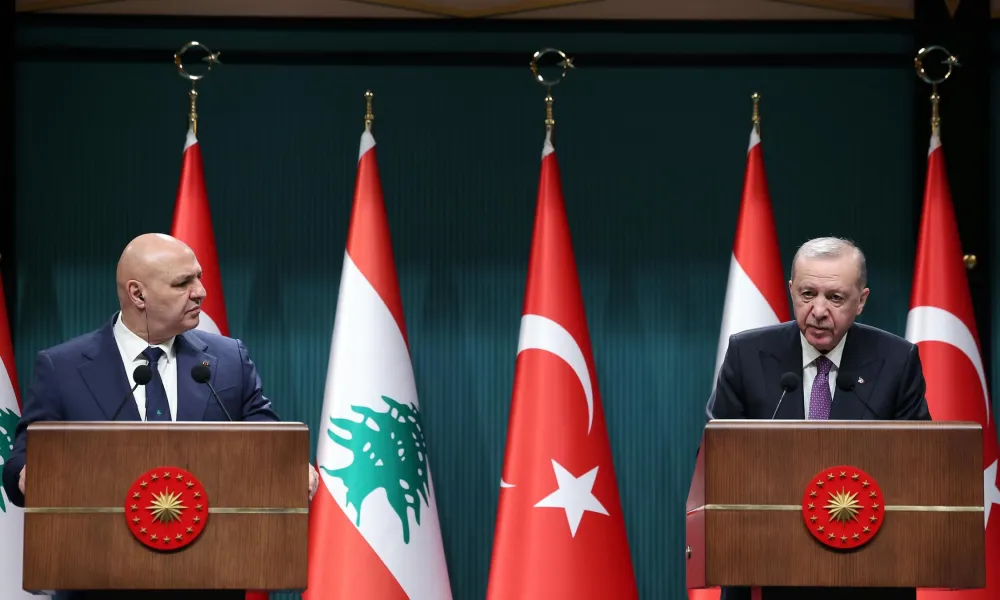

The recent visit by Lebanese President Joseph Aoun to Ankara triggered a series of media articles that rehashed other media articles claiming the Lebanon-Cyprus Exclusive Economic Zone (EEZ) agreement is being undone.
According to Politis sources, this is not the case and there is nothing to indicate that any side has raised the issue of going back on the international agreement between the two countries.
The visit
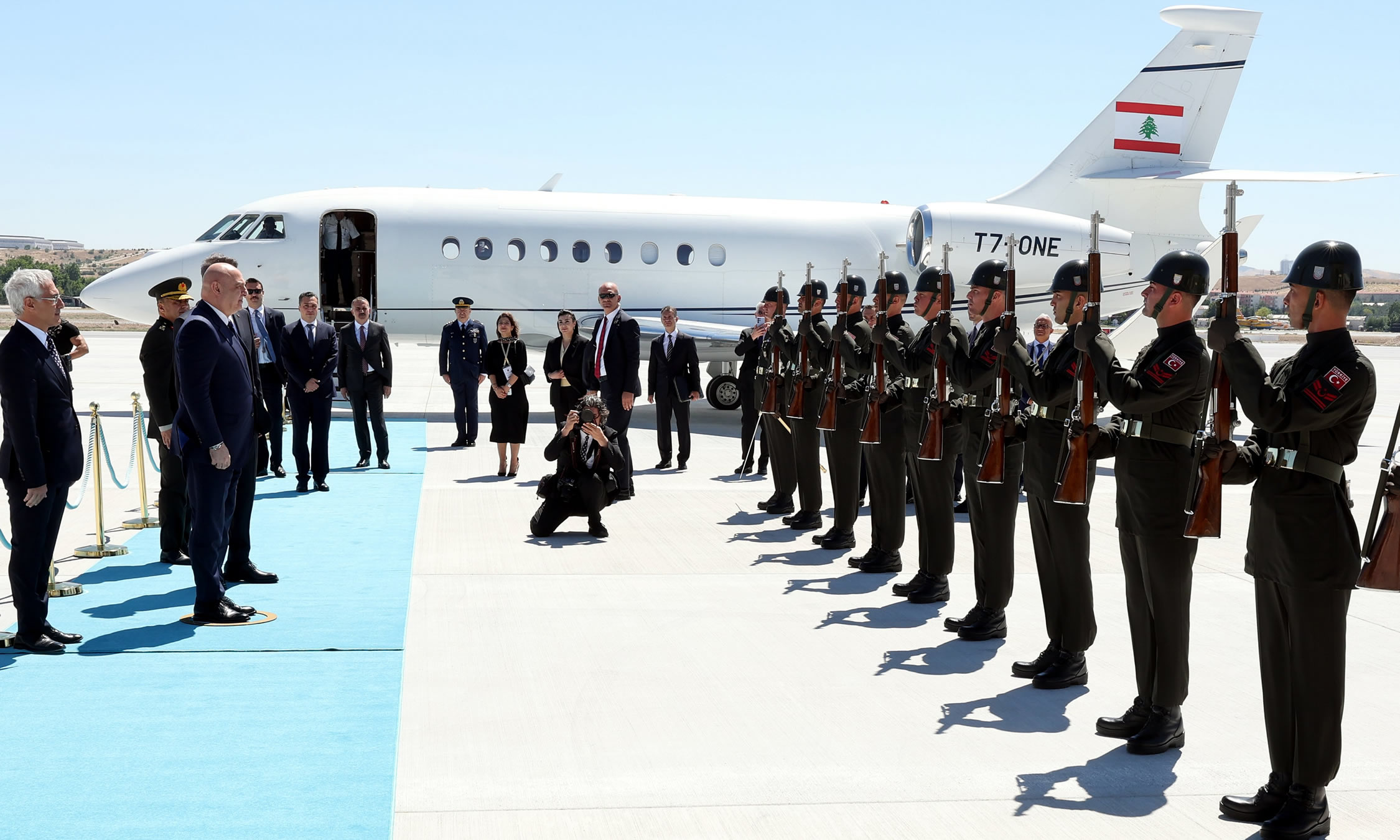
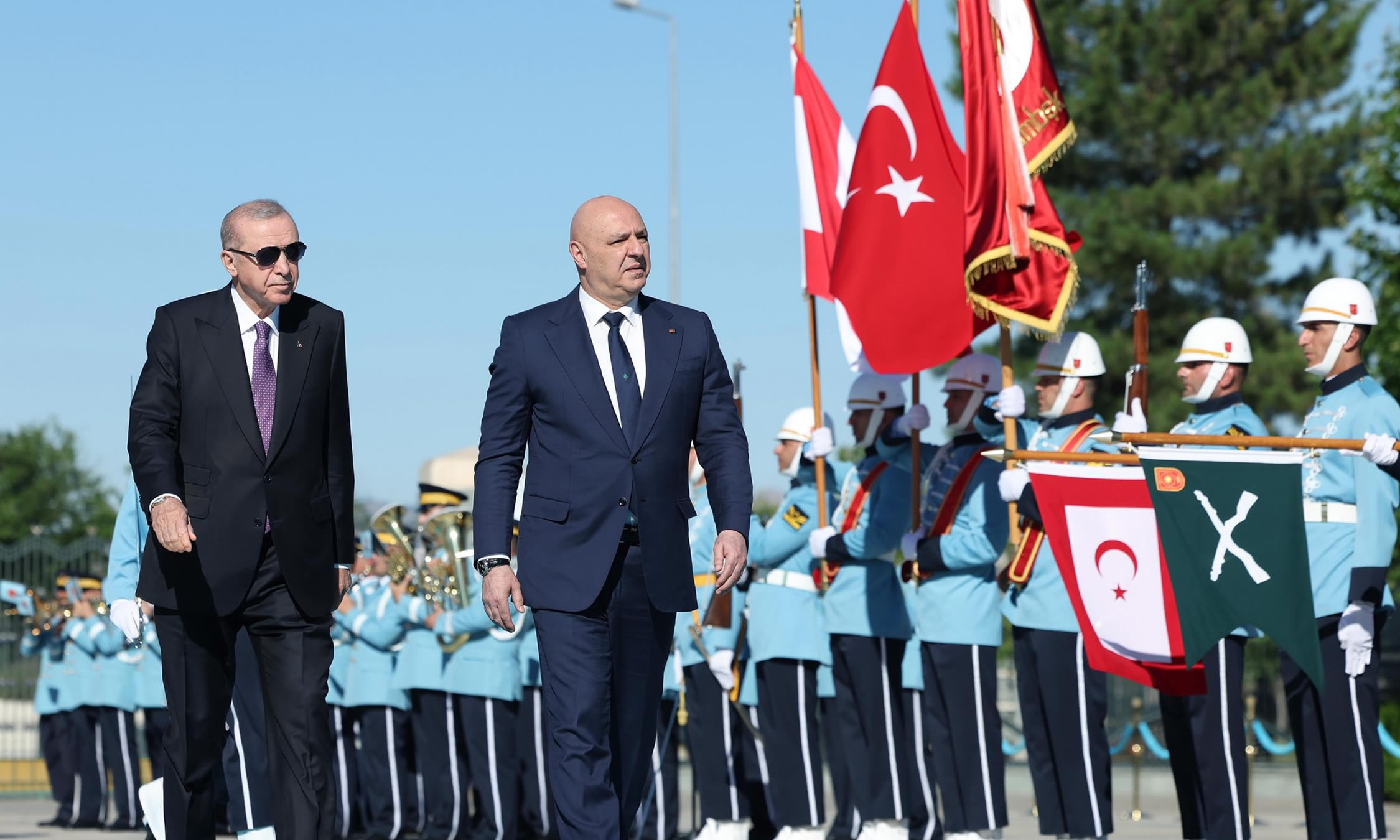
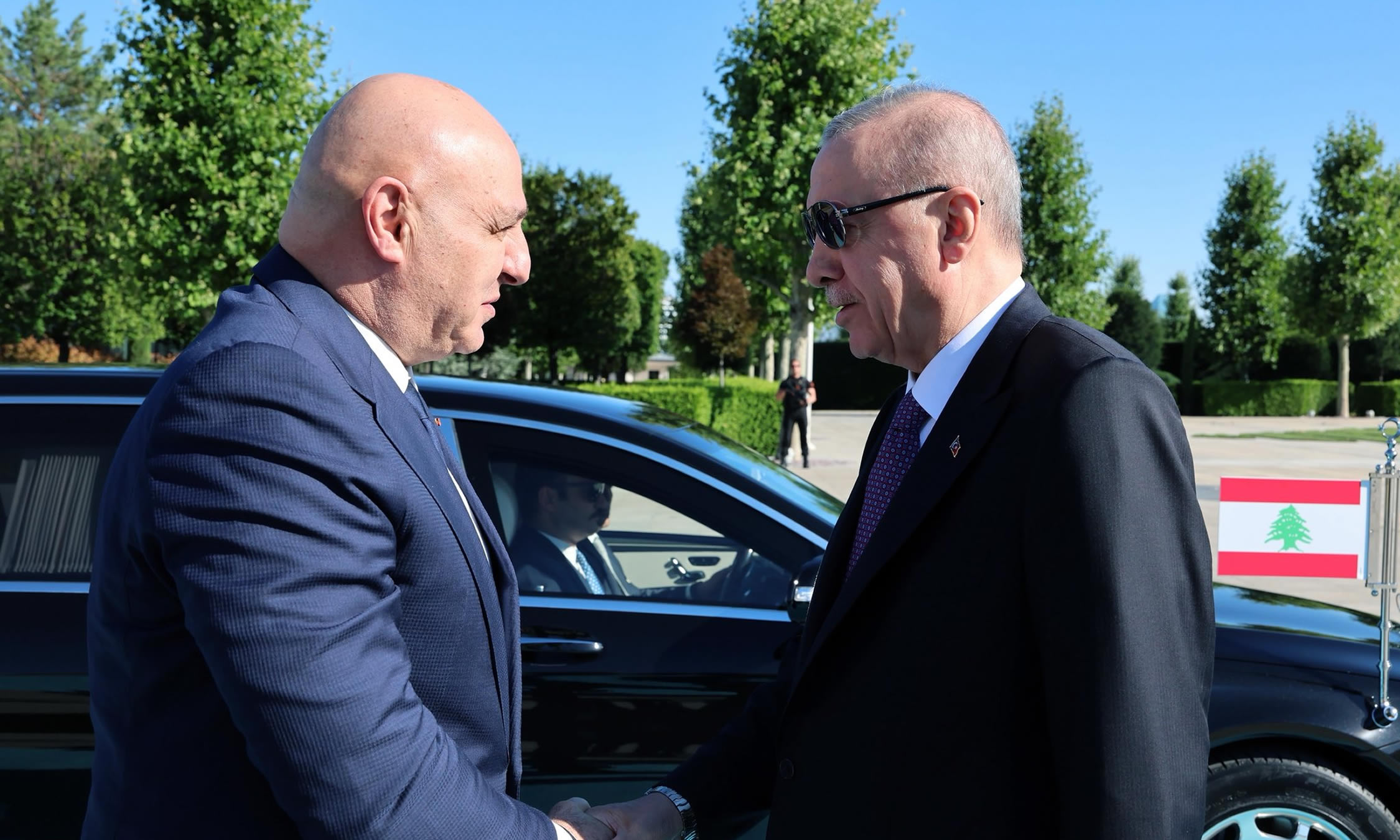
Aoun visited Ankara for a meeting with his Turkish counterpart Recep Tayyip Erdoğan on 30 July, reportedly marking the first visit by a Lebanese head of state to Turkey in 17 years.
According to reports, the two discussed a range of issues including economic and security cooperation, Israel’s current occupation of southern Lebanon, Lebanon’s sovereignty and territorial integrity, the reconstruction of southern Lebanon and Turkish support for the Lebanese armed forces.
Turkey also expressed interest in the electricity, oil, infrastructure and air transport sectors during talks.
In a series of social media posts in Arabic, the Lebanese Presidency said Aoun sought an Israeli withdrawal from all Lebanese territory, the return of displaced people to their villages, reconstruction, economic recovery, and exclusive authority over arms by the state within the framework of one state, one army and one sovereign decision.
He also said peace in the world may only be sustained through “respect for the sovereignty of states, the rights of peoples to determine their own destiny, manage their own affairs, benefit from their resources, and strengthen cooperation among themselves on the basis of shared interests and mutual respect”.
No public mention was made by Aoun or Erdoğan of the Cyprus-Lebanon maritime agreement, signed in November 2025.
The media
Mainstream Turkish-language media outlets largely covered Aoun’s visit without reference to the Cyprus-Lebanon EEZ agreement.
An article by London-based Middle East Eye (MEE) on the day of the visit, which cited Lebanese and Turkish sources, reported that Ankara was surprised by Beirut’s decision to sign the agreement with Cyprus without consulting Turkey first. Ankara sees the Cyprus-Lebanon EEZ agreement within the framework of Cyprus’ close strategic and energy ties with Greece and Israel. As such, it seeks assurances about Lebanon’s geopolitical orientation in the Eastern Mediterranean.
Erdoğan was expected to raise the matter with Aoun and to note that Ankara’s expectation is that Lebanon at least maintains “neutrality in the regional conflict” over energy, transport and political projects, according to the report.
An Iceland-based publication with an office in Beirut also reported on 30 July that Beirut considers the maritime agreement with Cyprus effectively irreversible and has no interest in complicating the demarcation of its maritime borders. The Intel Drop's Dolly Beshaalani wrote that Turkey’s current efforts are more likely “an attempt to influence the political environment in which the wealth of the Eastern Mediterranean will be managed”.
Hezbollah-aligned Lebanese media outlet Al-Akhbar reported four days later, on 3 August, that Cyprus Intelligence Service (KYP) head Tasos Tzionis had recently visited Lebanon to meet with political and security officials, including Hezbollah. The outlet claimed his primary focus was to stress the need not to backtrack on the bilateral EEZ agreement, though he also discussed electricity, telecommunications and internet issues.
At this point, the matter was picked up and rehashed by media in Cyprus, on both sides of the divide, and by a handful of Turkish media, claiming that Turkey seeks to cancel the Cyprus-Lebanon EEZ agreement or is in the process of doing so.
A Cypriot government source confirmed to CNA on 3 August that Tzionis visited Lebanon for a series of meetings in June, without elaborating further on who he met or what he discussed.
No weight to reports
Politis spoke with sources knowledgeable on the matter who played down the notion that the EEZ agreement was either under attack or at risk of unravelling.
Firstly, they noted, there was no information to suggest that any side has raised the issue of backtracking from the Lebanon-Cyprus EEZ agreement.
Secondly, the agreement has been signed, ratified and registered at the UN Secretariat. It is not possible under international law for the agreement to be unilaterally terminated or denounced as some media reports have suggested.