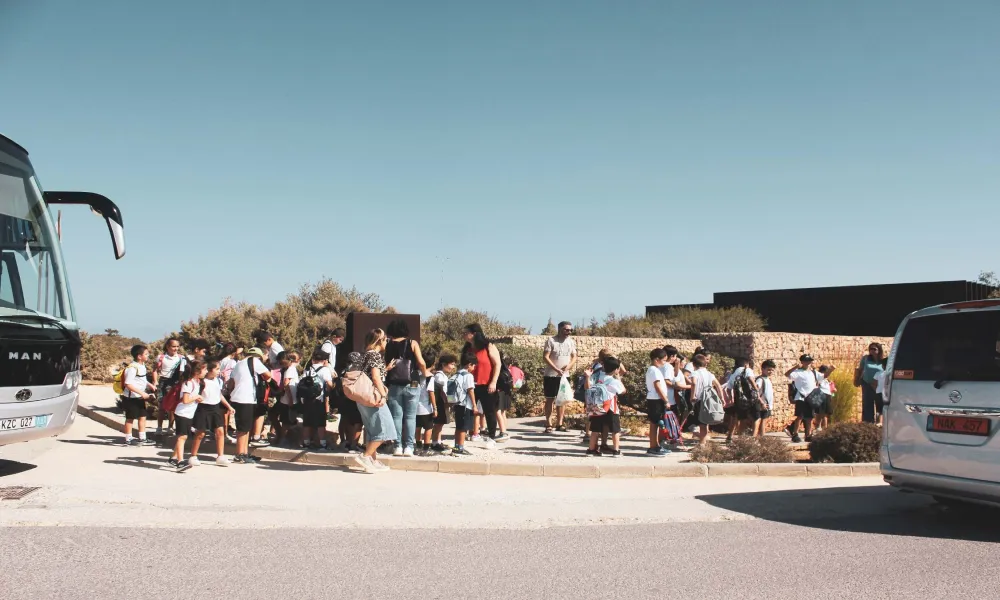



Some optional all-day schools may have to close if teachers cannot be found to run them, the primary school teachers’ union POED has warned, as the programme enters its second week with dozens of posts still empty. “At this moment, the optional all-day school is on life support,” said POED president Myria Vasileiou, adding that permanent teachers are the ones trying to keep it going.
The numbers behind the shortage
According to POED Secretary-General Charis Charalambous, optional all-day schools need approximately 800 teachers this year. Citing figures from the Committee, he said 163 posts were still vacant two days before his remarks, by which point the schools had already been operating for 10 days.
Ms Vasileiou said the gap is not caused by a lack of available posts but by a lack of takers: more than 150 contracts remain unfilled because candidates are not accepting them.
Mr Charalambous said approximately 650 teachers currently working in the programme, in addition to the permanent staff helping out, come from the appointment list. Without that list, he argued, there would be no teaching staff for the all-day schools at all.
Who is keeping the schools open
With contract posts empty, many optional all-day schools are operating with the support of permanent teachers, in some cases on a voluntary basis.
Ms Vasileiou explained that permanent teachers are obliged to support the schools until a contract teacher can be found to take on the required hours. She said this arrangement cannot continue indefinitely, and that teachers have the right to choose not to continue providing this support.
Wider gaps across the system
The shortage is not confined to the afternoon programme. Ms Vasileiou said substitute positions have remained unfilled since September, and that some schools are still waiting for staff for the morning programme.
Why candidates are staying away
In Ms Vasileiou’s view, the prevailing unrest in education is discouraging teachers from working in public schools.
Mr Charalambous directed his criticism at the Education Ministry. He said that while there are staffing needs and experienced personnel available, efforts are being made to close the lists on the basis of legislation which, in his view, had proved to be wrong over a period of 10 years. He also said that instead of resolving building and child-safety issues, efforts are being made to remove teachers.
Where responsibility lies
Ms Vasileiou said POED has been raising the issue for years. She stressed that responsibility for addressing it lies with the state and the executive branch, not teachers.
The dispute over appointments
The staffing pressures come against the backdrop of a broader disagreement over how teachers are appointed. Ms Vasileiou said the Minister of Education, Sport and Youth has put forward a new proposal for the appointments system, which POED will discuss at its next meeting together with the other two educational organisations.
She said a memorandum was submitted the previous day, intended to reach the President of the Republic, following the protest over the new appointments system. POED is waiting for steps to bridge the differences and, according to Ms Vasileiou, is willing to engage in talks within a framework where decisions have not already been taken and proposals can be changed where necessary.
She declined to comment further until the matter has been discussed by POED’s collective bodies.
Source: CNA