Planned talks between the United States and Iran, scheduled to take place on Friday at the Swiss resort of Bürgenstock, have been abruptly cancelled, raising fresh questions about the future of diplomatic engagement between the two countries.
The meeting had been seen as a significant step, as it was expected to mark the first substantial follow‑up to the recent agreement between Washington and Tehran, which had generated hopes of easing tensions and reviving dialogue on a range of critical issues.
Switzerland’s foreign ministry confirmed that the talks would not proceed as planned, offering no detailed explanation for the decision.
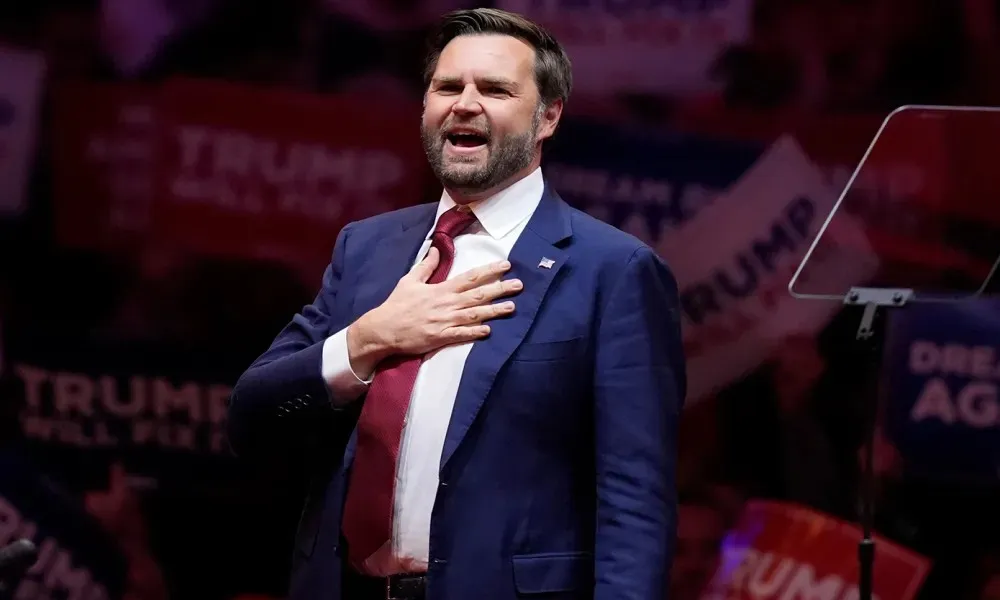
The development came just hours after the White House announced that US Vice President J.D. Vance would no longer travel to Switzerland to participate in the discussions. While the US side did not explicitly link the schedule change to the cancellation, the timing drew considerable attention.
Background to the suspension
According to reports in Iranian media, Tehran was the party that decided to postpone the meeting, citing developments in Lebanon and the continuation of Israeli military operations in the region.
The same sources indicated that Iranian leadership assessed that current regional conditions were not conducive to high‑level talks with the United States, as security dynamics in the Middle East remain highly volatile.
The Bürgenstock talks were expected to focus on implementing the provisions agreed between the two sides in recent weeks, as well as addressing broader issues relating to regional security and Iran’s nuclear programme.
No sign of collapse in talks
Despite the sudden cancellation, neither side has suggested that the process has been abandoned entirely. Diplomatic sources indicate that the development is more likely a postponement rather than a complete breakdown in contacts.
However, the episode underscores the fragility of US–Iran rapprochement efforts, which remain vulnerable to ongoing geopolitical tensions in the Middle East. Each new crisis in the region has the potential to disrupt diplomatic initiatives and derail momentum towards dialogue. Diplomatic observers had viewed the meeting as a possible starting point for a more sustained process of engagement after years of strained relations, sanctions and mutual distrust.