
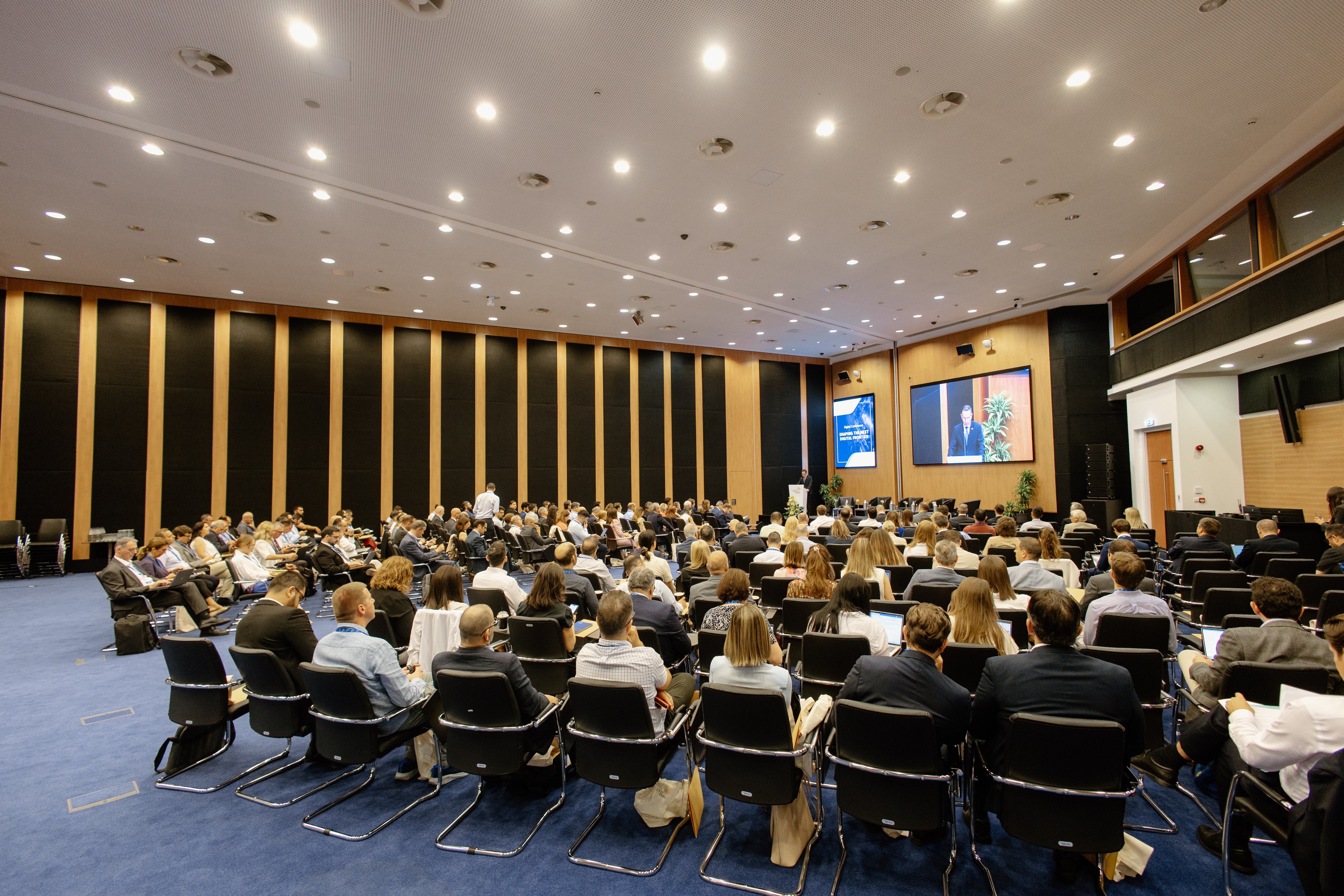
Key policymakers, industry leaders, technology experts and academics gathered in Nicosia this past week to discuss what Europe needs to do to become a key player in shaping the next digital frontier.
Under the Cyprus EU Council Presidency, the two-day conference explored issues fundamental to the future resilience, wellbeing and security of European societies, including:
· The balance between strategic technological autonomy and interdependence;
· the upcoming “scientific and industrial revolution” driven by artificial intelligence (AI);
· the importance of digital trust, connectivity, and cybersecurity;
· regulation, overregulation and the need for simplification; and
· international cooperation.
Speakers from across Europe – including senior European Commission officials, tech industry representatives and academics – shared thoughts and concerns about how Europe could harness the next tech cycle in AI or risk becoming a bit player in a global game dominated by the United States and China.
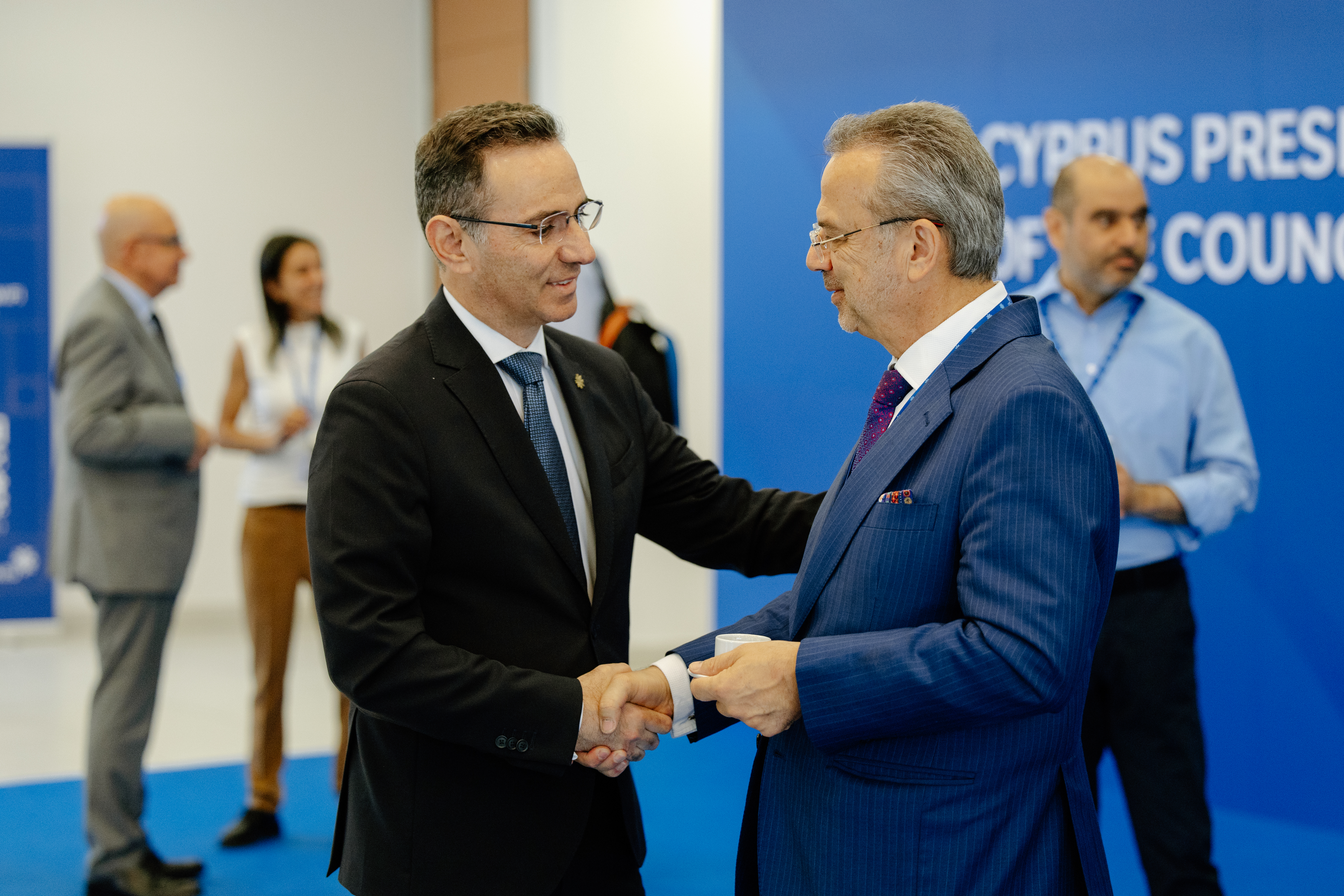
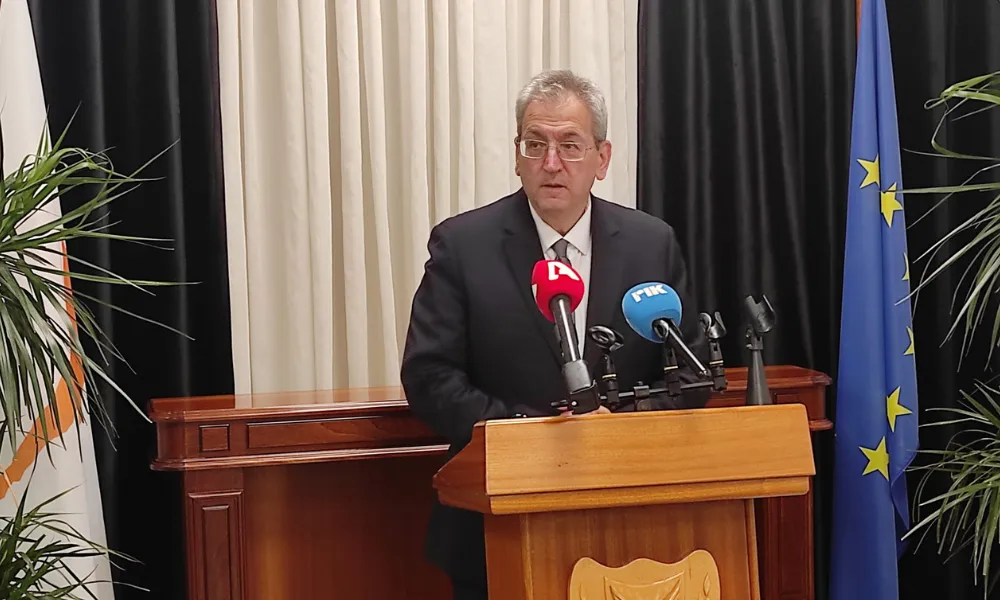
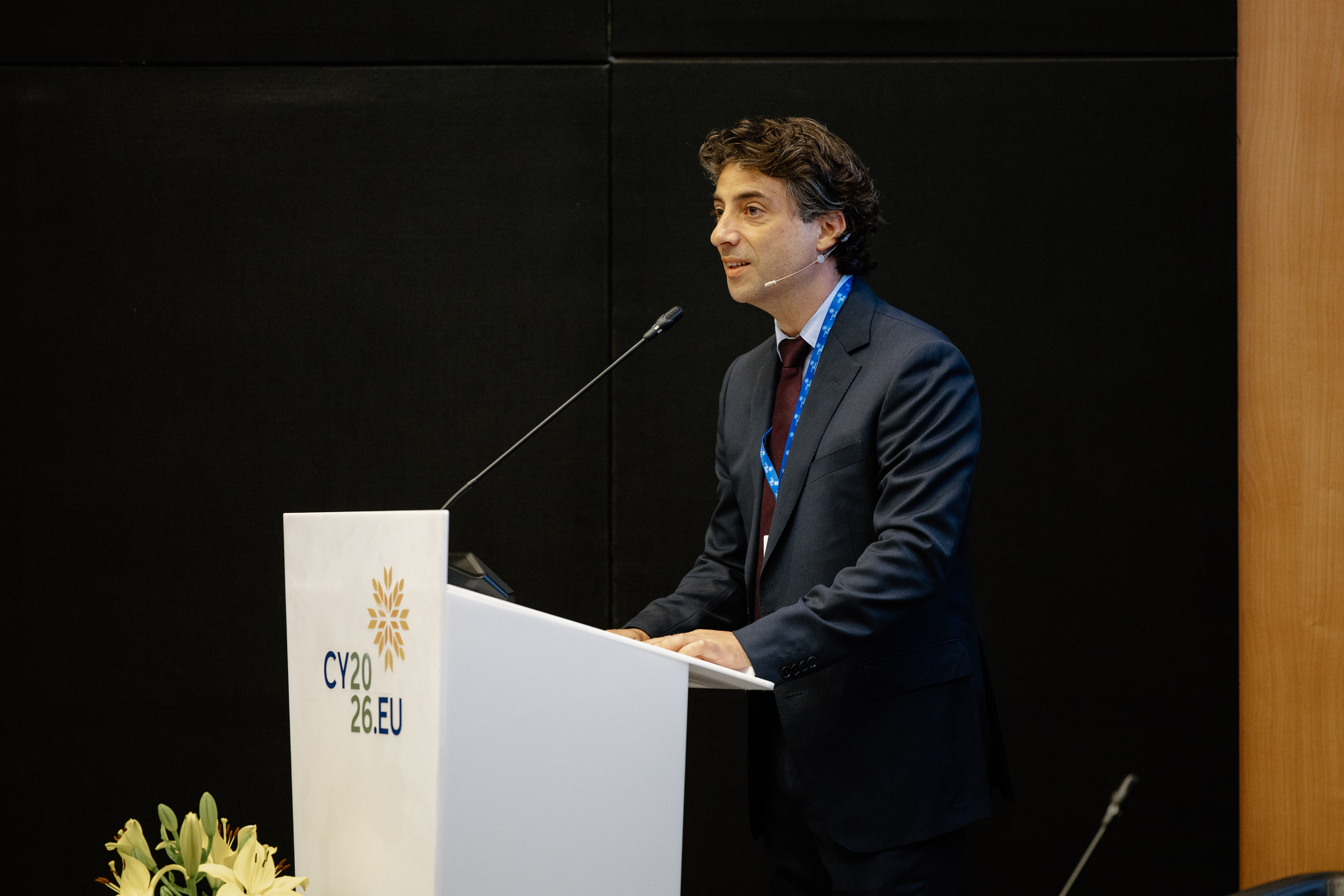
The host, Deputy Minister of Research, Innovation and Digital Policy Nicodemos Damianou launched the conference with a story about the two-child classroom in Kampos village that managed to bring the head of the Austrian Space Forum to their tiny school to talk about space exploration, extending his talk to one hundred students from neighbouring schools.
A spark of curiosity and a refusal to accept geography as a limitation allowed them to tap into scientific networks, transcend ideas from their point of origin and create a ripple effect from two to one hundred. That continuum should be kept in mind when discussing what Europe needs to do to thrive in the new digital reality, argued the deputy minister.
“The global context we meet in is both clear and urgent. Technology has become a defining asset of geopolitical influence, economic resilience and strategic relevance,” he said.
“Europe cannot afford to be merely a regulator of technologies developed elsewhere. We must be a builder, a deployer and a scaler of critical technologies. We must remain open, but not dependent. Leading on trust, while competing on innovation, investment, speed and scale,” he added.
While Europe enjoys world-class scientific excellence, this needs to link to startups and scale-ups. Research needs to be part of a chain that includes innovation and digital deployment, argued Damianou.
Innovators also need to find capital to grow, and access to data, high-powered computing, talent and “a regulatory environment that nurtures them rather than crushing them before they can scale”.
The deputy minister pointed to Cyprus’ own startup activity, noting it is the fastest-growing sector of the Cyprus economy, contributing more than 15% to the national Gross Domestic Product (GDP).
On technological sovereignty, Damianou warned against viewing this as isolation or protectionism. “On the contrary, it means possessing sufficient capabilities to make strategic choices with confidence.”
He called on participants to build a shared understanding of where we stand on the next digital frontier, and where we must go next.
Damianou concluded: “What those two children demonstrated in a small classroom in Kampos is a lesson for Europe itself: that curiosity, collaboration and a refusal to accept limitations can create opportunities far beyond what geography might suggest.”
Autonomy and interdependence
The two-day conference was broad in scope and highly specialised. Behind discussions there seemed to hover a concern on how Europe can stay relevant in the coming AI revolution.
Key factors include influencing global governance, making AI transparent and democratic, but also ensuring access to key infrastructure and, as Damianou put it, transforming “bold ideas into lasting impact”.
The elephant in the room was the state of the transatlantic relationship. The recent downturn in EU-US relations – from trade to geopolitics – has magnified discussions on Europe’s need to become a more “autonomous” player, less dependent on the US or China for critical digital infrastructure.
Can Europe even try to lead or at least compete digitally without owning core tech infrastructure layers?
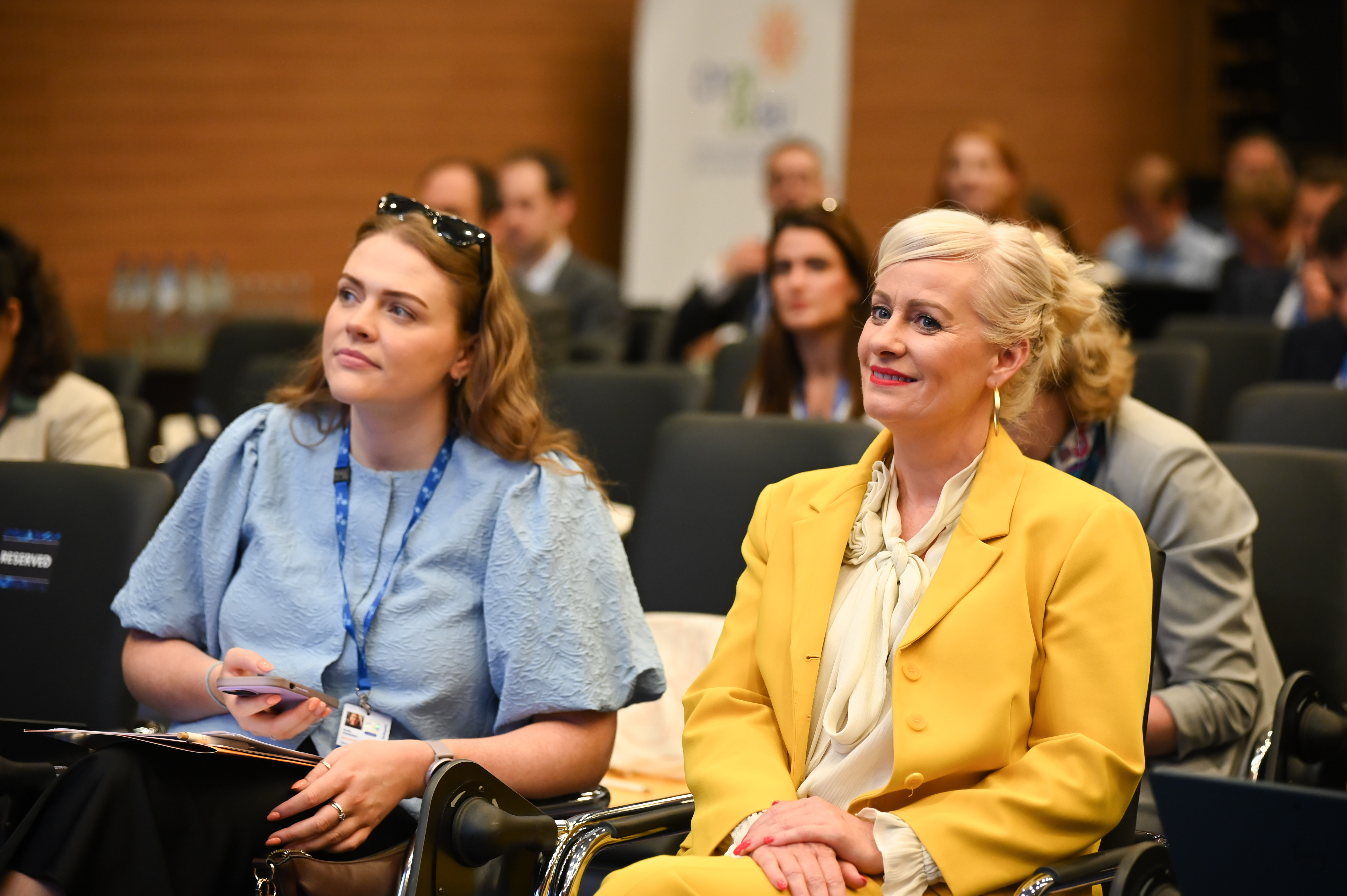
Niamh Smyth, Minister of State for the Republic of Ireland (R), next in line to take over the EU Presidency in July
But to what degree can Europe do this and how much does it want to invest significant time and capital when the AI race is already on steroids? Or would strategic interdependence with trusted partners (countries and companies) create greater opportunities, predictability and security for the future in terms of digital cooperation and advancements?
The need to choose and develop strong relations with “trusted partners” was emphasised at the conference. It was also argued by some that Europe needs to push for reduced external dependencies on chips, cloud computing and AI infrastructure.
The overall message appeared to be, Europe should strive for autonomy but without isolation and with a fair dose of pragmatism.
Talent, capital and the AI scaling problem
Another issue raised was the challenge in seeing European innovation go all the way to adoption and scale.
While Europe is a “powerhouse of ideas”, Damianou noted that only 8% of those ideas remain in Europe. The tendency for going big is to migrate over the ‘pond’ to the US.
Industry figures and academics spoke about the challenges of finding talent and capital in Europe, as well as infrastructure, to help channel great ideas to fruition and scale. An unavoidable comparison with the US was made, where there is greater access to venture capital while the culture of investment is geared towards taking bigger risks for bigger rewards.
As former Deputy Minister of Research, Innovation and Digital Policy Kyriacos Kokkinos put it, Europeans are risk averse. They want to be absolutely sure something will work before investing in it. The US culture, on the other hand, is geared towards an intrinsic belief in success. And if something fails, investors want to know why so they can fix the problem and try again, noted Kokkinos.
Perspective from Amazon
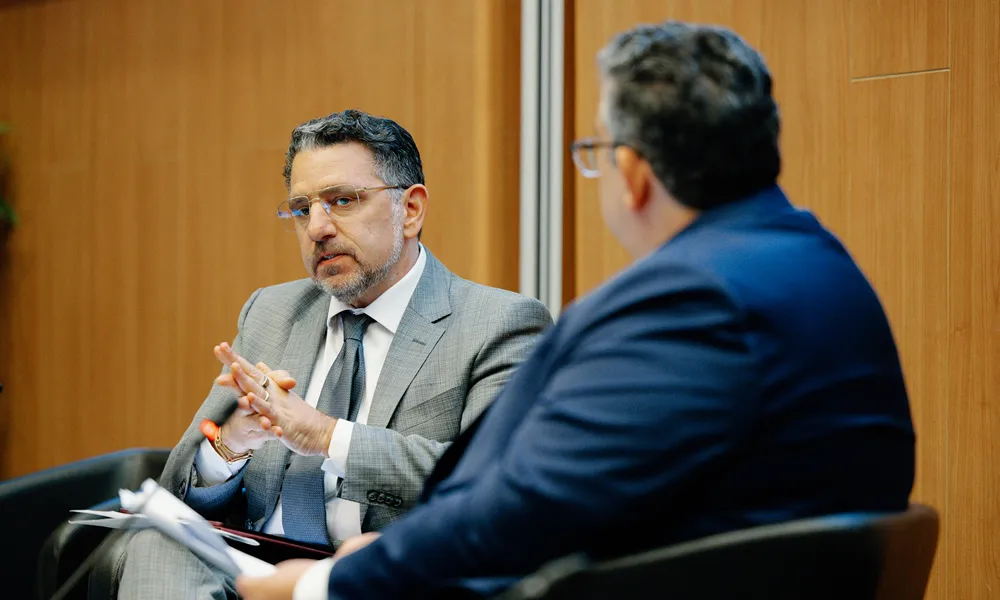
A key speaker at the conference was Panos Panay, the Senior Vice President of Devices, Alexa, and Leo at Amazon. In a fireside chat with Cyprus’ Chief Scientist Demetris Skourides, Panay shared insights on the journey from innovation and research to shipping product to market and making a global impact.
“If you think about building products that make your customers’ lives easier you can make an impact on the planet,” he said.
It’s not enough to ask what customers want, but to anticipate future needs.
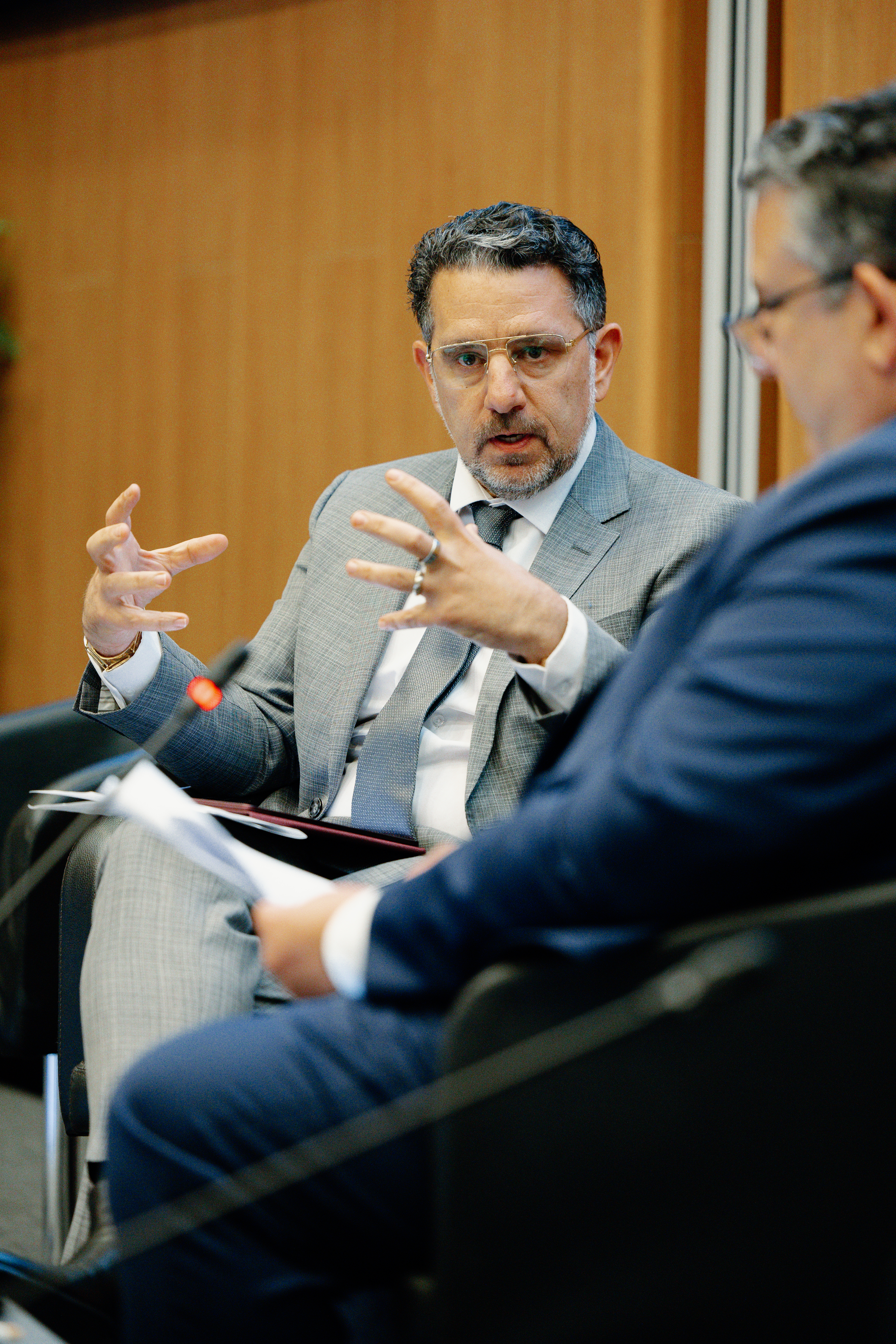
“When you are inventing, the customer does not always see the future with you,” he said.
Panay is currently in the process of launching a 300-plus satellite constellation to provide affordable connectivity as an alternative to terrestrial connectivity.
Regarding the rapid developments in technology, the Amazon VP said we are at the “beginning of a generational change”.
Regulation vs competitiveness
Another issue is the need to ensure regulation does not take away from competitiveness. Concerns were raised among industry representatives about the EU’s regulatory framework being burdensome, as well as fragmentation in the digital market – industry must comply with complex layers of EU-wide rules as well as deal with “27 national rulebooks”.
Some warned, however, that simplification of the rules risks ambiguity or weakened safeguards.
Doubts were also raised as to whether there will be a “Brussels effect” on AI legislation. When the EU adopted its landmark GDPR legislation, it brought the rights of its citizens to the forefront of digital activity, making respect for privacy more of an obligation than a choice for companies operating online. This led the way for countries around the world to use elements of the GDPR legislation as a template for their own national laws. Hence, the “Brussels effect”.
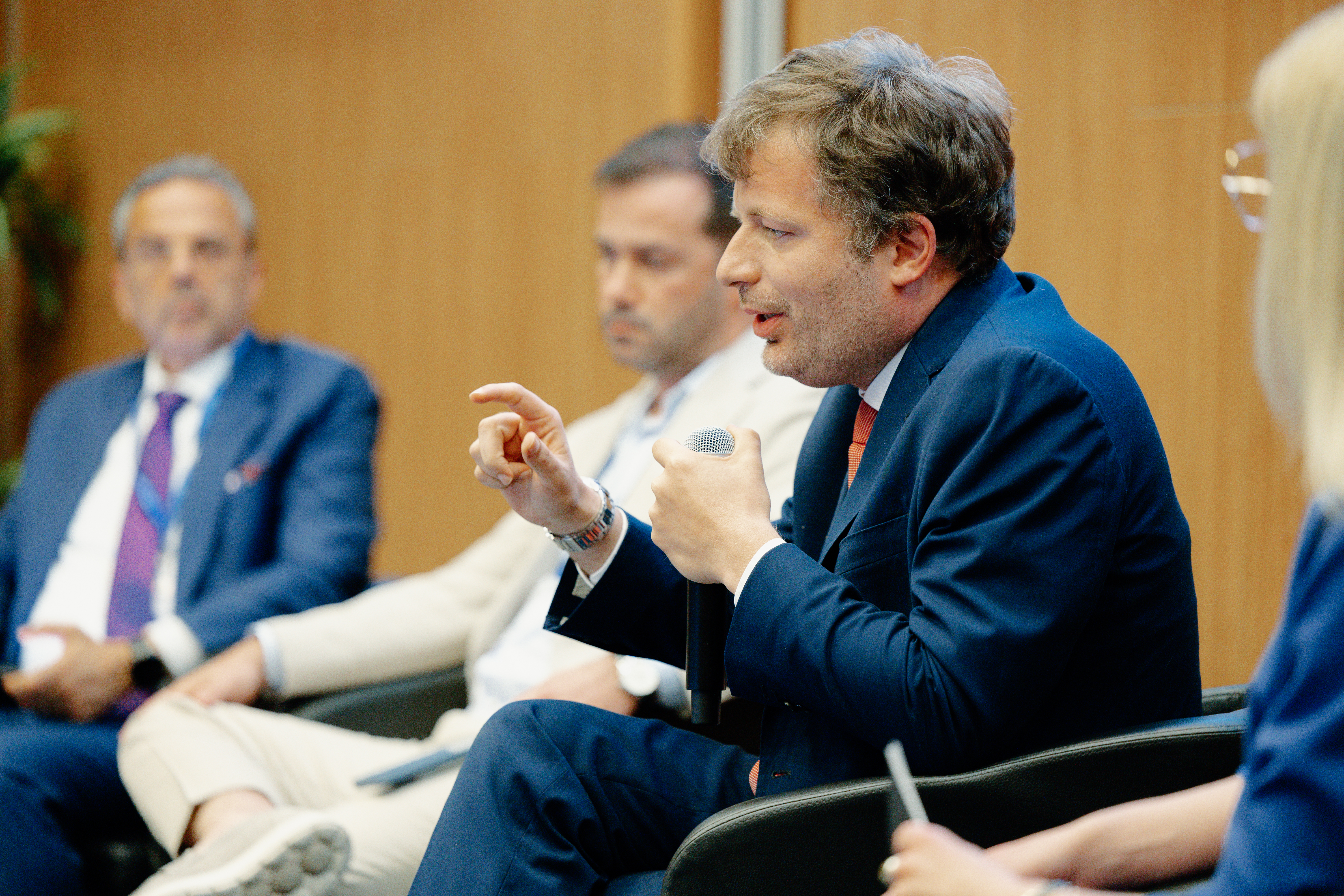
However, some argued that fragmentation and overregulation on AI legislation will reduce investment in innovation, fail to become a global standard, and allow the US and China to continue their leaps forward, leaving the EU behind.
The current effort in Brussels is to work towards a digital ‘omnibus’ that simplifies and streamlines rules, with Europe seeking to make its regulatory model less burdensome while also looking into asymmetric regulation that reduces the burden on different scales of businesses.
Regional cooperation
Deemah AlYahya, a Saudi tech diplomat and founding Secretary-General of the Digital Cooperation Organisation (DCO) highlighted the importance of creating partnerships and collaborations that create impact beyond one’s own borders.
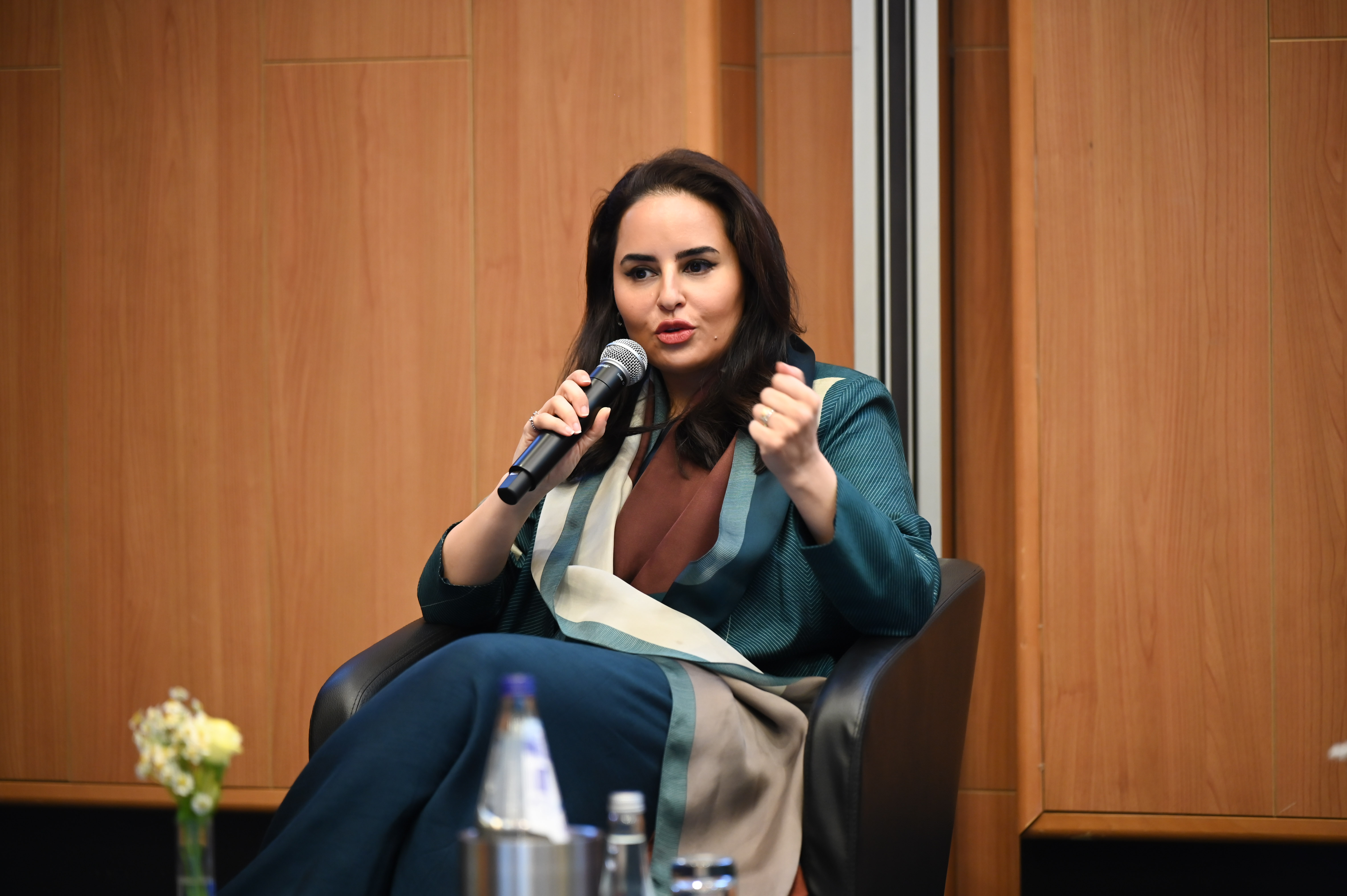
She praised Cyprus’ leadership in this regard, as a founding member and the first EU member state to join the DCO, which seeks to share best practices, technological capabilities, infrastructure and knowledge, rather than see countries develop isolated digital solutions.