Concern has emerged in Israel following statements by US President Donald Trump suggesting that Iran could retain part of its ballistic missile arsenal, despite the signing and implementation of a memorandum of understanding between Washington and Tehran.
Speaking on the sidelines of the G7 summit in France, Trump argued that it would be “unfair” for Iran to be completely banned from possessing ballistic missiles while other countries in the region maintain similar capabilities. He added that missiles are not comparable to nuclear weapons, noting that while they can cause damage, they cannot “blow up the planet."
At the same time, the US President kept the military option open, warning that if talks fail or Iran violates its commitments, the United States could resume military action. According to reports, he said Washington would return “to dropping bombs” if necessary.
For Israel, however, the distinction between nuclear and ballistic threats is far less clear. Iranian missiles have previously struck Israeli territory, causing casualties and significant damage, and the possibility of Tehran rebuilding its capabilities is viewed in Jerusalem as a key weakness of the agreement.
Israeli media reaction
Israeli media have highlighted that, despite the cessation of hostilities, the missile threat remains. Channel 11 featured Trump’s remarks prominently, underlining the suggestion that Iran should retain missiles if others do.
Commentators identify a growing strategic gap between Washington and Jerusalem. Analysts argue that Trump’s push for a deal has advanced negotiations but left Israeli leadership in a difficult position, with concerns that key security objectives have not been achieved.
Reports citing intelligence assessments suggest Iran may already have restored a significant portion of its missile capabilities following the recent conflict, reinforcing fears that the agreement may not fully neutralise the threat.
Publications such as Israel Hayom warn that any US concession on missiles could undermine Israeli military gains and potentially channel new resources to regional allies such as Hezbollah. Others, including Haaretz, describe the agreement as further evidence of an unpredictable US strategic stance.
Political reaction
Opposition figures in Israel have also criticised the outcome. Former officials described the agreement as a failure that falls short of earlier promises of “total victory,” pointing to a widening gap between stated war aims and the final result.
Critics argue that the deal leaves Iran’s broader strategic capabilities largely intact, while raising concerns that key decisions affecting Israeli security are being shaped externally.
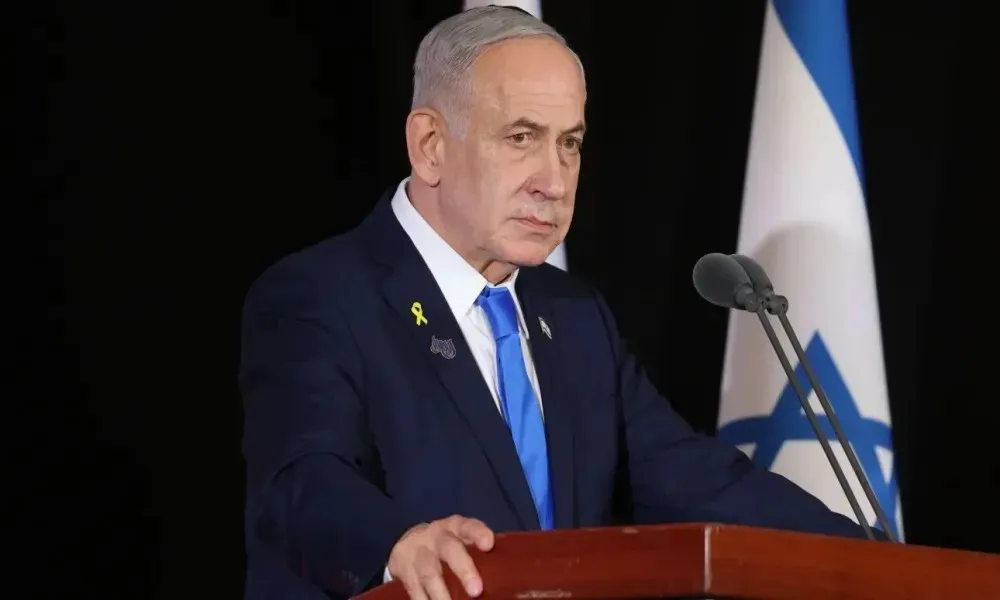
Prime Minister Benjamin Netanyahu has so far avoided direct public confrontation with Trump, but reiterated that Israel is not bound by agreements to which it is not a party and will maintain freedom of action against Iran.
Source: CNA