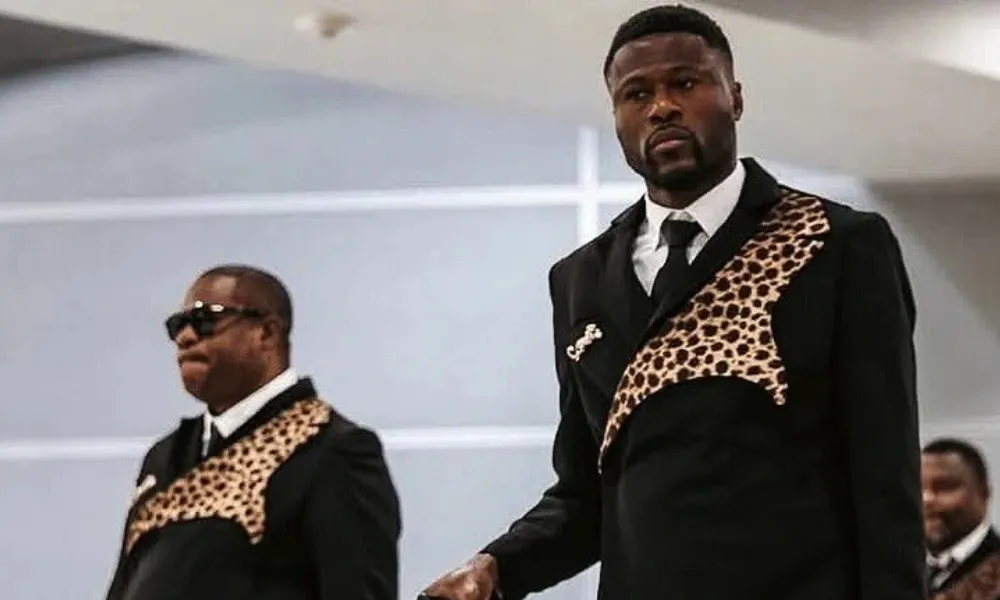

The national team of the Democratic Republic of Congo managed to draw attention even before stepping onto the pitch at the 2026 World Cup. While most delegations arrived in sportswear and sponsor kits, the Congolese players chose to stand out.
The team appeared in elegant black suits decorated with leopard patterns, referencing the national team’s nickname, “Les Léopards”. Their distinctive look quickly went viral on social media, with many users describing them as the best-dressed team of the tournament.
🇨🇩 ¡El Congo ya está en el Mundial! 🌍🏆
— TERADEPORTES (@Teradeportes) June 12, 2026
🔥 Tras 52 años de ausencia, la selección congoleña volvió a una Copa del Mundo y lo hizo con mucho estilo.
pic.twitter.com/PcutLAdN6W
However, the choice was not only aesthetic. For many people in Congo, elegance is an integral part of cultural identity. The players’ appearance brought renewed attention to the famous La Sape culture (Société des Ambianceurs et des Personnes Élégantes), a movement born on both banks of the Congo River that treats fashion as a form of art and social expression.
The so-called “sapeurs” are known for their carefully tailored suits, bold colour combinations and attention to detail. Since the 1960s, La Sape has evolved into a cultural symbol that blends European influences with African elements, promoting dignity and personal style as forms of expression and self-respect.
🇨🇩 | GRUPO K | MUNDIAL 2026: La República Democrática del Congo vuelve a un Mundial 52 años después y lo hacen vestidos como auténticos 'Leopards'. pic.twitter.com/AT5bvUblXd
— Alerta News 24 (@AlertaNews24) June 13, 2026
The connection between the national team and this tradition is far from coincidental. Congo returns to the World Cup for the first time since 1974, when it competed as Zaire, and its participation is seen as an opportunity to showcase not only its footballing identity but also its cultural heritage.