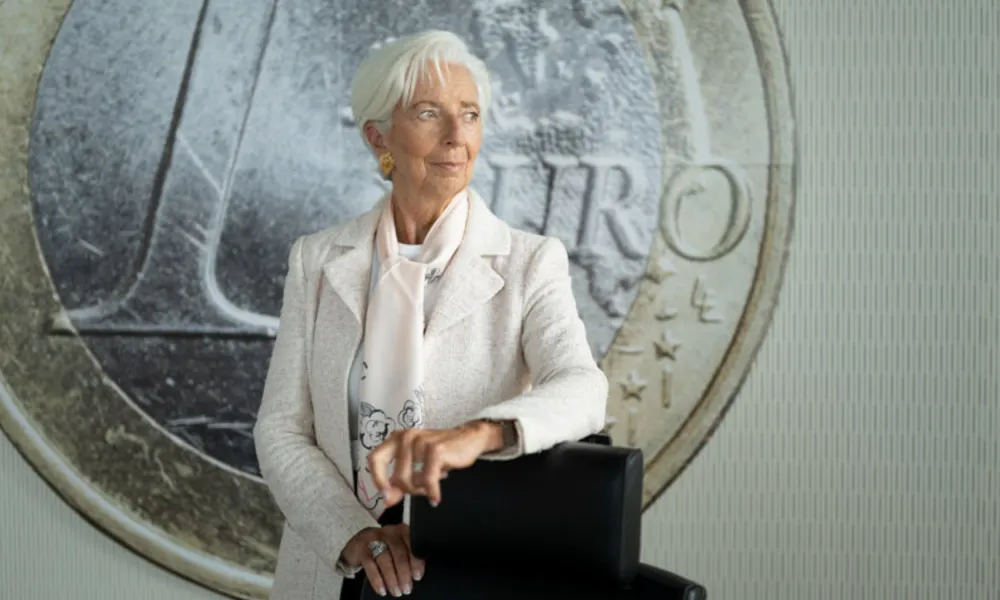

Christine Lagarde has submitted her resignation as President of the European Central Bank (ECB) and is expected to step down on 7 February 2027, according to an announcement by the ECB.
President Lagarde has informed the Governing Council and the President of the European Council António Costa that she will step down from her position on 7 February 2027. Her successor will be appointed by the European Council in due course. Press release https://t.co/krd51z9pZO
— European Central Bank (@ecb) October 29, 2026
Lagarde informed both the ECB's Governing Council and António Costa, President of the European Council, of her decision to leave the post she has held since 2019.
"President Lagarde has informed the Governing Council and the President of the European Council António Costa that she will step down from her position on 7 February 2027," the ECB said.
Costa confirmed that he had been notified of Lagarde's intention to resign and announced that the process of selecting her successor would begin immediately.
According to the European Council president, procedures to appoint a new ECB president will start without delay.
End of a pivotal period
Lagarde's departure marks the end of a significant chapter for the ECB, during which the eurozone navigated a series of major economic challenges.
Her presidency encompassed:
- The economic fallout from the Covid-19 pandemic.
- The energy and economic shocks that followed Russia's invasion of Ukraine.
- Surging inflation across the euro area.
- One of the most aggressive monetary tightening cycles in the ECB's history.
Throughout her tenure, the ECB was required to balance support for economic growth with efforts to bring inflation back under control, making monetary policy a central focus of European economic debate.
Succession process begins
Attention will now turn to the selection of Lagarde's successor, a process led by EU member states and the European institutions.
The new ECB president will inherit responsibility for monetary policy across the 20-member eurozone at a time when policymakers continue to monitor inflation, growth prospects and broader geopolitical uncertainties.