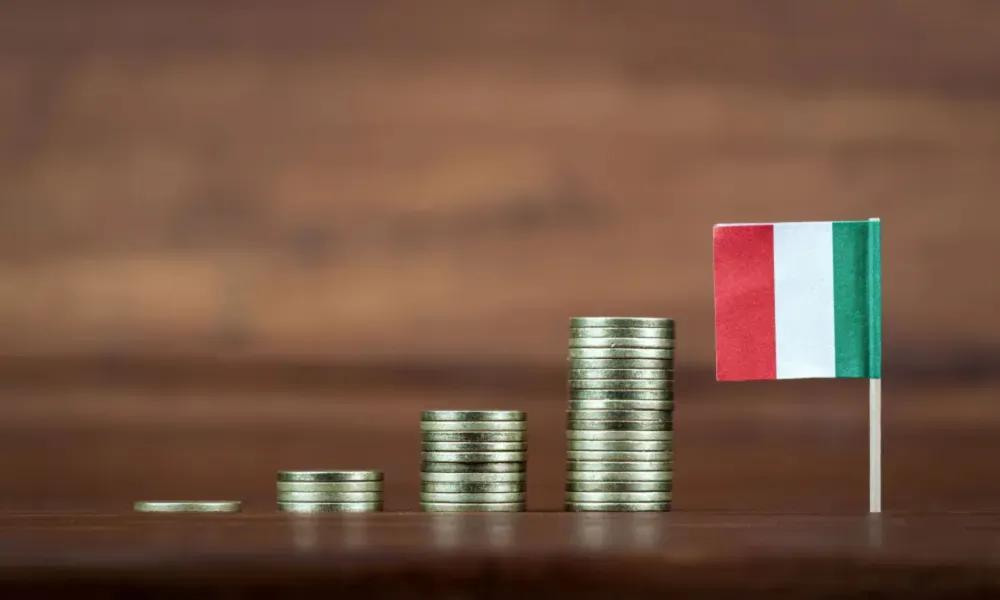

The Italian government has announced a temporary reduction in taxes on diesel fuel, cutting levies by 17 euro cents per litre until 6 August.
The measure was approved following a cabinet meeting on Monday and applies only to diesel. No corresponding tax reduction has been announced for petrol.
The government is due to meet again on 4 August to consider whether additional measures are required.
According to Italian Economy Minister Giancarlo Giorgetti, the temporary tax cut is expected to cost the state approximately €125 million.
The funding will come from fines imposed by Italy's competition authority and from a public fund used to cover various government expenditures.
Meloni examining ‘flexible fuel tax’ model
According to Italian media reports, Prime Minister Giorgia Meloni's government is also considering further fuel tax reductions through what has been described as a "flexible tax system".
Under the proposal, future tax cuts would be financed through the additional VAT revenues generated when oil prices rise.
The idea is that, as higher fuel prices automatically increase VAT receipts, part of those additional revenues could be returned to consumers through lower fuel taxes.
Limited cost to public finances
Supporters of the proposal argue that the mechanism would have only a limited impact on public finances.
However, two key conditions have been highlighted.
First, the system could only be activated after a period in which the state has already collected higher VAT revenues from fuel sales.
Second, analysts expect the overall financial benefit for motorists to remain relatively modest.
The proposal is expected to form part of discussions at upcoming government meetings as Italy seeks ways to limit the impact of fuel price volatility on consumers without placing significant pressure on public finances.
Source: CNA