
Larnaca is stepping up efforts to make its tourist attractions more accessible, with a series of targeted initiatives being introduced by the Larnaca Tourism Board in collaboration with the Deputy Ministry of Tourism, local authorities and other organisations.
The aim is to ensure that every visitor can discover and experience Larnaca on an equal basis, without barriers or exclusion.
The first step involved assessing accessibility needs at key locations. Ablebook carried out an evaluation of 31 major sites along the Larnaca Cultural Walk, identifying shortcomings and recommending specific improvements.
The findings were presented to the relevant authorities, providing a basis for targeted interventions.
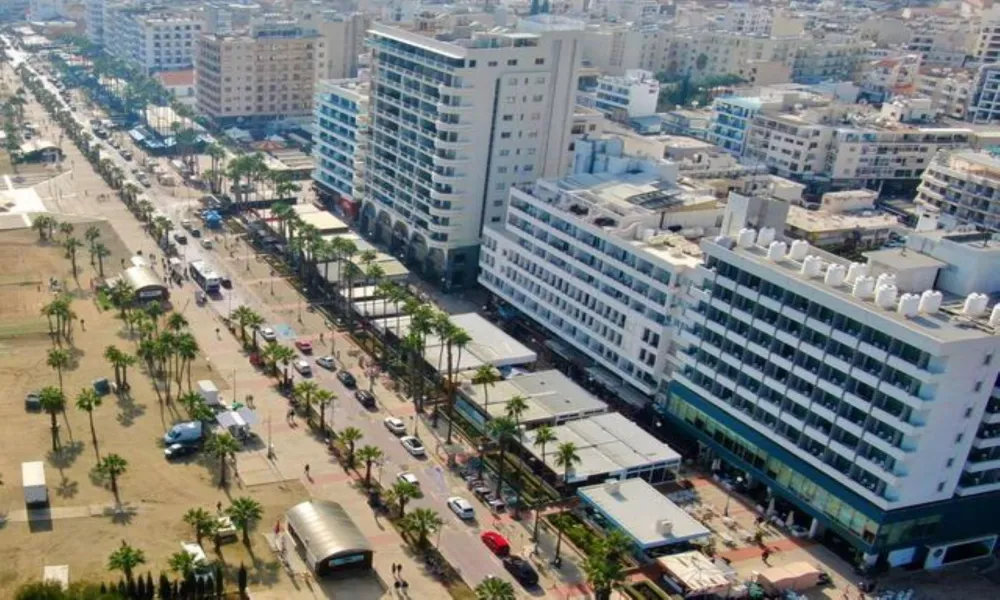
Ablebook has also designed an accessible tourist route along the city's popular Finikoudes seafront, identifying obstacles that need to be addressed. The proposal is currently being assessed as part of plans for further improvements.
Museums become more accessible
The Larnaca Tourism Board said the Livadia Basketry Heritage Museum is expected to become the first fully accessible museum in the Larnaca district in the near future.
Working with the Agios Varnavas School for the Blind, the Livadia-Oroklini Association for the Welfare of the Blind, the School for the Deaf and the Phivos Stavrides Larnaca Archives, the initiative has introduced measures to improve access for visitors with visual and hearing impairments.
These include sign-language videos, a Braille floor plan and specially designed information signs featuring QR codes that provide information in accessible formats, allowing visitors to explore the museum more independently.
Meanwhile, the Pierides Museum has introduced an innovative tactile station that allows visitors to explore interactively the different stages involved in making an ancient ceramic vessel.
The station has been adapted for wheelchair users and people with visual impairments, providing an alternative way to engage with the museum's exhibits.
Another initiative is an accessible bench designed to accommodate wheelchair users alongside other visitors. Installed on a pilot basis at the Kamares monument, the bench is intended to promote more inclusive public spaces.
A second bench is due to be installed at Finikoudes shortly. It will feature information in Braille, an audio welcome to Larnaca and a presentation in sign language.
The initiative is considered innovative in the Cypriot context because it brings together measures addressing mobility, visual and hearing impairments in a single installation.
Accessible menus introduced at Larnaca hotels
Accessibility measures are also being introduced across the hospitality sector.
In cooperation with the Ena Emeis association and the Agios Varnavas School for the Blind, six four- and five-star hotels in Larnaca have adapted their menus to make them more accessible to guests with visual impairments.
The participating hotels are Golden Bay, Sandy Beach, Lordos Beach, Radisson Blu, E-Hotel and Robinson.
Menus are available in Braille, large print and digital formats accessed through QR codes, helping guests make choices more independently.
A training workshop has also been organised for tourism industry staff, focusing on how to assist and serve people with visual impairments.
The measures form part of a wider effort to ensure that accessibility extends beyond tourist attractions to the services visitors use throughout their stay.
Sensory tours offer a different way to explore the city
Larnaca is also developing more immersive tourism experiences through the pilot implementation of a Sensory City Tour designed for people with visual impairments.
The experience includes visits to the Pierides Museum and the Kyriazis Medical Museum, as well as a guided tour of the Finikoudes seafront.
During the seafront visit, participants can use the audio features of the Larnaka Storytelling Statues application to discover stories associated with the city's landmarks.
The initiative offers an alternative way to experience Larnaca's cultural heritage and public spaces, while supporting greater independence for visitors with visual impairments.
Together, the projects represent a broader effort to make Larnaca a more inclusive destination, combining improvements to physical infrastructure with accessible information, adapted visitor services and experiences designed around different needs.