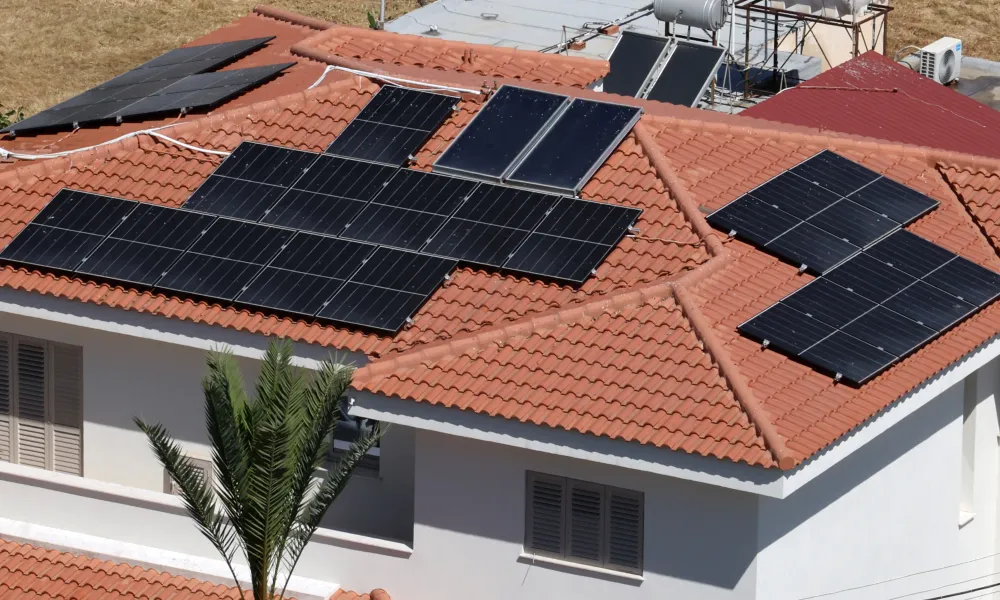

A nationwide inspection campaign by the Electricity Authority of Cyprus (EAC) Distribution System Operator (DSO) has uncovered 22 cases of illegal connections and unauthorised expansions of photovoltaic systems in just two months, including large commercial installations.
As a result, the affected systems were disconnected from the EAC network.
The campaign, which has been under way since the beginning of June, is aimed at identifying illegal installations and unauthorised modifications to photovoltaic systems. Inspections initially focused on large commercial photovoltaic installations, where the first violations were detected.
To identify illegal systems, the EAC is using a combination of:
- Software monitoring systems.
- Smart meter data.
- Satellite data.
Through the processing and cross-checking of this information, the EAC is able to detect discrepancies between approved installations and the actual operation of photovoltaic systems.
The inspections
Official data obtained by Politis from the EAC illustrate the scale of the Distribution System Operator's efforts to identify installations operating outside approved connection conditions.
Within a two-month period:
- 22 photovoltaic systems were found to be in breach of regulations.
- 110 additional installations across Cyprus are under investigation.
- 77 on-site inspections have been carried out.
Of the violations identified:
- 17 cases involved illegal connections.
- Five cases involved unauthorised increases in the capacity of existing installations.
Why they are dangerous
Photovoltaic systems found to be operating illegally were immediately disconnected from the EAC network.
Those involved were required to pay an investigation fee of €225 and may face fines amounting to thousands of euros.
The issue, however, goes beyond breaches of connection conditions.
According to sources who spoke to Politis, the unauthorised increase of a photovoltaic system's capacity can lead to uncontrolled energy injection into the EAC network, affecting the operation and stability of the electricity system.
Illegal installations have not undergone the inspections required by the Distribution System Operator and may therefore pose risks both to users and properties as well as to the reliability of the network.
At the same time, unmonitored electricity production can affect the accuracy of generation forecasts and daily load curves.
In an electricity system where photovoltaic penetration is continually increasing, precise knowledge of how much energy is being produced is considered critical to the safe and reliable management of the network.
The consequences are therefore not limited to those breaking the rules.
Illegal connections and unauthorised expansions can increase the need for generation curtailments, meaning that even legally licensed photovoltaic installations may be affected.
Disconnections
In cases involving large commercial photovoltaic systems where breaches of connection conditions were identified, installations were disconnected immediately from the network.
According to information provided to Politis, owners must now restart the licensing process to legalise either the installation itself or any additional generating capacity.
This strict approach reflects the need to inspect every installation that is connected to or modified on the network, as unauthorised alterations have not undergone the required technical checks.
As the body responsible for the operation, maintenance and development of the electricity distribution network, the Distribution System Operator says the inspections are intended to ensure the safe and reliable functioning of the EAC network.
Measures and penalties
Given the seriousness of the violations, the Distribution System Operator has implemented a series of measures to identify and address them:
-
Periodic inspections: Targeted and recurring inspections are carried out to identify illegal connections and unauthorised expansions.
-
Immediate disconnection: Photovoltaic installations found to be in breach of regulations are immediately disconnected from the EAC network because their suitability certificates cease to be valid.
-
Penalties and costs: Offenders are charged investigation costs, while cases may be referred to the police for further investigation.
-
Notification of authorities: Confirmed violations are reported to the Cyprus Energy Regulatory Authority (CERA) and the Department of Electromechanical Services for further action, including possible penalties and fines.
EAC sends a clear message
The above measures are considered necessary because illegal interventions constitute violations of key provisions of the Electricity Law and/or the Electricity Market Regulation Law.
Failing to submit an application and obtain approval from the competent System Operator before making any addition or modification constitutes a breach of distribution rules, as well as established procedures and network connection conditions.
In a recent announcement, the EAC Distribution System Operator's management called on consumers who have illegally connected a renewable energy generation unit to their electrical installation, or who have proceeded with an unauthorised increase in the installed capacity of an existing system, to remove the illegal additions and expansions.
To legalise such modifications, consumers must submit the appropriate application to the Distribution System Operator, either for the connection of a renewable energy production system or for an increase in the installed capacity of an existing system, in accordance with the prescribed connection procedure.
The inspection campaign is expected to continue, with the Distribution System Operator expanding on-site inspections and making increased use of available technical tools to identify installations operating outside approved connection conditions.