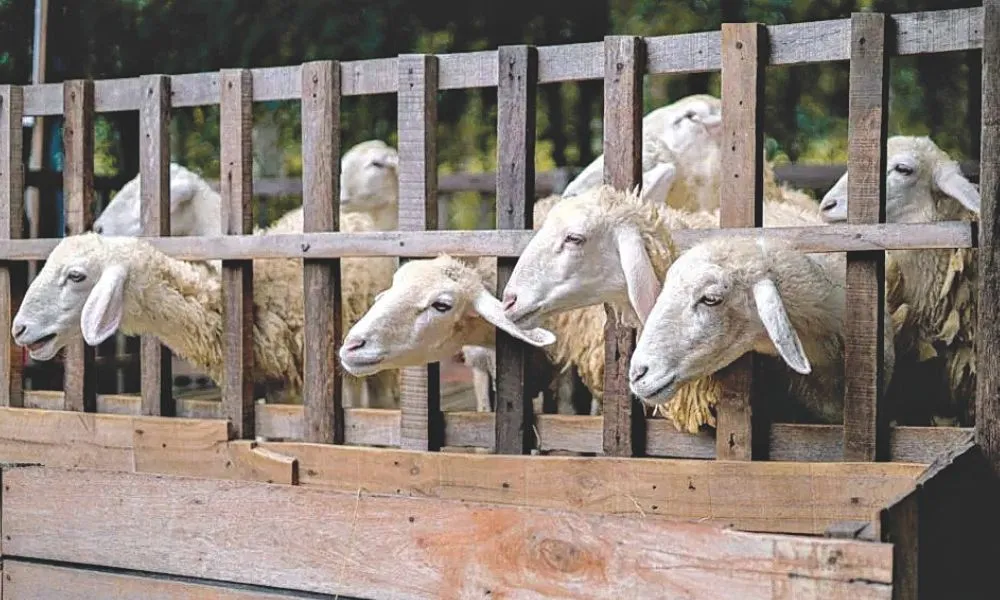
The Council of Ministers has approved a proposal by Agriculture Minister Maria Panayiotou to tighten penalties for the illegal movement of animals within the free areas and for transactions and transport of animals from the occupied areas, in a bid to address the ongoing foot‑and‑mouth crisis. The measure forms part of a broader package of decisions taken earlier in the week.
Specifically, amendments to the Animal Health Law provide for a significant increase in penalties upon conviction, rising from six months’ imprisonment or a fine of €3,323.63 to five years’ imprisonment or a fine of €250,000.
Penalties for the illegal movement of products from the occupied areas have also been increased, from 12 months’ imprisonment or a fine of €8,309.07 to 10 years’ imprisonment or €250,000.
At the same time, administrative fines have been raised from €5,000 to €100,000.
Culling underway
Speaking after the Cabinet meeting, Minister Panayiotou said culling operations are proceeding as planned, citing Pachna as an example.
Asked whether there had been attempts to obstruct the culling process, she said that, according to information from Veterinary Services in Limassol, procedures are continuing normally with police presence. “I have not been informed of any reaction so far, based on the information available to me,” she said.
On halloumi, she added that communication with all stakeholders remains ongoing through the Halloumi Monitoring Committee.
Security forces involvement
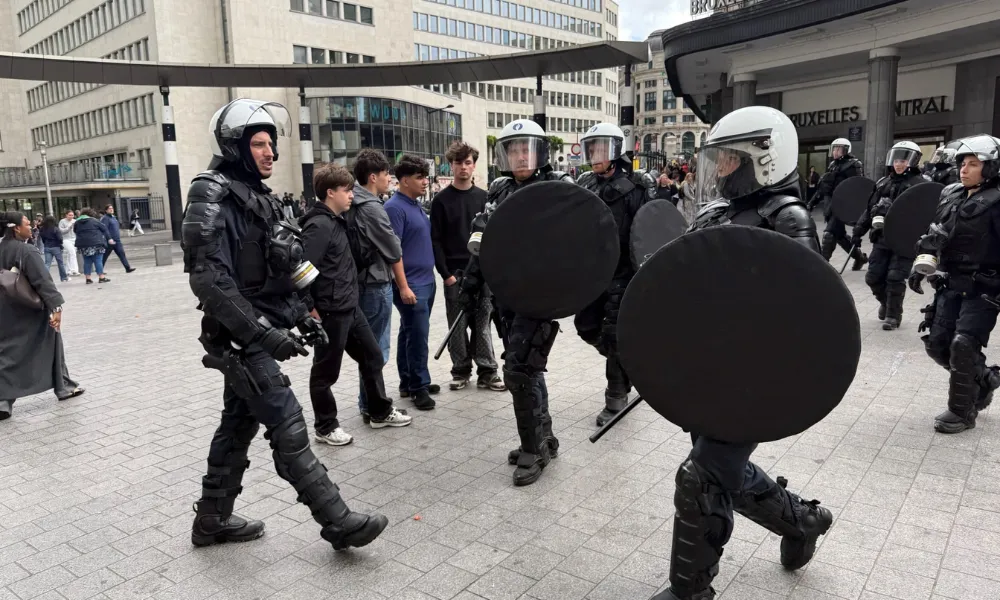
According to Politis sources, following a decision earlier in the week for greater involvement of the Army and Police in enforcing biosecurity measures, a coordination meeting was held on Wednesday.
The meeting brought together ministers and senior officials from the Ministries of Defence, Agriculture and Justice, as well as the leadership of the Police and National Guard. It confirmed the active and operational involvement of security forces on the front line of the crisis.