
Horses with forged passports and reused microchips were put back into the food chain. Vegetable oil was sold as high-quality virgin olive oil on social media, and honey was cut with sugar syrup. These are among the frauds uncovered by an international operation against food crime involving authorities from 57 countries. According to a Europol announcement published on Wednesday, products worth more than €79 million were seized.
Horses illegally returned to the food chain
In Belgium and Italy, a joint operation targeting fraud in the horse meat trade exposed weaknesses in traceability and certification systems. Authorities found forged animal passports, reused microchips and residues of banned veterinary drugs in horses that had been illegally returned to the food chain.
According to Europol, the fraud rate in this sector has fallen from 30% to around 5% in a decade.
Vegetable oil sold as olive oil
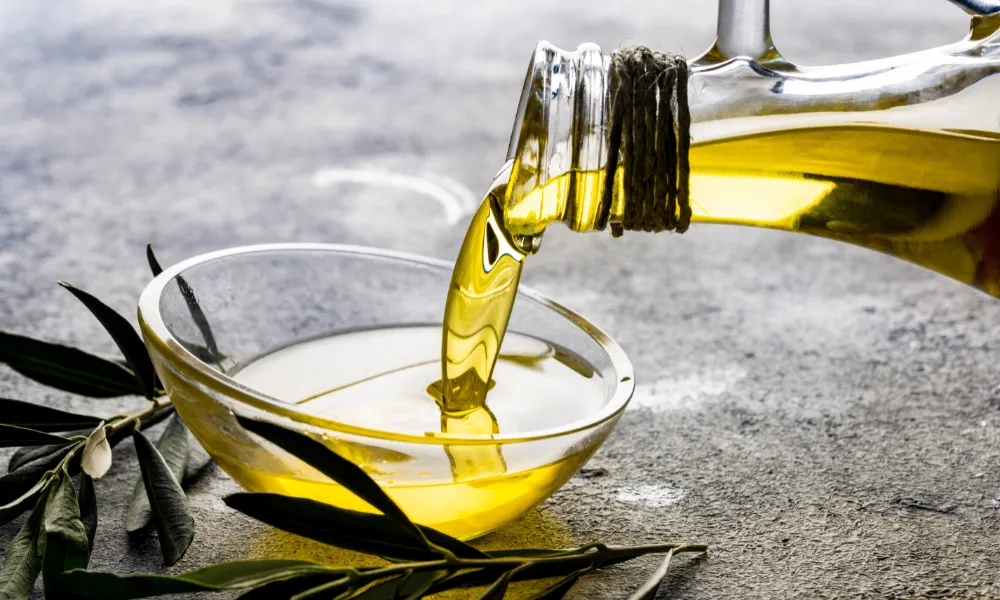
In Portugal, authorities uncovered an alleged large-scale fraud network selling vegetable oils as high-quality virgin olive oil, including through social media platforms.
Officers seized:
- 10,000 litres of misleadingly labelled vegetable oil
- 340 litres of unregistered liqueur wine
- around €200,000 in cash
- firearms and ammunition
Three people have been charged, and the investigation continues under judicial supervision.
In Turkey, coordinated operations led to the seizure of 4,150 litres of counterfeit olive oil and 970,000 packaged food products, with a total estimated value of €750,000. According to Europol, many of the products were expired, counterfeit or misleadingly labelled. They have been withdrawn from the market, and court proceedings are under way.
Honey adulterated with sugar syrup
In Canada, authorities seized more than 10 tonnes of honey adulterated with sugar syrups. The adulteration was detected using nuclear magnetic resonance analysis, which examines a product's molecular composition to verify its purity and authenticity.
Counterfeit wine and prosecco
In the United Kingdom and Italy, information exchanged through Europol's secure information exchange system, SIENA, led to the discovery of 90 pallets of counterfeit wine and prosecco with an estimated retail value of almost €600,000.
Laboratory tests confirmed that most of the bottles contained counterfeit products or carried misleading labels. One person was arrested on suspicion of conspiracy to defraud and later released, and the investigation continues.
Stolen farmed fish sold as wild catch
In Spain, two people were arrested for selling 227 kilos of stolen farmed fish as wild-caught fish. Further analysis found residues of pharmaceutical substances in the seized products.
Counterfeit spirits, sugar and soy
In Ecuador, authorities seized 19,920 units of illegal alcoholic drinks bearing the names of well-known brands. They are suspected of lacking the health registration required to be legally sold.
In Brazil, 90 tonnes of adulterated products were seized, including 48 tonnes of sugar and 42 tonnes of soy. Investigations showed that some raw materials had been substituted, affecting the products' quality and safety.
Expired and mislabelled food
In Bulgaria, inspections of meat production facilities in Plovdiv found breaches of hygiene and labelling rules. Authorities seized 35,941 kilos of food that was not properly labelled or was past its expiry date, and ordered 34,763 kilosof products to be destroyed.
In Moldova, authorities seized:
- more than 17,280 kilos of dairy products
- 6,840 kilos of iceberg lettuce
- 3,960 kilos of fresh onions
- 3,250 kilos of fat blend products
- 1,827 litres of alcoholic drinks
The problems found included expired products, missing safety documents and counterfeit labels.
The operation in numbers
Operation OPSON XV was coordinated by Europol and INTERPOL, with support from the European Anti-Fraud Office (OLAF), the European Commission and other partners. It ran from December 2025 to May 2026.
Over the six months, authorities:
- carried out 17,071 checks
- arrested 79 people
- referred 428 people to judicial authorities
- disrupted 18 organised crime groups
- seized 526,328 counterfeit products
- seized 227,800 litres of adulterated drinks
- seized 1,653,069 kilos of food that did not meet required standards
National police and customs authorities, food safety agencies and private sector bodies all took part.
Products most affected
According to Europol, counterfeiting or non-compliance was found most often in meat and meat products, alcoholic drinks, and fruit and vegetables.
Breaches were also found in a wide range of other products, including fats and oils, fishery products, animal feed and soft drinks.
The practices recorded included repackaging expired food, producing and distributing illegal food supplements containing undeclared pharmaceutical substances, and breaching hygiene rules at production sites.