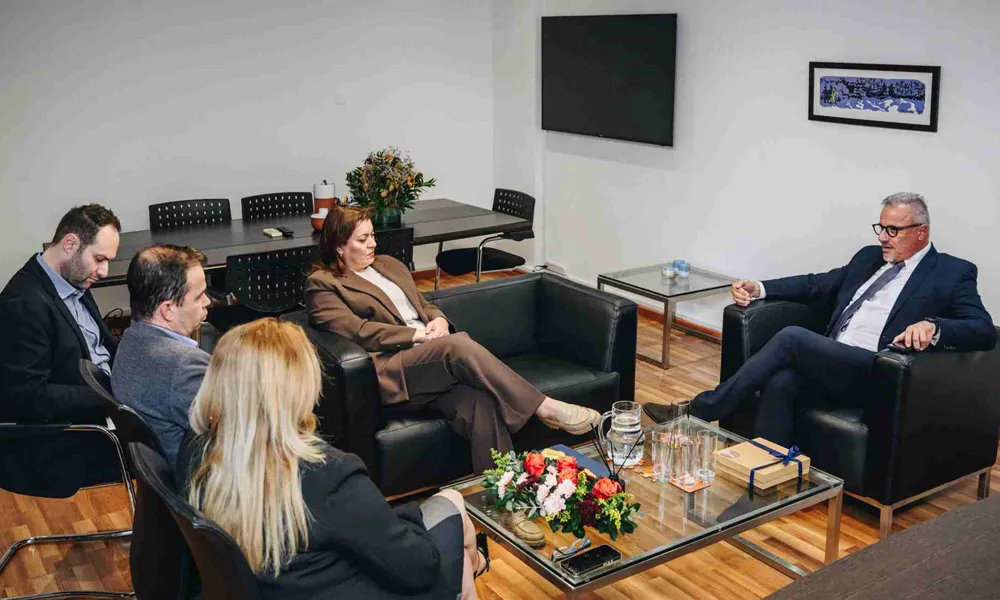

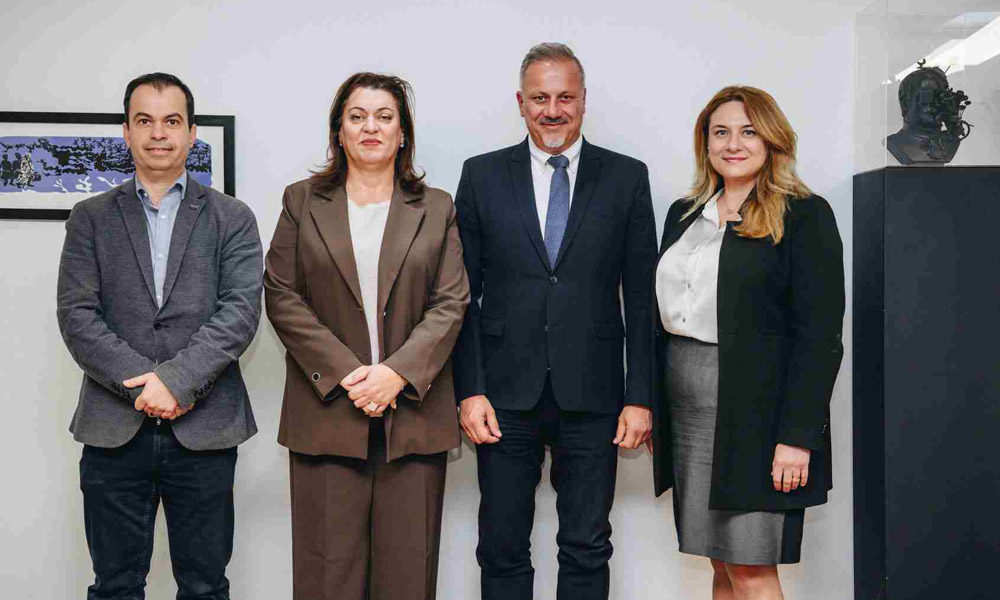
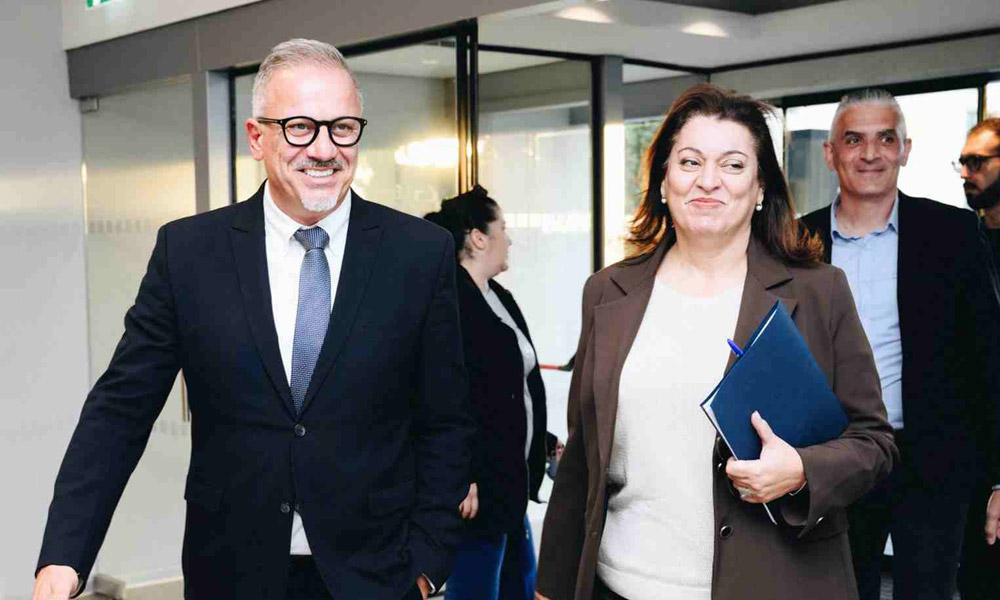
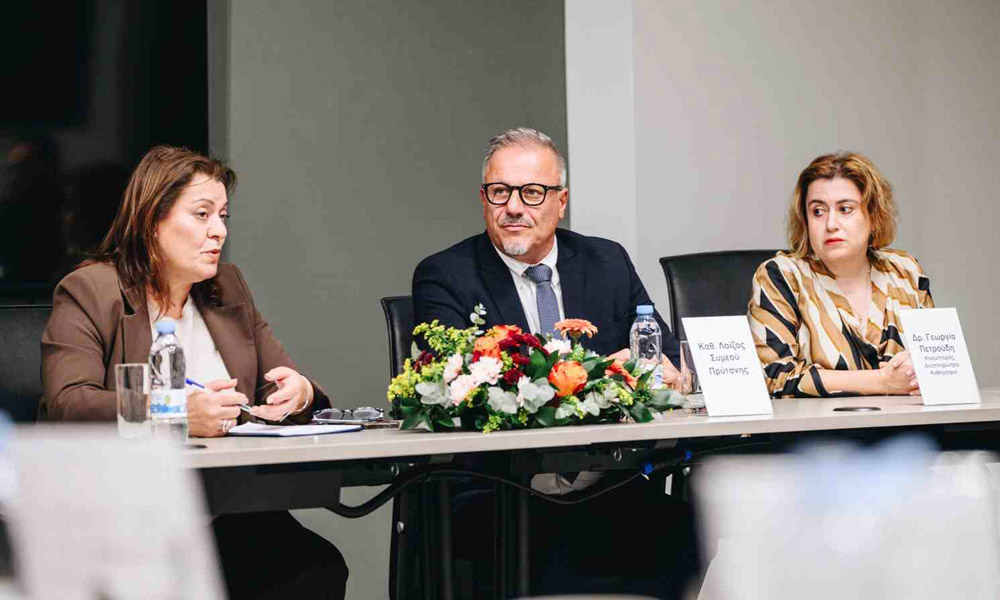
On 9 November 2026, Dr Athena Michaelidou, Minister of Education, Sport and Youth, visited European University Cyprus. Following a courtesy meeting with the University’s Rectorate, the Minister met with the Council of the Department of Education Sciences.
The Rector, Professor Loizos Symeou, and the Dean of the School, Dr Georgia Petridou, also attended. The discussion focused on two major areas of education reform in Cyprus: the teacher appointment system and the National Strategy and Action Plan for Early Childhood Education and Care.
The Department set out its views on how to develop a system for selecting and appointing teachers that gives candidates equal opportunities to enter the profession and uses transparent criteria that reflect the qualities of effective teaching. The aim is to improve the learning experience of all children. The Department stressed that the proposed changes should reflect the mission of schools: to prepare children to respond critically and creatively to the challenges of a rapidly changing world and to help shape a fairer, more sustainable society.
A central question was which qualities the selection process should assess. Participants emphasised that, alongside subject knowledge, teachers need a grounding in educational theory and practice, an understanding of how children think and what they need, and the ability to make informed teaching decisions. Critical thinking, creativity, communication and collaboration are also essential skills that teachers need to practise themselves and nurture in children.
Participants stressed that teacher selection should draw on research-based criteria relevant to the demands of each post and give due weight to candidates’ qualifications and professional experience. They also called for a systematic review of the validity and reliability of the examinations and of the potential role of complementary forms of assessment.
The Department emphasised the importance of involving teachers from different generations in the ongoing dialogue. The experience of those already working in schools should inform the discussion alongside the perspectives and expectations of those entering the profession. In particular, early-career and prospective teachers need stronger representation. To give recent graduates regular opportunities to enter the profession, the Department recommended shortening the proposed three-year interval between examinations.
Participants also highlighted the importance of considering new teachers’ potential for professional learning and growth. The quality of any education system depends on its people. Alongside assessment, improving education requires attention to teachers’ professional wellbeing and to the conditions in which they work and learn. Given adequate time and support, teachers can use research-informed approaches to build a school culture of trust, collaboration and reflection. In particular, planning lessons together, examining their own teaching and exchanging feedback can strengthen professional learning and shared responsibility, improving children’s learning experiences.
The Department also welcomed the adoption of the National Strategy and Action Plan for Early Childhood Education and Care. Research shows that the early years are a formative period for children’s learning, development and wellbeing, with effects that extend throughout life. This evidence should guide specific policies, the arrangements for putting them into effect and everyday teaching practice. The Strategy offers an important opportunity. Wider access and better facilities are important measures of progress, but its success will depend above all on the quality of education and care that every child experiences. This means recognising each child as capable, active and creative, listening to their voice and respecting the ways they naturally explore, play, interact and learn. The Department will submit its views and recommendations on the Strategy and Action Plan to the Minister in writing.
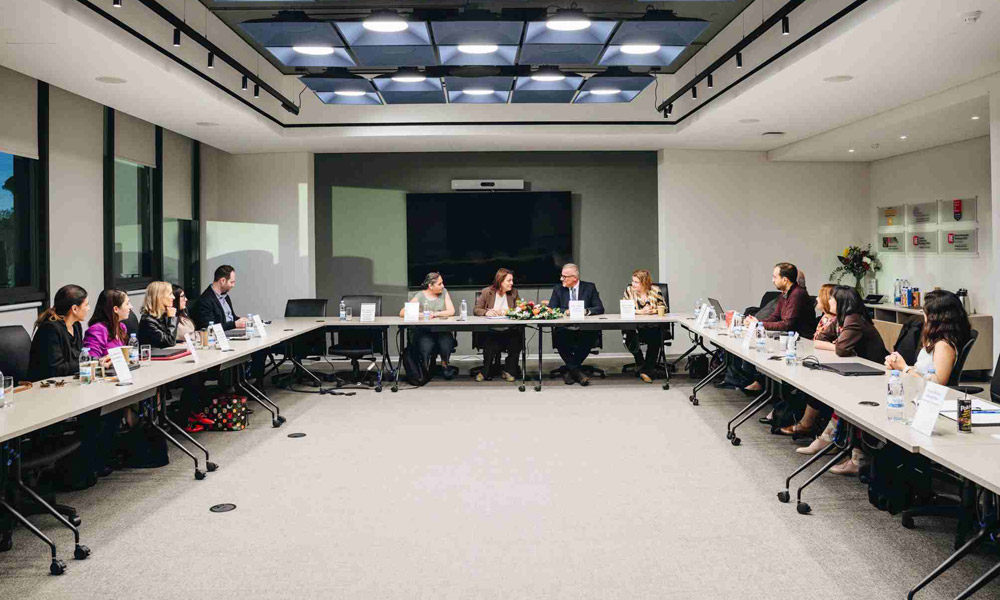
The Department welcomed the Minister’s initiative to engage in substantive dialogue with the education research community and looks forward to continued cooperation with the Ministry and other stakeholders. Drawing on its members’ expertise and research experience, the Department is ready to contribute to the design, implementation and evaluation of policies on teacher selection and professional learning, as well as to the development of a high-quality, inclusive system of early childhood education and care.