
For those in Europe who still considered climate change a problem for future generations, this year's extreme heatwaves made clear that its economic consequences are now part of daily life.
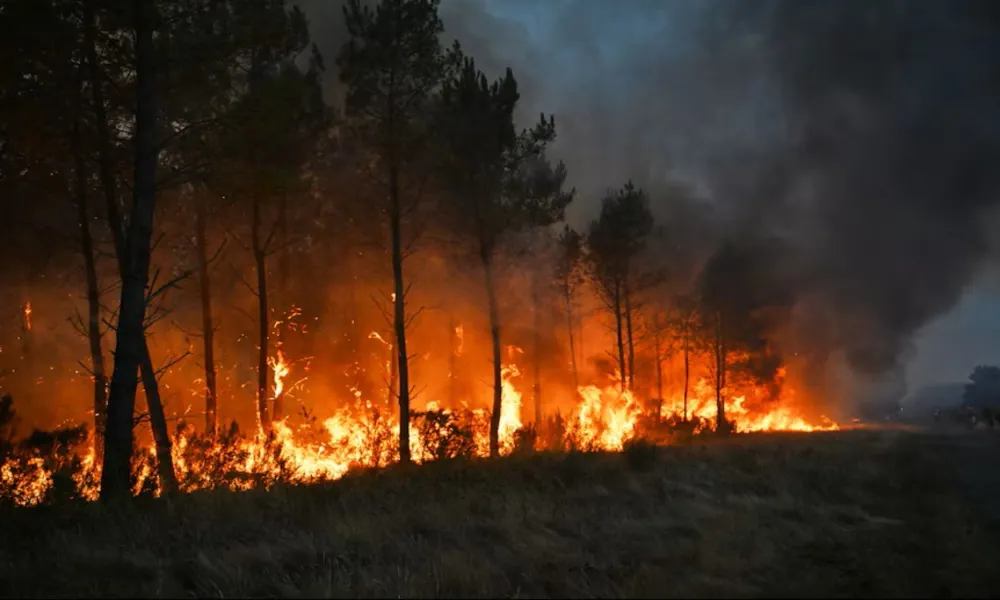
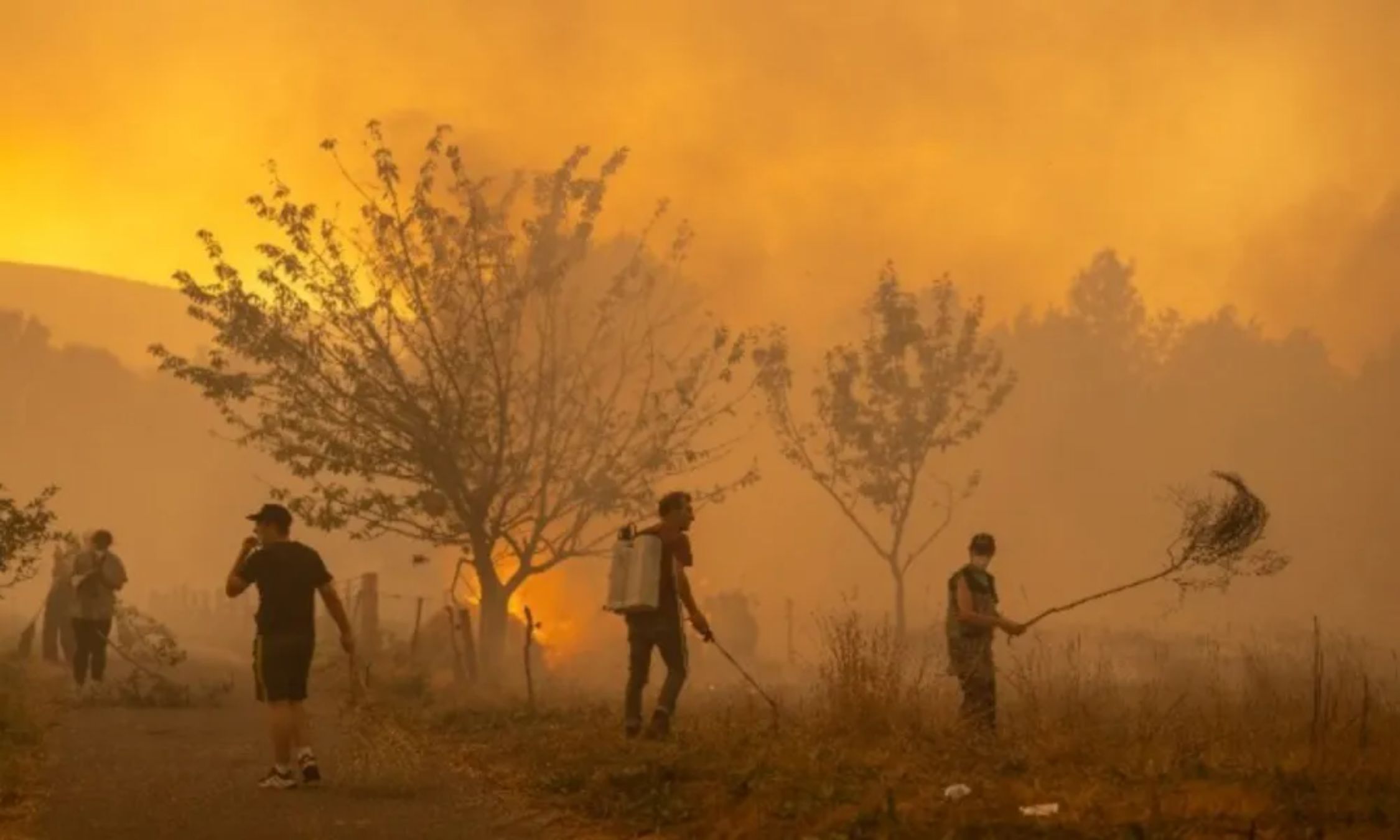
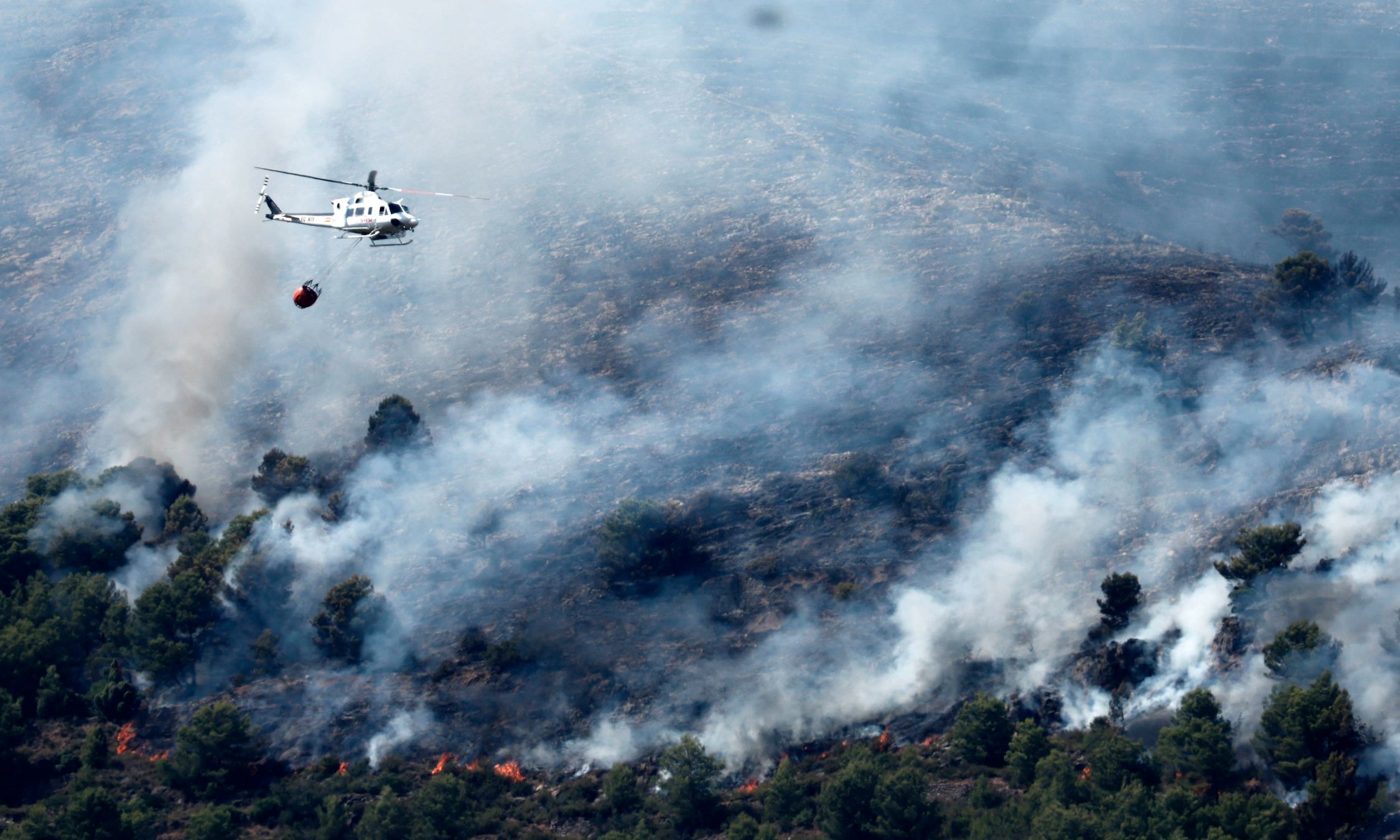
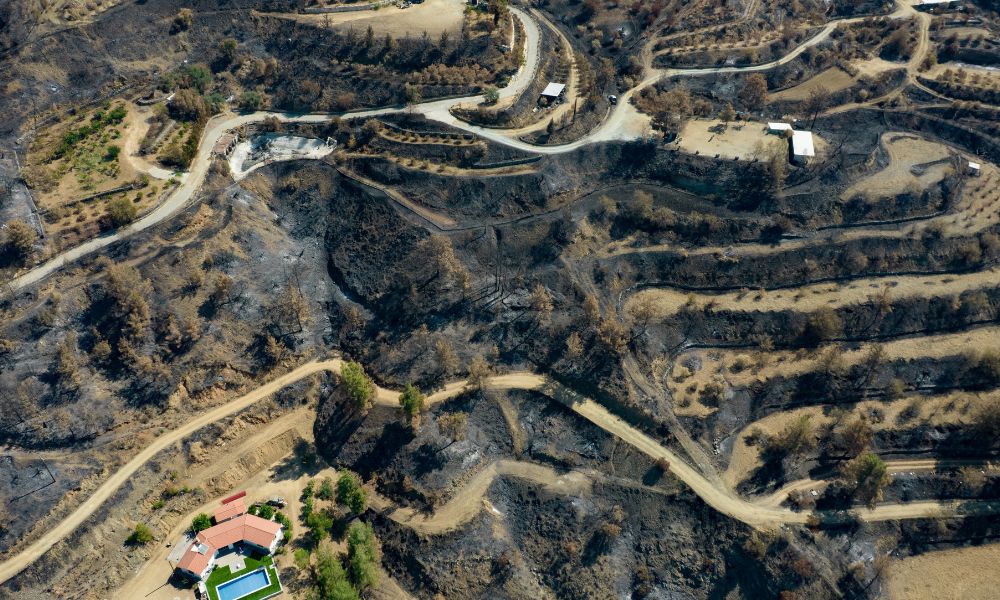
This summer's record temperatures and drought, which scientists attribute to global warming, caused serious problems for energy production, transport and public health. At the same time, this year's wildfire season is on track to become the worst in Europe's history.
Economists and academics estimate that the total damage to the region's economy already amounts to hundreds of billions of euros. They warn that this is only the beginning, as the economic cost will rise faster than the temperature.
Europe's climate is changing faster than that of any other continent. The damage is already straining public finances, driving sharp swings in inflation, reshaping the tourism map, and forcing the European Union to reconsider how it produces energy and transports goods.
"What makes 2026 particularly worrying from an economic point of view is the simultaneous occurrence of multiple extreme events," notes Cerish Usman, an economist at the University of Mannheim.
"Heatwaves, drought, wildfires... all of this is happening at the same time, and mostly in the same regions, multiplying their consequences," she explains.
Record economic damage from the heatwave
Temperatures hit critical levels in June and July, with economists estimating that the economic damage will exceed all previous records.
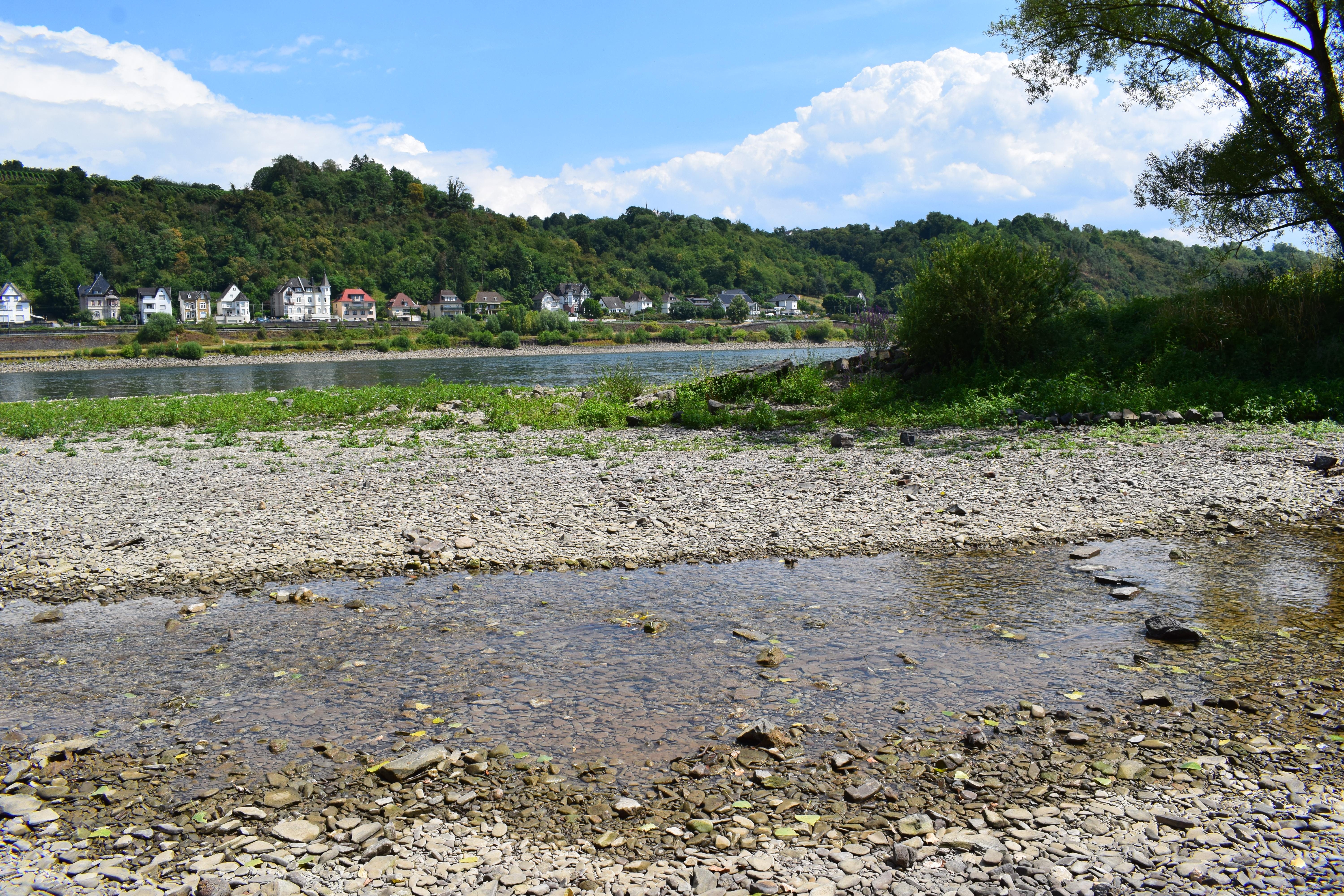
Shipping on the Rhine and Danube, key trade arteries for the continent, has been significantly restricted due to low water levels. At the same time, more than six nuclear power plants have suspended or reduced production due to difficulties cooling their reactors. Forecasts for agricultural output have been revised downward, with late-season crops such as maize already recording losses of 6-7% as of July.
High temperatures are reducing worker productivity and have already cost tens of thousands of lives, with Germanyalone recording more than 10,000 heat-related deaths.
At the same time, spending on emergency response, such as firefighting or managing energy demand, is placing further strain on budgets.
The bank ING estimates that the disruption to Rhine shipping alone will strip 0.3 percentage points from Germany's GDP, the world's third-largest economy. Similarly, Hungary's MBH Bank projects a loss of 0.1 percentage points in Hungary's GDP for every week the country's largest nuclear plant remains offline.
German insurance giant Allianz calculates that the two-week heatwave in June will reduce Europe's GDP by 0.3 percentage points.
By 2030, climate change is expected to cut growth by 5-7% in the most vulnerable economies, including Spain, France and Italy.
"The total bill for this year will be much higher," said Hazem Krichene, an economist at Allianz. "This figure does not account for wildfires, droughts, various floods, or the expected El Niño phenomenon."

Given that the eurozone economy is expected to grow by just 1% this year, the blow is considered severe.
However, Usman notes that the true scale of the economic damage will only become visible years from now.
"One would expect the damage to be greatest in the year the extreme event occurs, and then subside. But we are seeing the opposite," she said. "The economic effects grow larger in the following years, as extreme weather events trigger a chain of slow-burning economic consequences."
Southern Europe facing a tourism decline and rising inflation
Southern Europe risks bearing the heaviest blow, as it records the highest temperatures. This is reducing tourism revenue, worsening damage to crops, and fuelling migration flows abroad.
"Can you imagine tourists touring southern Italy or Spain at 45 degrees? I can't. So I believe the character of tourism will change," said Carsten Brzeski, an economist at ING.
The south may attract tourists year-round, but traffic during the peak summer season will decline, as travellers shift northward, hurting domestic hospitality businesses, Brzeski argues.
At the same time, southern countries will pay a heavier price in food costs due to extreme weather. This complicates the task of the European Central Bank (ECB), which is already struggling to keep inflation at its target.
"The effects of extreme temperatures on food prices are stronger in regions that are already hotter. So southern Europe will be more affected," explains Maximilian Kotz, a researcher at the Barcelona Supercomputing Center.
According to Kotz's estimates, the extreme heatwave of 2022 raised eurozone inflation by 0.34 percentage points due to higher food prices, with southern countries bearing the greatest burden.
At the same time, problems in river transport are making it harder to supply fuel to certain regions of Europe, widening regional price disparities.
Intense pressure on the ECB
"The fiscal burden falls mainly on the economies with the least capacity to absorb it," Allianz notes in its analysis.
Losses in annual tax revenue due to reduced output are estimated to reach 1.8% in France and 1.3% in Italy and Spain. This is because progressive tax systems lead to a faster decline in revenue relative to the drop in output.
At the same time, corporate profit margins will shrink, squeezing investment and worsening the economic downturn.
Meanwhile, government spending is surging. Governments are being called upon to fund both immediate disaster response and investments to adapt infrastructure, such as reinforcing the energy production and transport networks.
However, markets may react if governments increase spending. Debt levels are already high, particularly in France and Italy, while investments in defence and the green transition are also required.
This dilemma could draw in the ECB, which over the past decade purchased trillions of euros' worth of government bonds to hold down borrowing costs when inflation was too low.
"With such a long list of needs, the trend will be rising public debt," concludes ING's Brzeski. "This implies pressure on the ECB to intervene again with quantitative easing programmes, should a sharp sell-off occur in the bond market."
Source: Reuters