
A new methodology for estimating the packaging placed on the market at national level is presented in research by the European Commission's Joint Research Centre (JRC), published on Monday under the title "Estimating packaging placed on the market at national level". The report estimates that plastic packaging accounts for around 14 kilograms per person annually across the countries examined.
What the model covers
According to the JRC report, the new version of the model estimates the mass of packaging materials placed on the market in European Union member states for food and drink, home care, beauty products and pet food. These categories cover around 75% of the European consumer packaging market. The model combines data on sales of consumer products by packaging type, differentiated by typology, size and material, with mass coefficients for each type of packaging.
The estimates cover 19 member states and 97% of the EU population, for the period 2011-2025. Cyprus is not includedin the report.
Figures for 2024
For 2024, the JRC estimates that a total of 42.8 million tonnes of packaging were placed on the market in the 19 countries examined. Of these, 32.3 million tonnes concerned glass-based packaging, 5.9 million tonnes plastic-based packaging, 2.1 million tonnes paper, including paper-based liquid packaging, 2.3 million tonnes metal-based packaging and 0.1 million tonnes mixed materials.
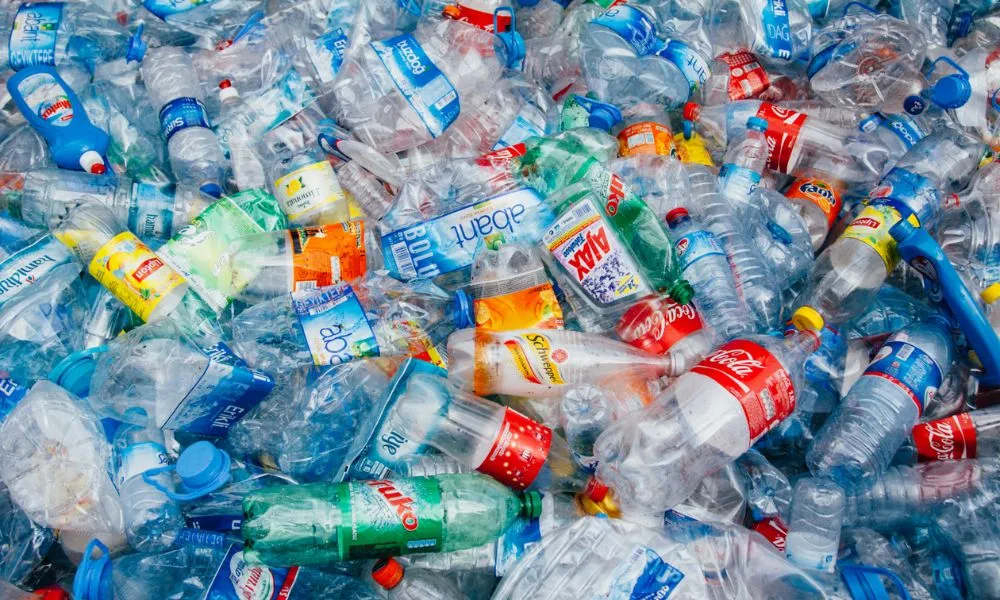
Plastic packaging corresponds to 14 kilograms per person annually in the countries examined, with the range varying from 8 kilograms in Sweden to almost 16 kilograms in Germany.
Trends over the period
During the period examined, the total quantities of packaging placed on the market remained relatively stable overall. Quantities of glass packaging decreased in 2020 before recovering, while quantities of plastic packaging increased by around 11% in absolute terms.
The report states that glass, partly due to its high density, represents the largest mass of packaging. It is followed by plastic packaging made of PET and polypropylene.
Which products drive packaging mass
According to the report's results, liquid food and drink represent a large part of the total packaging mass. Alcoholic drinks, mainly beer and wine, are the largest contributors to glass packaging, while bottled water and carbonated soft drinks are mainly associated with PET packaging. The report also states that milk is a key product for paper packaging, while beer is linked to a large part of aluminium packaging and to steel packaging.
How the methodology can be used
The JRC notes that the methodology can support member states in the mandatory reporting of packaging waste quantities and can be used to compare the quantities declared, in the context of monitoring the recycling targets set out in the Packaging and Packaging Waste Regulation.
The report states that the model can also be used to produce coefficients linking packaging mass to sales volumes, so that packaging quantities can be estimated in cases where there is no specific database for the relevant sales. In parallel, possible substitution trends between packaging materials were examined, particularly between plastics and other materials, for selected product categories such as bottled water, juices, carbonated soft drinks and milk.