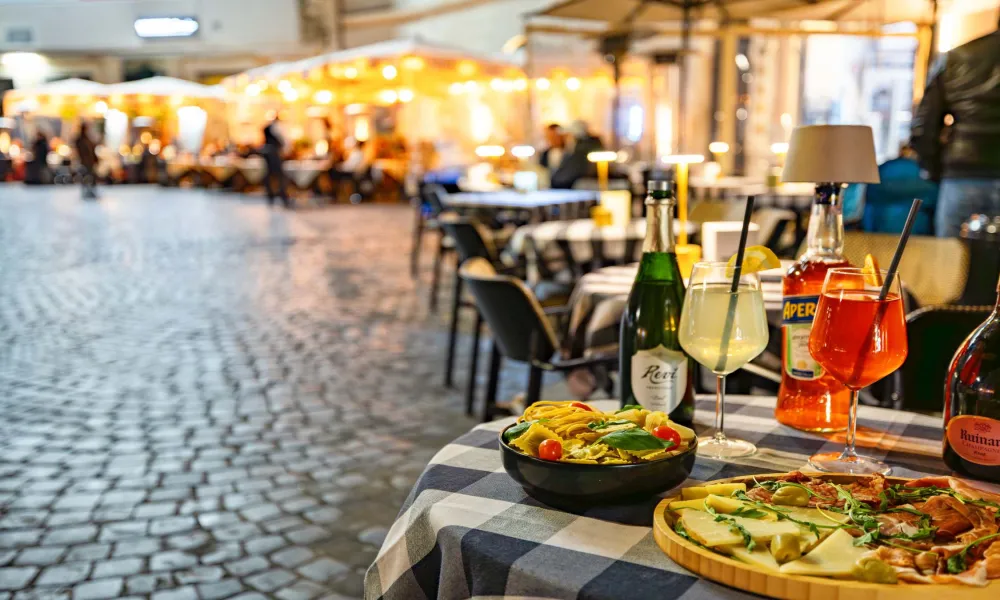

Italy's food culture is shaped by tradition, regional identity and a deep respect for ingredients. While visitors are rarely judged harshly for getting things wrong, understanding a few unwritten rules can make dining experiences far more authentic.
1. Don't order a cappuccino after breakfast
One of the most famous Italian food customs concerns coffee. A cappuccino is considered a breakfast drink, typically enjoyed with a pastry or brioche at a café.
After breakfast, Italians generally switch to espresso or, occasionally, a macchiato. Ordering a cappuccino with lunch or dinner may attract a few surprised looks, not because it's forbidden, but because it is considered too rich to accompany a full meal.
2. Don't rearrange the order of the meal
Traditional Italian dining follows a sequence:
- Antipasto (starter)
- Primo (usually pasta, rice or soup)
- Secondo (meat or fish)
- Contorno (vegetable side dish)
- Dolce (dessert)
- Coffee and digestif
You are free to skip courses, but Italians generally do not mix up the order. Salad, for example, is typically served alongside a main course rather than before it, and pasta is viewed as a course in its own right, not a side dish.
3. Don't add cheese to seafood dishes
In many parts of Italy, seafood and aged cheeses belong to different culinary traditions.
As a result, sprinkling Parmesan over a plate of spaghetti with clams or seafood pasta is often viewed as masking delicate flavours. There are exceptions built into specific regional recipes, but as a rule Italians prefer to keep seafood and strong cheeses separate.
4. Don't ask to redesign the dish
Italian chefs generally expect dishes to be served as intended.
Requesting the removal of an ingredient because of an allergy or dietary requirement is perfectly acceptable. Asking for major substitutions, changing sauces or replacing ingredients simply based on preference is less common and can be seen as interfering with the balance of the recipe.
5. Don't ignore regional specialities
Italian cuisine varies dramatically from one region to another.
Visitors who order the same familiar dishes everywhere often miss some of the country's greatest culinary experiences. Naples is known for pizza, Rome for carbonara and cacio e pepe, Genoa for pesto and Florence for its famous steak.
A good rule is to ask locals or restaurant staff what the area is known for and try those dishes first.
6. Don't rush your meal
For Italians, a restaurant meal is as much a social event as it is a chance to eat.
Lunches and dinners are designed to be leisurely occasions filled with conversation, wine and multiple courses. Service may seem slower than visitors from other countries are used to, but that is often intentional. The experience is meant to be enjoyed rather than completed quickly.
7. Don't skip the amaro
A traditional Italian meal often ends with an amaro, a bitter herbal liqueur believed to aid digestion.
Made with ingredients such as herbs, citrus peel or spices, each region has its own variations. While the flavour can be an acquired taste, trying a local amaro is a classic way to finish a meal and experience another aspect of Italy's culinary culture.
The takeaway
Italian dining etiquette is less about strict rules and more about respecting traditions that have evolved over generations. Follow local customs, embrace regional dishes and take your time at the table, and you'll experience Italian food the way Italians do.
Source: BBC