

Choosing a dog in Cyprus is not only about size, personality or whether it can live in an apartment. The island’s heat changes the calculation. Long summers, hot pavements and high daytime temperatures can turn even a routine walk into a risk, particularly for dogs with thick coats, flat faces or low stamina in warm weather.
No breed is immune to heat. A dog that copes well in a warm climate can still suffer from heatstroke if it is walked at the wrong time, left without shade or pushed too hard in the sun. But some breeds are better built for Mediterranean conditions, especially those with short coats, lean frames and the energy to exercise safely when the day is cooler.
Vizsla
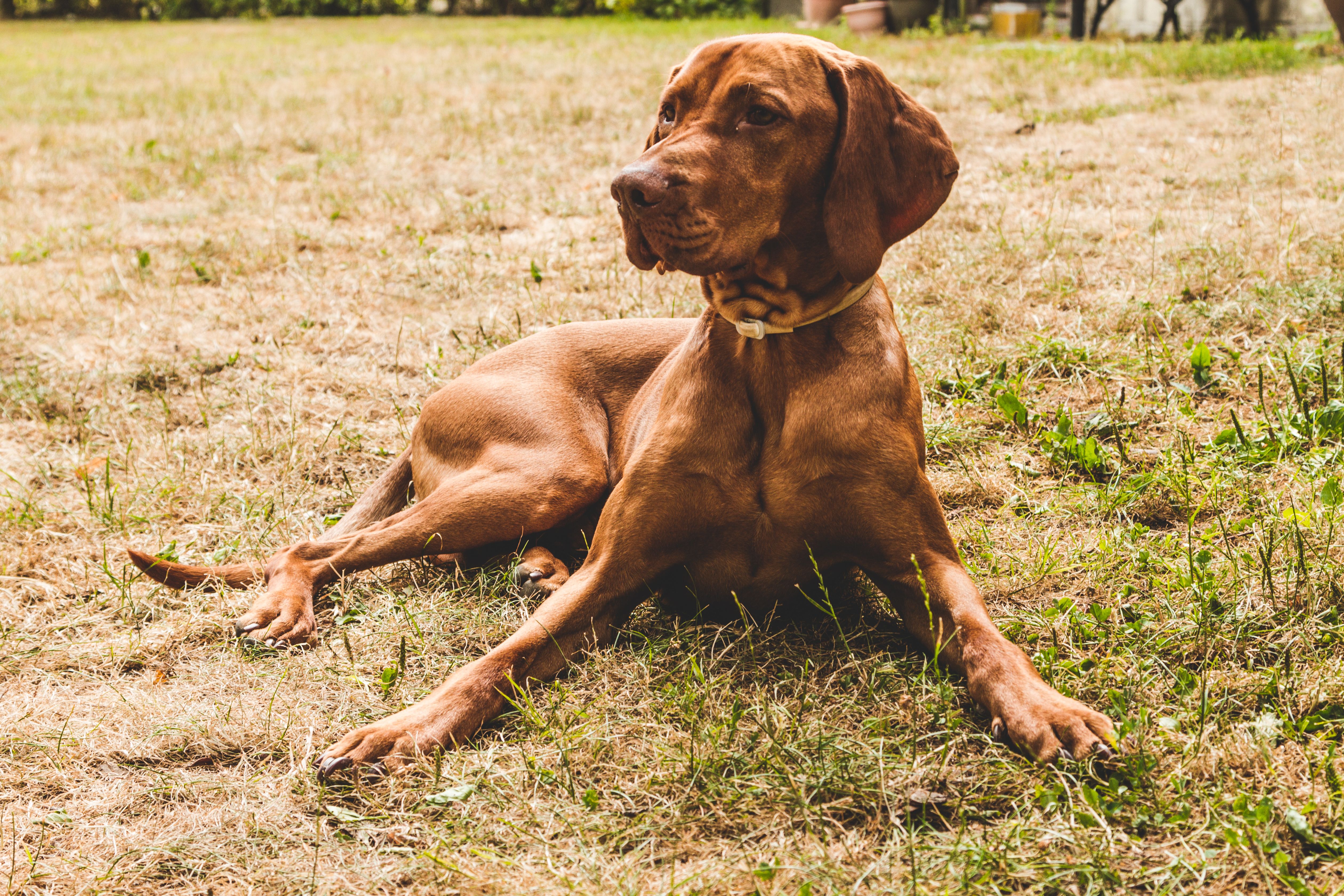
The Vizsla is one of the stronger choices for active owners in Cyprus. Lean, short-coated and athletic, it is better suited to warm weather than many heavier breeds with dense fur. It is also a highly affectionate dog, often forming a close bond with its family and following its owners closely around the home.
That attachment is part of the appeal, but also part of the responsibility. A Vizsla is not a dog to leave alone for long hours or treat as a decorative pet. It needs movement, training and daily engagement. In Cyprus, that means early morning walks, evening exercise and avoiding long periods outdoors during the hottest part of the day.
For families who want an energetic companion and can offer time, structure and attention, the Vizsla can adapt well. For owners who are often away from home, it may become restless, anxious or difficult to manage.
Whippet
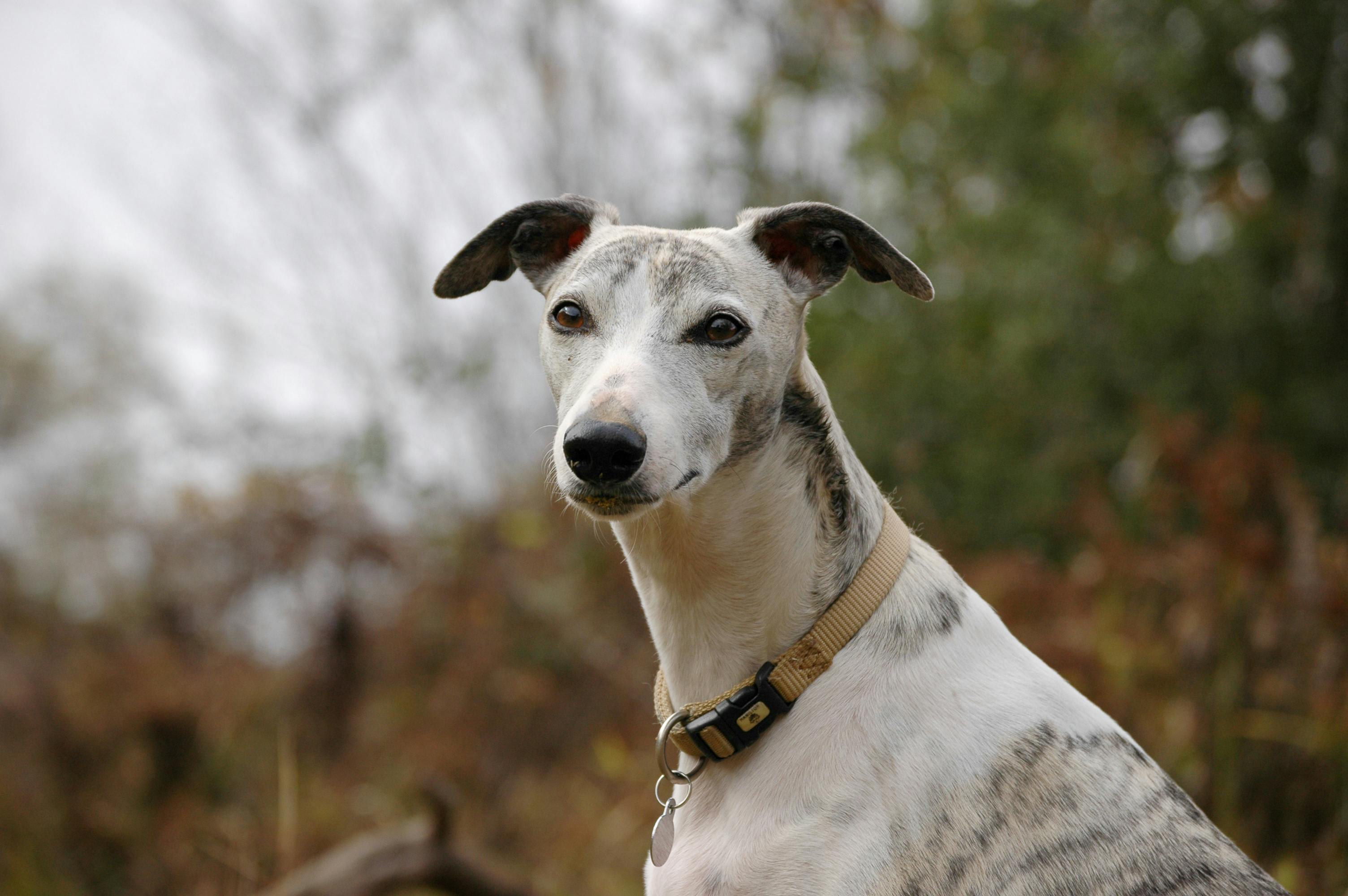
The Whippet is a more understated choice, but one that can make sense for Cyprus. Its slim body, short coat and moderate size help it cope better with heat than bulkier or heavily coated dogs. It is also generally calm indoors, which can suit apartment living or smaller homes.
Whippets do need exercise, but they usually prefer short bursts of speed rather than long, demanding walks. That fits well with Cyprus summers, where dogs should not be out in the midday sun. A short walk in the morning, a safe run in a secure area and another outing later in the evening can be enough for many dogs of this breed.
The main caution is their chase instinct. Whippets can move very quickly if they spot a cat, bird or small animal, so owners need secure spaces and reliable lead control. They are elegant and manageable dogs, but they still need careful handling.
German Shorthaired Pointer
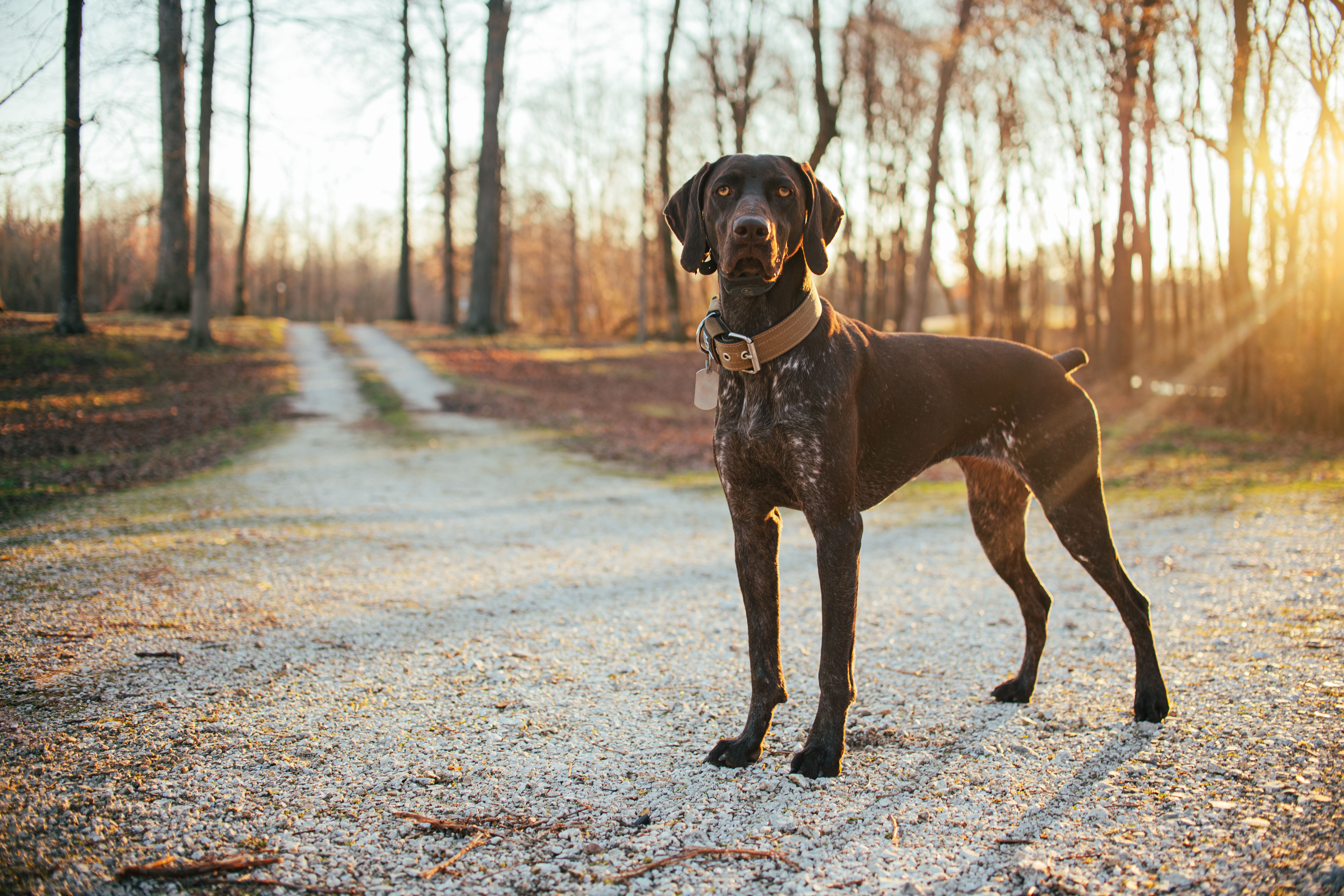
The German Shorthaired Pointer is a strong, athletic breed that can cope well in warm weather when properly managed. Its short coat and high stamina make it better suited to Cyprus than many long-haired or heavy working breeds.
This is, however, a demanding dog. It needs exercise, training and mental stimulation every day. A German Shorthaired Pointer that does not have enough activity can become frustrated and destructive, especially in a home that cannot match its energy.
For active owners, the breed can be a rewarding companion. It suits people who enjoy long walks, countryside routes and outdoor routines, but in Cyprus those routines must be built around the weather. Summer exercise should be kept to the coolest hours, with water breaks and shade always available.
The Heat Is Still the Real Test
The breed matters, but daily care matters more. Dogs in Cyprus need constant access to fresh water, shade and a cool indoor space. Walks should be avoided during peak heat, and pavements should be checked before going out, as hot surfaces can burn paws quickly.
Heavy panting, drooling, weakness, vomiting, confusion or collapse can be signs of heatstroke and should be treated as urgent. Even a heat-tolerant breed can be at risk if it is overexercised or left exposed.
The best dog for Cyprus is not simply the one that can withstand heat. It is the one whose needs match the owner’s lifestyle, home and ability to provide safe care through the hottest months of the year.