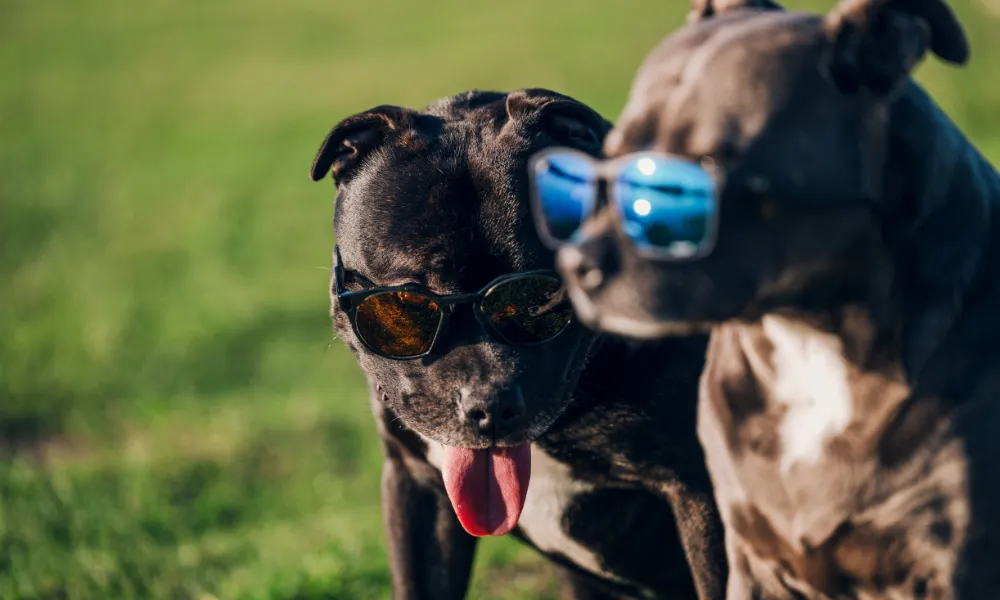

Rising temperatures can be uncomfortable for people, but they can be dangerous for pets. Dogs, cats and other animals are more vulnerable to heat than many owners realise, particularly when they are exercised at the wrong time of day, left in poorly ventilated spaces or kept outdoors without enough shade and water.
Avoid the hottest hours
The main rule is simple: avoid heat before it becomes a problem. Walks should be planned for early morning or late evening, when temperatures are lower and pavements are cooler. During the hottest part of the day, pets should be kept indoors or in shaded, well-ventilated areas, with constant access to fresh water.
Research by the Royal Veterinary College’s VetCompass programme found that exercise was the most common trigger for heat-related illness in dogs, with walking linked to most activity-related cases. The study, published in Scientific Reports, also found that breeds such as Chow Chows, Bulldogs and French Bulldogs faced a higher risk, along with dogs that were heavier than average for their breed and sex.
Hot pavements are another risk that is often overlooked. If the ground feels too hot for a hand, it can also be too hot for a dog’s paws. Asphalt, stone and concrete can retain heat long after the air temperature begins to fall, making evening walks safer but not automatically risk-free.
Never leave pets in parked cars
Parked cars are among the most dangerous places for pets in warm weather. Leaving an animal inside a vehicle, even briefly, can expose it to rapidly rising temperatures. The same caution applies to closed balconies, sheds, greenhouses and rooms without airflow, where heat can build up quickly.
Owners should plan errands and journeys so that pets are not left waiting inside vehicles. If a dog or other animal cannot come inside safely at the destination, it is usually safer for the animal to stay at home.
Watch for warning signs
Owners should know the early warning signs of overheating. Heavy panting, excessive drooling, restlessness, weakness, vomiting, diarrhoea, uncoordinated movement or collapse can all indicate that an animal is in distress.
Some animals need extra care. Older pets, overweight animals, very young animals and those with existing health problems may struggle more in hot weather. Flat-faced breeds can also be at greater risk because they often find it harder to regulate their body temperature through breathing.
Do not forget cats and outdoor animals
Dogs are often the focus of summer safety warnings, but cats, rabbits, guinea pigs, birds and other small animals also need protection. Water should be available in more than one place, especially for animals that spend time outdoors.
Cats should not be shut inside enclosed balconies, sheds or sun-facing rooms where they may fall asleep and overheat. Pale-coloured cats and dogs may also be vulnerable to sunburn on exposed areas such as ears and noses, and pet-safe sunscreen may be needed after advice from a vet.
Small animals should never be left in hutches or cages exposed to direct sunlight. Rabbits and guinea pigs need shade throughout the day, good ventilation and fresh water that is checked regularly. Their enclosures may need to be moved as the sun changes position.
Small steps can help strays
Stray animals also struggle during heatwaves. Leaving clean water in a shaded, safe place can help, provided bowls do not obstruct pavements, roads or entrances. Water should be changed regularly to avoid contamination and mosquitoes.
Food should be handled carefully in hot weather, as it can spoil quickly and attract insects. Water is usually the most useful immediate support during periods of high heat.
When to call a vet
If heatstroke is suspected, the animal should be moved immediately to a cooler area and a vet should be contacted. Cooling should be gradual and safe. Owners should never ignore symptoms such as vomiting, weakness, lethargy or collapse.
Warm weather does not mean pets cannot enjoy the season. It does mean routines need to change. Shorter walks, cooler hours, shaded rest, fresh water and close attention to warning signs can make the difference between ordinary summer discomfort and a medical emergency.