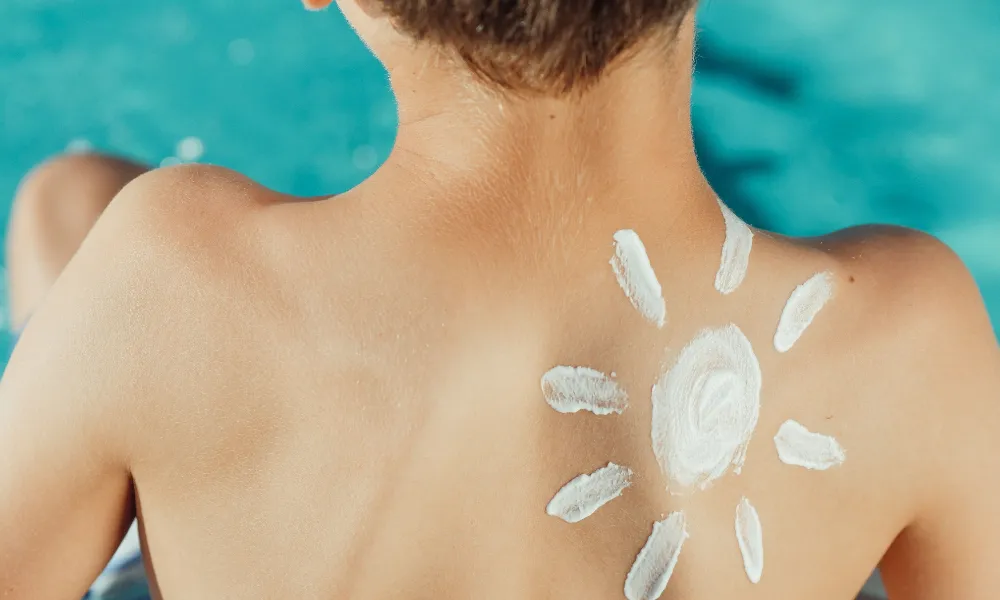

Sunscreen protects the skin from the harmful effects of ultraviolet (UV) radiation and can help prevent skin cancer. However, experts warn that many people either use too little sunscreen or apply it incorrectly.
How the sun damages skin
Sunburn is a clear sign that the skin has been damaged, but skin damage does not require burning to occur. The underlying cause is UV radiation emitted by the sun.
Some UV exposure is beneficial, as it allows the skin to produce vitamin D, which supports bone health, blood cell production and proper immune system function. However, excessive exposure can cause premature skin ageing and lead to skin cancer.
The charity Cancer Research UK states that excessive exposure to UV radiation, whether from sun exposure or sunbed use, is one of the main contributing factors to skin cancer, and estimates that nine in ten cases could have been prevented. Excessive sun exposure can also cause damage to the eyes.
What the UV Index measures
The UV Index is an internationally recognised scale for measuring the intensity of ultraviolet radiation. It starts at 0 and can exceed 10.
According to Cancer Research UK, sunscreen and appropriate protective clothing are recommended whenever the UV Index reaches 3 or higher. The higher the reading, the greater the level of protection required.
UV levels vary throughout the day, with the highest values typically recorded during a four-hour window when the sun is at its highest point in the sky, roughly from midday to early afternoon. UV Index values are included in many weather forecasts.
How much sunscreen is needed
The UK's National Health Service (NHS) says most people do not apply enough sunscreen. It recommends adults use around six to eight teaspoons of sunscreen to cover the entire body.
Sunscreen should be applied to all exposed areas of skin, including the face, neck and ears, as well as the scalp if hair is thin or absent. It should ideally be applied 30 minutes before sun exposure, and reapplied every two hours, or sooner after heavy sweating, swimming, or towel-drying, even if the product is labelled water-resistant or long-lasting. No sunscreen offers complete protection from UV radiation.
For this reason, additional protective measures are recommended, including trousers or a skirt made of tightly woven fabric, a long-sleeved top, a sun hat and sunglasses. Staying in the shade during the hottest hours of the day is also advised.
What SPF numbers mean
The most prominent number on sunscreen packaging is the Sun Protection Factor (SPF). The higher the number, the greater the protection. According to the British Skin Foundation, SPF indicates how much protection a sunscreen provides against UVB radiation specifically.
If applied correctly, an SPF 30 sunscreen theoretically allows skin 30 times longer before burning compared with using no sunscreen at all. The British Skin Foundation notes that SPF 30 allows around 3% of UVB radiation to reach the skin, while SPF 50 allows around 2%. Both the British Skin Foundation and the NHS recommend using sunscreen with a minimum SPF of 30.
Can old sunscreen still be used?
According to the British Association of Dermatologists, sunscreen should be stored in a cool, dry place away from direct sunlight. An unopened, properly stored sunscreen typically remains effective for around 30 months. Sunscreen past its expiry date should not be used, as it may no longer offer the level of protection stated on the label.
Some sunscreens do not display a specific expiry date but instead carry a "Period After Opening" (PAO) symbol, shown as an open jar icon alongside a number and letter, indicating how long the product remains effective once opened. For example, "12M" means the sunscreen can be safely used for 12 months from first use.
Source: BBC