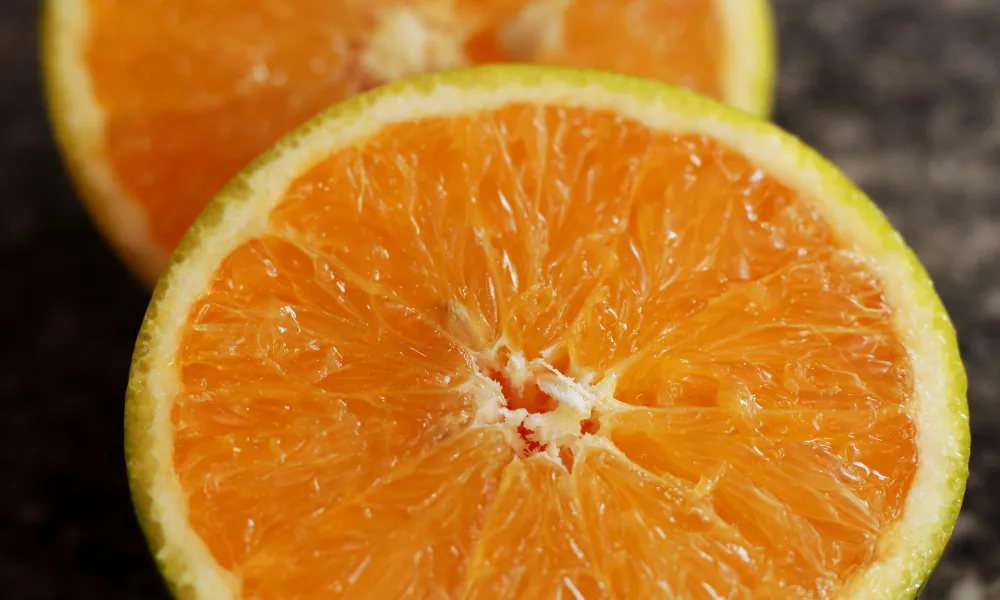

For years, nutrition experts have stressed the importance of eating more fibre. Yet despite growing awareness around healthy eating, most people still consume far less than the recommended daily amount.
Now, researchers and dietitians are placing renewed attention not only on which foods contain the highest levels of fibre, but also on when during the day these foods are consumed.
According to the Mayo Clinic and findings highlighted by the NHS and National Geographic, diets rich in fibre are linked to a lower risk of heart disease, type 2 diabetes, stroke and colon cancer, while also supporting digestion, satiety and long-term weight management.
Among the foods that stand out most are fruits, particularly a small group that contains significantly higher amounts of fibre than others.
Why fibre matters more than ever
Fibre plays a central role in digestive health, but its impact extends much further.
Experts say fibre helps regulate blood sugar levels, supports healthy gut bacteria, improves feelings of fullness after meals and may help prevent overeating throughout the day.
Low-fibre diets, by contrast, are often associated with spikes and crashes in blood sugar, increased hunger and sluggish digestion.
Nutrition specialists also note that many processed foods contain high levels of added sugar but very little fibre, creating an imbalance that can negatively affect metabolism over time.
The fruits highest in fibre
According to the Mayo Clinic, six fruits stand out for their particularly high fibre content.
Raspberries
With around 8 grams of fibre per cup, raspberries top the list.
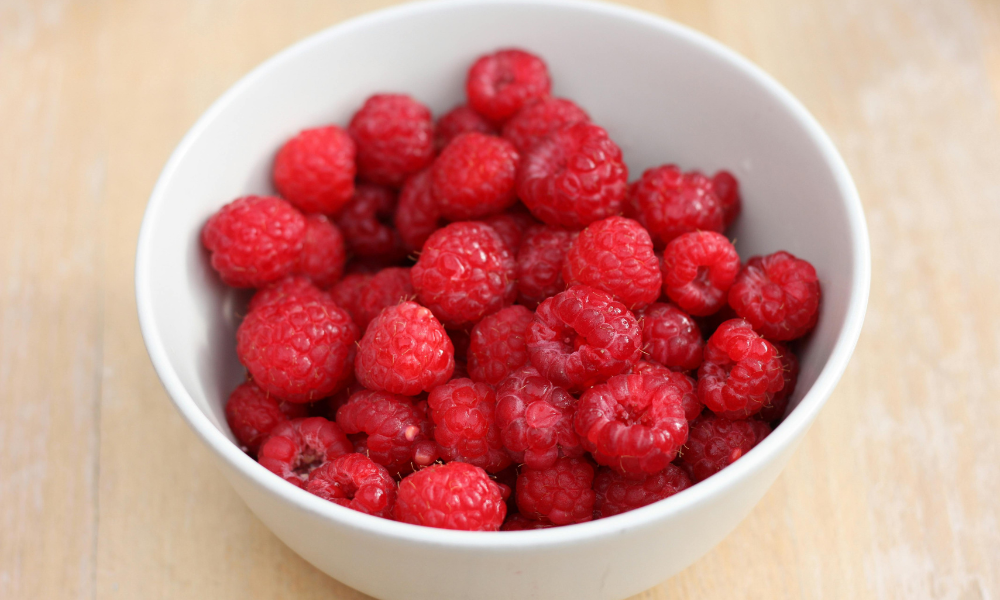
Experts describe them as one of the easiest ways to increase fibre intake naturally. They can be added to yoghurt, smoothies, breakfast bowls or eaten on their own as a snack.
Pears
A medium pear contains approximately 5.5 grams of fibre, especially when eaten with the skin.
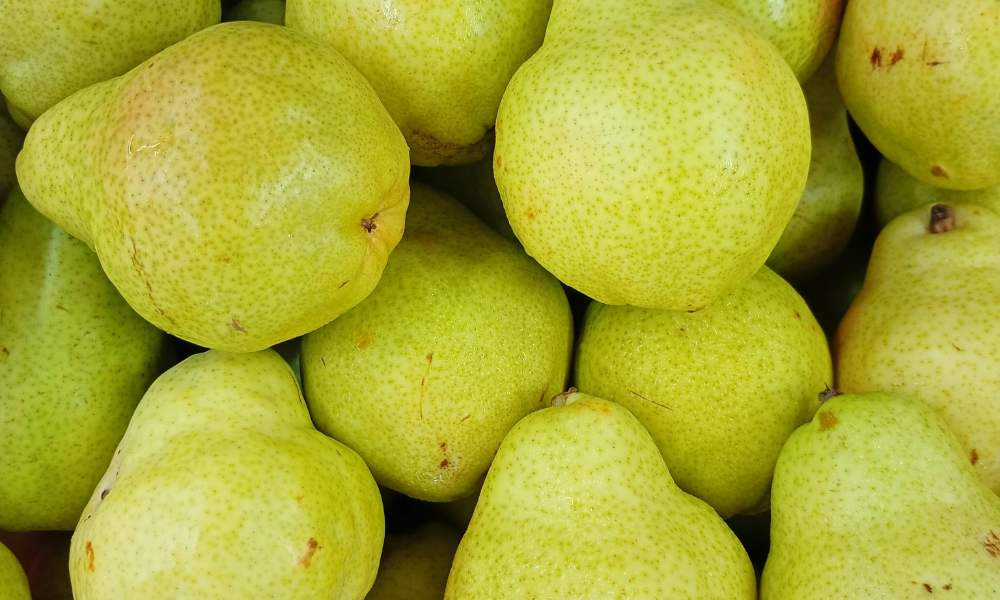
Dietitians often recommend pears because they combine high fibre content with hydration and natural sweetness.
Apples
An apple with its skin provides roughly 4.5 grams of fibre.
Apples remain one of the most accessible and practical high-fibre fruits, while also containing antioxidants and nutrients linked to heart health.
Bananas
Although better known for energy and potassium, bananas also contain around 3 grams of fibre per medium fruit.
They are frequently recommended as part of balanced breakfasts because they combine fibre with slow-release carbohydrates.
Oranges
A medium orange offers approximately 3 grams of fibre along with high levels of vitamin C.
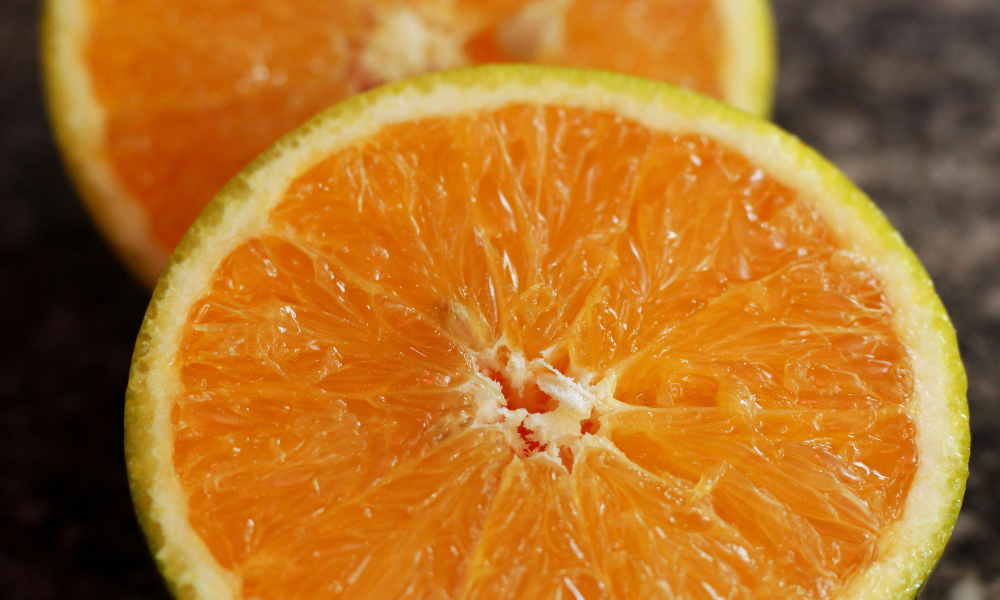
Experts note that eating whole oranges provides significantly more fibre than drinking orange juice.
Strawberries
Strawberries contain around 3 grams of fibre per cup and are also rich in antioxidants.
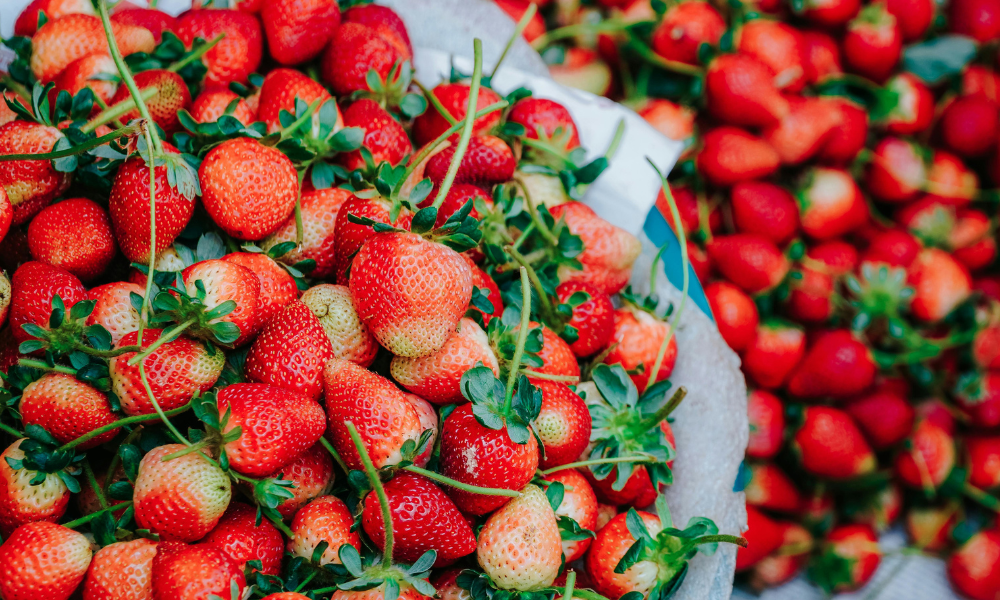
Their relatively low calorie content makes them popular in weight-management diets.
The surprising importance of timing
Emerging research now suggests that the timing of fibre intake may be almost as important as the quantity consumed.
A 2026 study found that adults following a calorie-controlled diet experienced greater weight loss and improved gut health when they ate a high-fibre breakfast, compared to participants who consumed protein-heavy breakfasts such as eggs and bacon.
Researchers believe fibre early in the day may help stabilise blood sugar and improve appetite control for hours afterwards.
Fibre and appetite control
A separate 2025 review analysing 48 clinical trials found that cereal-based fibres consistently improved the body’s satiety signals, helping people feel fuller throughout the day.
According to experts interviewed by National Geographic, morning fibre intake may create what some describe as a “metabolic advantage”.
This includes:
- More stable energy levels
- Better digestion
- Reduced cravings
- Improved blood sugar control
- Lower risk of overeating later in the day
Scientists also point to the role of the body’s circadian rhythms, which influence metabolism and insulin sensitivity.
Research suggests the body processes carbohydrates more effectively earlier in the day, making breakfast an especially important opportunity to consume fibre-rich foods.
Avoiding energy crashes
Specialists from the Jean Mayer USDA Human Nutrition Research Center at Tufts University say fibre may also help prevent fatigue and sudden hunger caused by rapid changes in blood sugar.
Meals low in fibre are more likely to produce sharp glucose spikes followed by energy crashes, while fibre-rich meals slow digestion and help maintain steadier glucose levels.
According to nutrition experts, beginning the day with more fibre may influence how the body manages glucose for the rest of the day.
Small changes with long-term impact
Health experts stress that increasing fibre intake does not require extreme diets or complicated meal plans.
Simple habits such as adding berries to breakfast, eating fruit with the skin on, replacing processed snacks with whole fruit or including oats and whole grains in morning meals may significantly improve daily fibre intake over time.
The growing body of research suggests that both the amount and timing of fibre consumption may play an important role in long-term health, weight regulation and metabolic balance.
Sources: Mayo Clinic, NHS, National Geographic