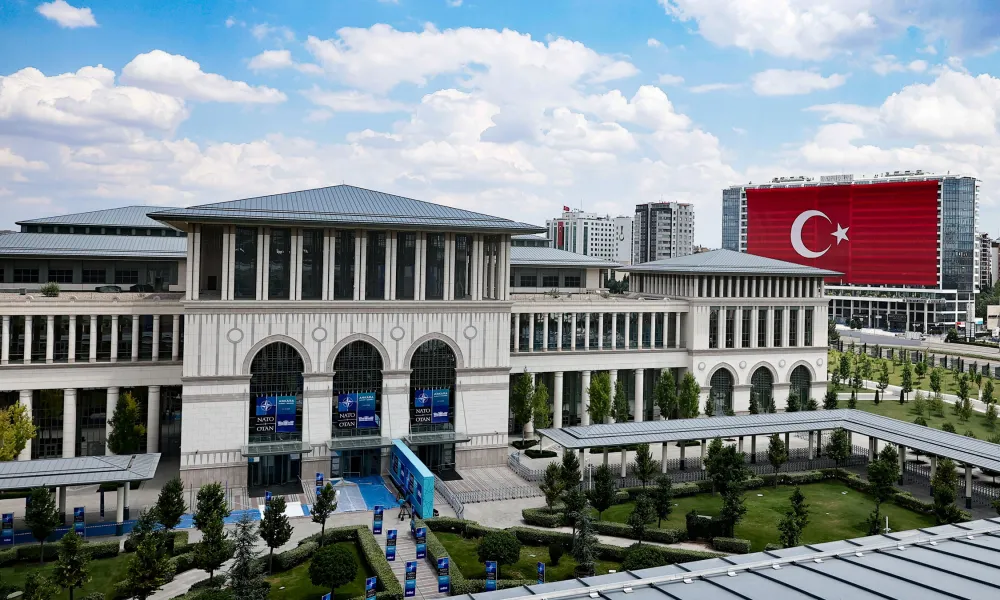

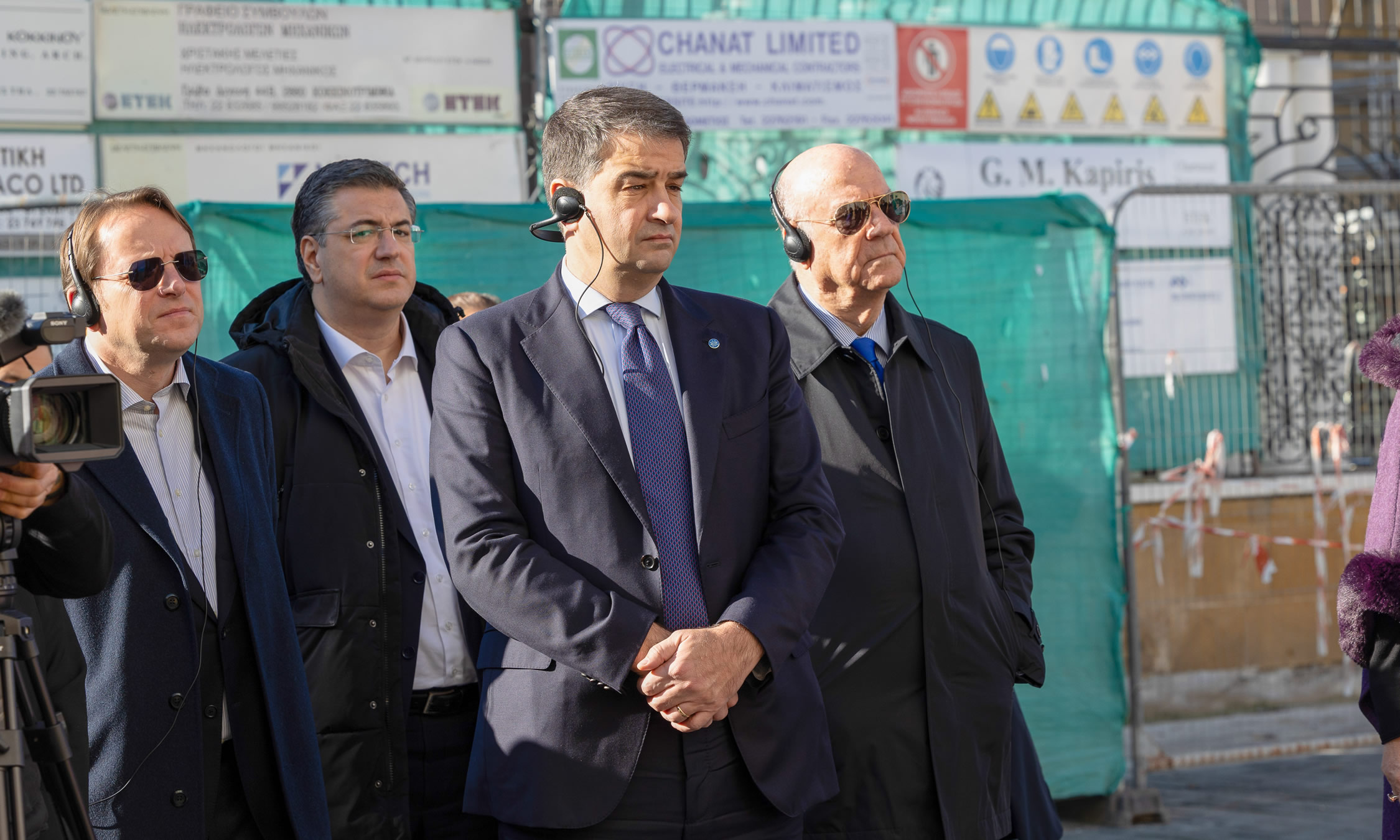
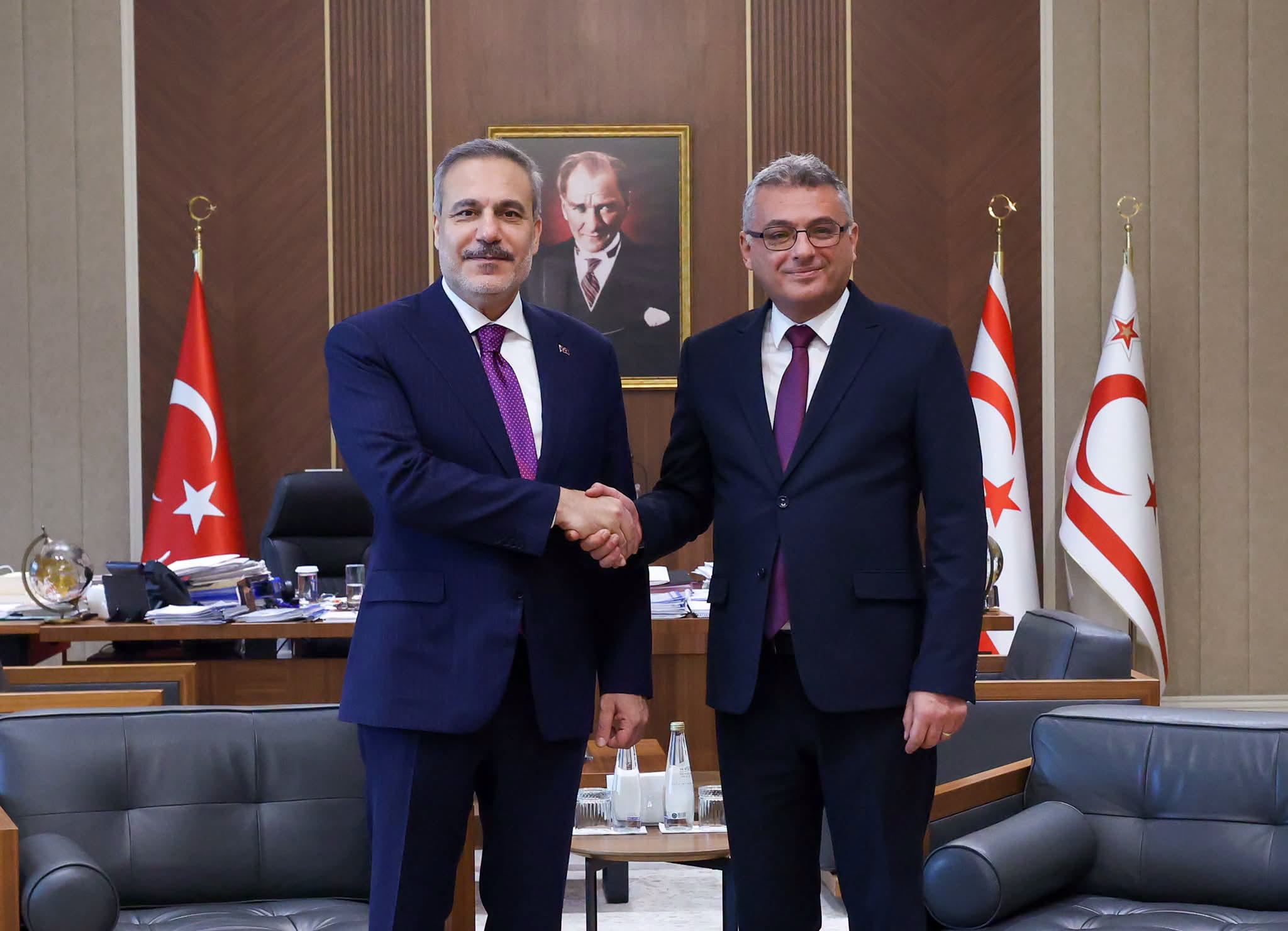
While the two sides on Tuesday talked up the prospect of progress at the upcoming trilateral with UN Secretary-General António Guterres, attention has turned to this Friday’s meeting in Ankara between EU Special Representative Raffaele Fitto and Turkish Foreign Minister Hakan Fidan.
The two leaders’ small package of measures announced last week has set in motion a final push for progress that could lead to agreement on resuming peace talks before Guterres leaves office. Or it could fizzle out, leaving the UN chief’s successor in a quandary as to what to do with Cyprus, home of the third-oldest active UN mission after the Middle East and Kashmir.
More crossing points
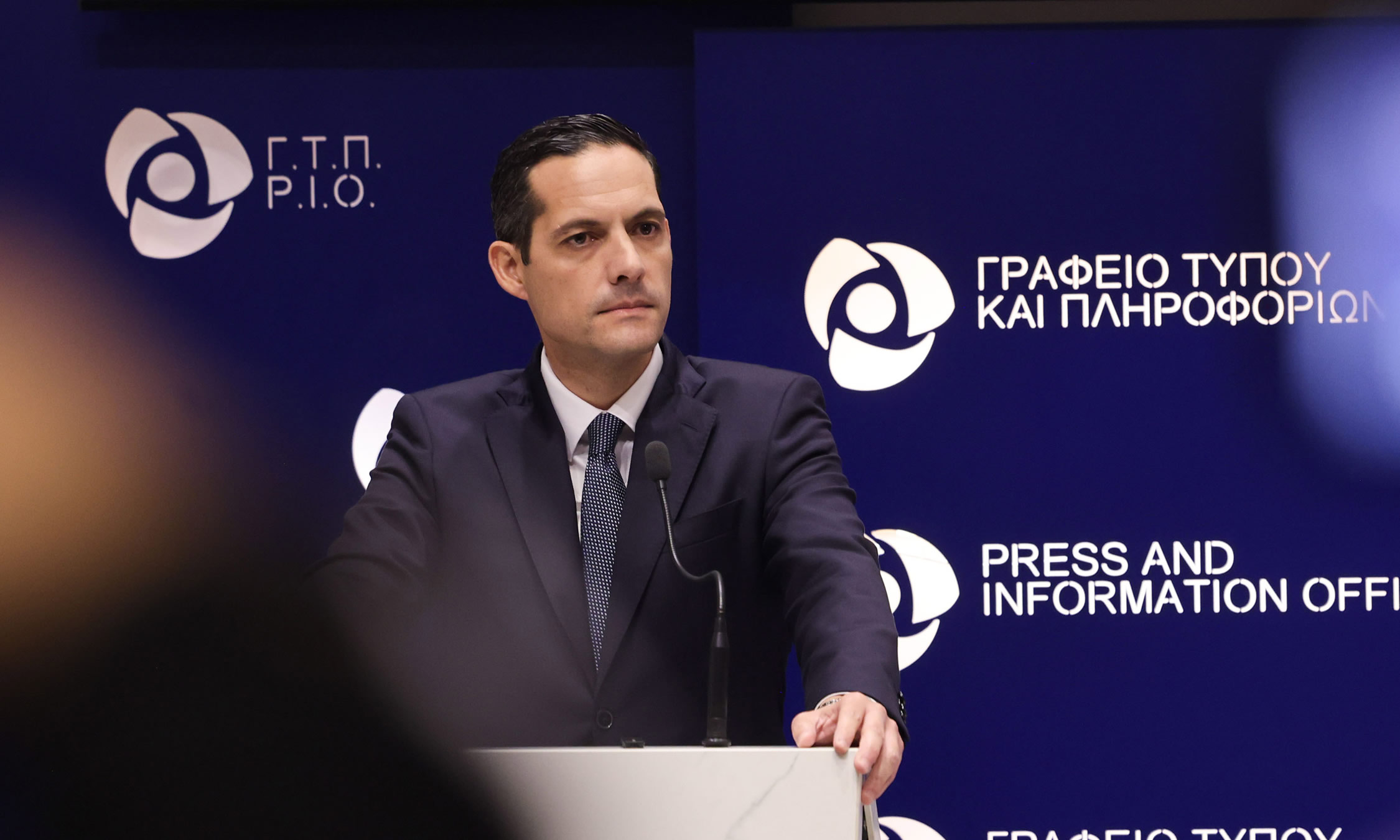
Government Spokesman Konstantinos Letymbiotis suggested on Tuesday that President Nikos Christodoulides and Turkish Cypriot leader Tufan Erhürman could announce the opening of two more crossing points at Athienou-Pyroi-Aglandjia and Mia Milia even before their meeting with Guterres or at the trilateral.
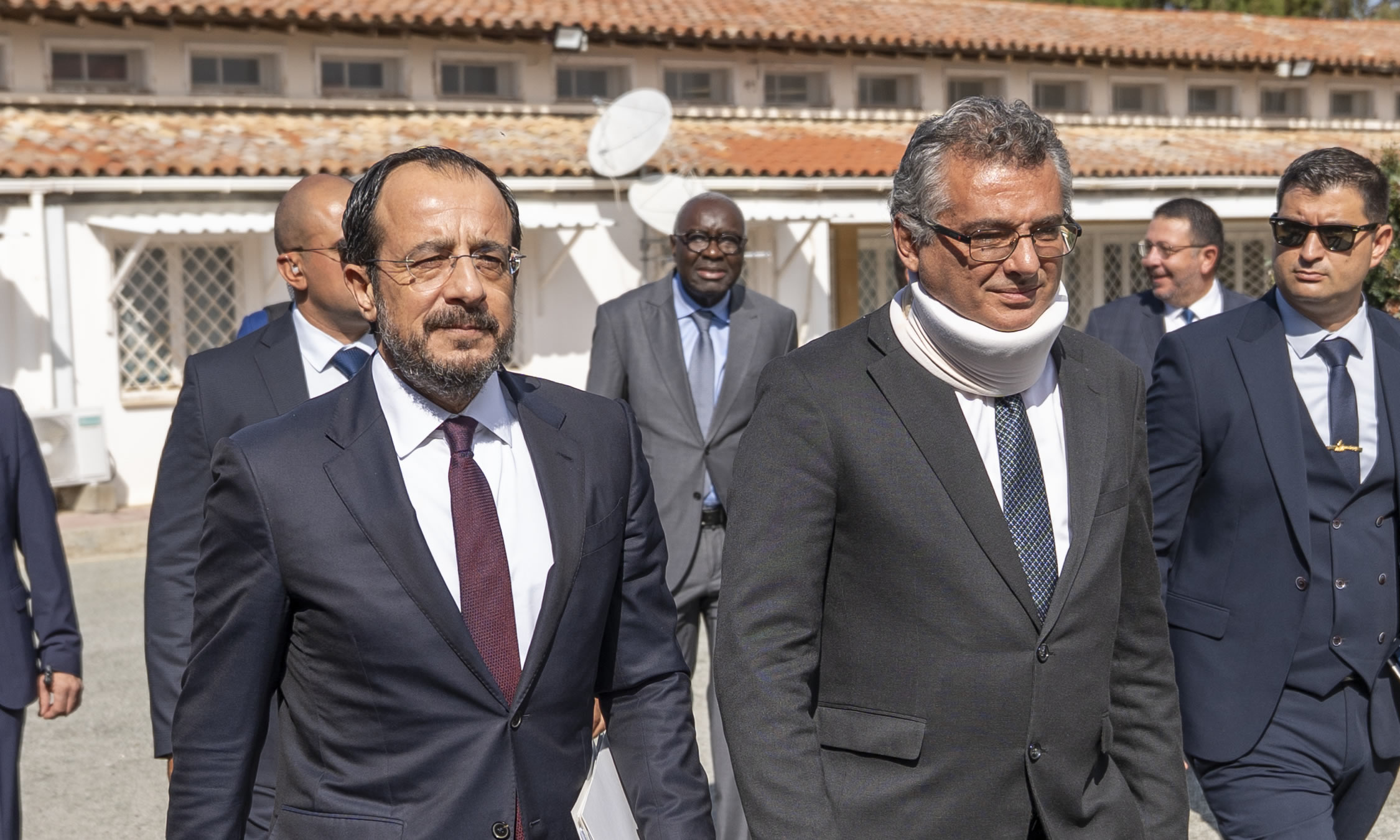
The two negotiators met yesterday but no date was set for the next leaders’ meeting. A date for the trilateral remains in the air too, though 26-27 November is ruled out due to a European Council summit.
The real question is not so much the number of crossing points opened but whether negotiations will begin after nine years without, and how those talks will be conducted to ensure they reach their intended goal.
Rules of the game
With Guterres, the leaders will be expected to clarify how flexible, constructive and inventive they wish to be in setting the ‘rules of the game’. How will they address Erhürman’s demand for pre-negotiations clarity on political equality? How will they meet Christodoulides’ demand to resume negotiations from where they left off in Crans-Montana, using past convergences as a basis to launch talks? What ways can they find to assuage the Turkish Cypriot leader’s concerns about being left high and dry by the Greek Cypriots in the event the latter reject another solution plan? How can they prepare the ground to address deep-seated concerns over security and guarantees?
After almost a year of discussions between Christodoulides and Erhürman, it seems increasingly clear that for them to make headway on the above, they will first need to see some light at the end of the tunnel.
That light could come in the form of Ankara changing its official stance in favour of a two-state solution and putting its considerable weight behind the resumption of talks.
Hence, attention turns to Fitto’s meeting this Friday with Fidan.
Parallel talks on Customs Union and Cyprus Issue
Letymbiotis confirmed that the meeting in Ankara will address the link between progress in upgrading the EU-Turkey customs union and on the Cyprus issue, noting that the EU has made it very clear one depends on the other.
“Whether Turkey is willing to proceed or not will become evident from how highly it prioritises progress in this discussion on strengthening its relations with the EU,” he said.
In terms of the parallel progress in mind, the spokesman clarified that if negotiations on the Cyprus issue resume from where they were interrupted at Crans-Montana, “then we will, of course, consent to progress in EU-Turkey relations and to the launch of discussions on Turkey’s Customs Union, which have been stalled for years.”
‘Rotating presidency proves power sharing intent’
Meanwhile, speaking on Genç TV, Erhürman reiterated that talks cannot move forward without political equality and a rotating presidency as the Turkish Cypriot side would never accept becoming a minority. This issue should not be deferred until the last night of negotiations, he argued, noting that both he and Ankara agree that the main obstacle to a solution is Greek Cypriot reluctance to share power and resources.
Erhürman also referred to increased discussion by the UN on his proposal for a transition period, which would see an agreement enter into force before referendums are held so that if the Greek Cypriots vote ‘no’ again, the rights acquired during the transition period would be preserved.
On prospects of success in the trilateral with Guterres, the Turkish Cypriot leader said the odds were tipped slightly in favour of achieving a result, giving it a 51-49 chance.