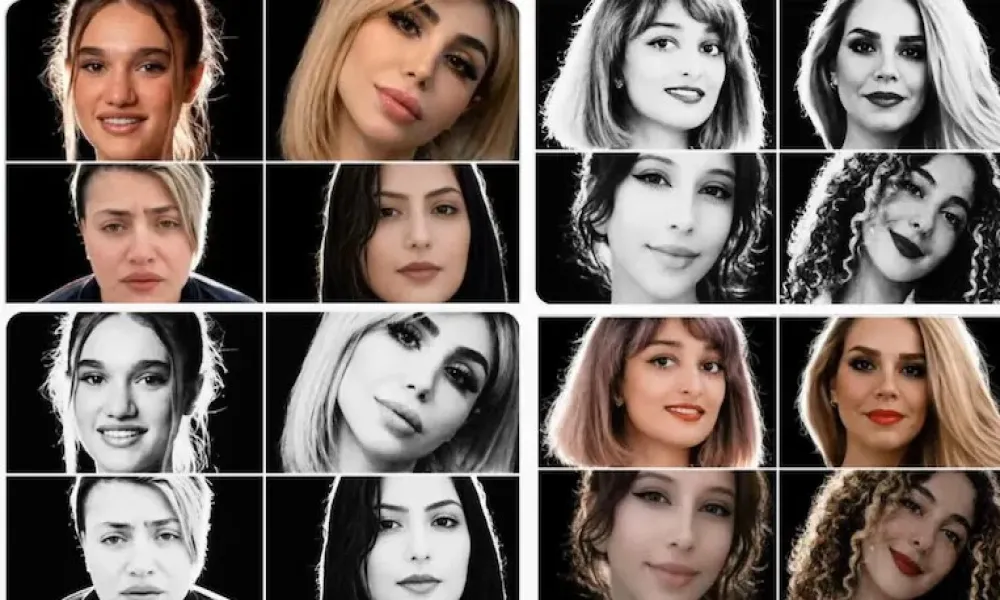
Eight young women in Iran are facing potential execution following their involvement in anti-government protests, prompting growing international concern and political intervention.
The women, who come from varied backgrounds including students, journalists, artists and mothers, have been handed severe sentences on charges related to national security. The youngest is reported to be just 22 years old.
Particular attention has focused on the case of 30-year-old Bita Hemmati, believed to be the first woman sentenced to death in connection with the wave of protests that erupted in Tehran in January. Authorities accuse her, along with her husband and close associates, of actions deemed a threat to state security and of cooperating with foreign actors.
Similar charges have been brought against 37-year-old doctor Golnaz Naraghi, who was arrested during demonstrations and transferred to Qarchak prison, a facility widely criticised for its harsh detention conditions.
The cases have triggered strong international reactions, with human rights organisations warning of serious violations and calling for transparency in judicial proceedings, as well as safeguards for the accused.
Trump calls for intervention
In a direct appeal, Donald Trump urged Iranian authorities to refrain from carrying out the executions, linking the issue to ongoing diplomatic efforts.
“Please do not harm them,” he said in a public message addressed to Iran’s leadership, suggesting that their release would mark “an excellent start” to forthcoming negotiations.
He indicated that the outcome of the cases could have wider implications for talks expected to take place in Islamabad, warning that executions could jeopardise the fragile diplomatic process just hours before the end of a temporary ceasefire.
Iranian authorities, however, maintain that the accused were involved in armed actions against the state, a claim disputed by rights groups monitoring the situation.
Source: huffingtonpost.gr