
"No Mirrors Left in Gaza" Explores Home and Survival Amid War

Header Image

Irish artist Miriam McConnon's new exhibition examines how families in Gaza strive to preserve a sense of home, dignity and memory amid war and displacement.

A new exhibition by Irish artist Miriam McConnon, titled "No Mirrors Left in Gaza", is being presented at the Olivier Cornet Gallery in Dublin, highlighting a less visible aspect of the war in Gaza: the efforts of families to preserve a sense of home, safety and dignity amid conflict and displacement.

The exhibition opens on 30 August at 3pm, with the opening event led by Palestinian poet Alaa Alqaisi, a PhD candidate at Trinity College Dublin. It will remain on view until 27 September.

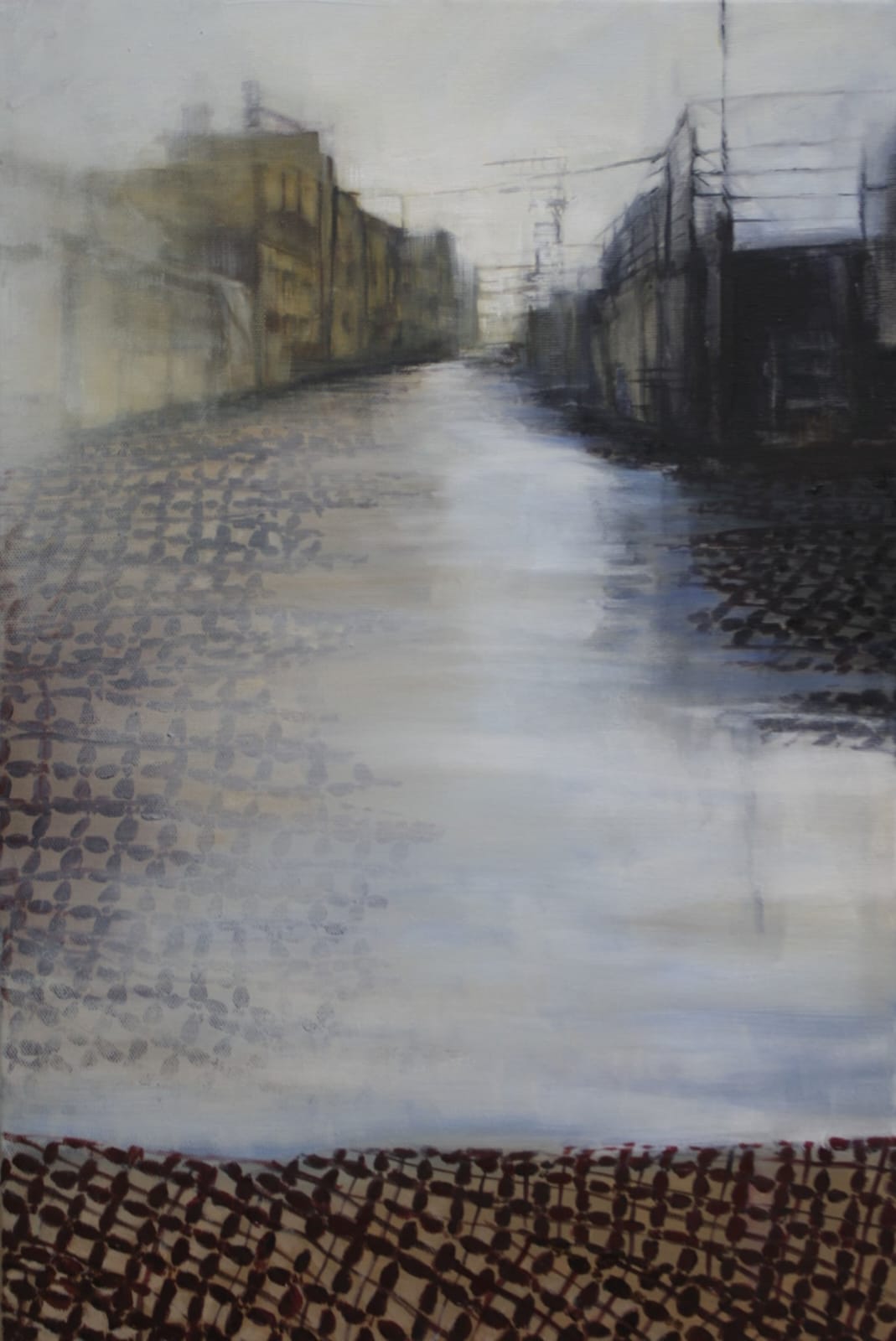
McConnon's latest body of work has been shaped by her correspondence with families in Gaza over the past two years. According to the gallery, the exhibition focuses on the "soft" space of domestic life, a space that continues to resist the harsh realities of war even in conditions of extreme violence.

Home as an act of resilience

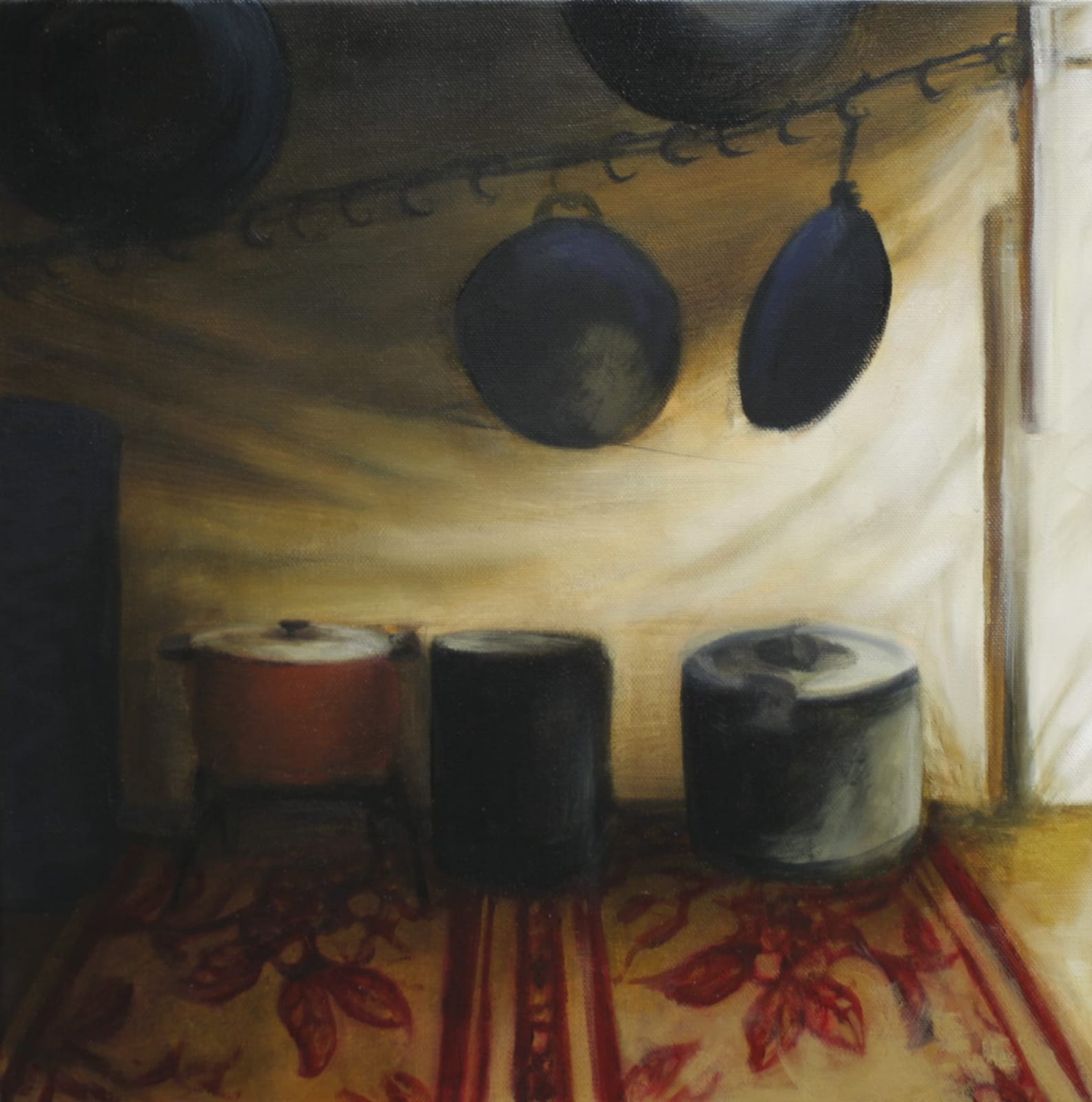
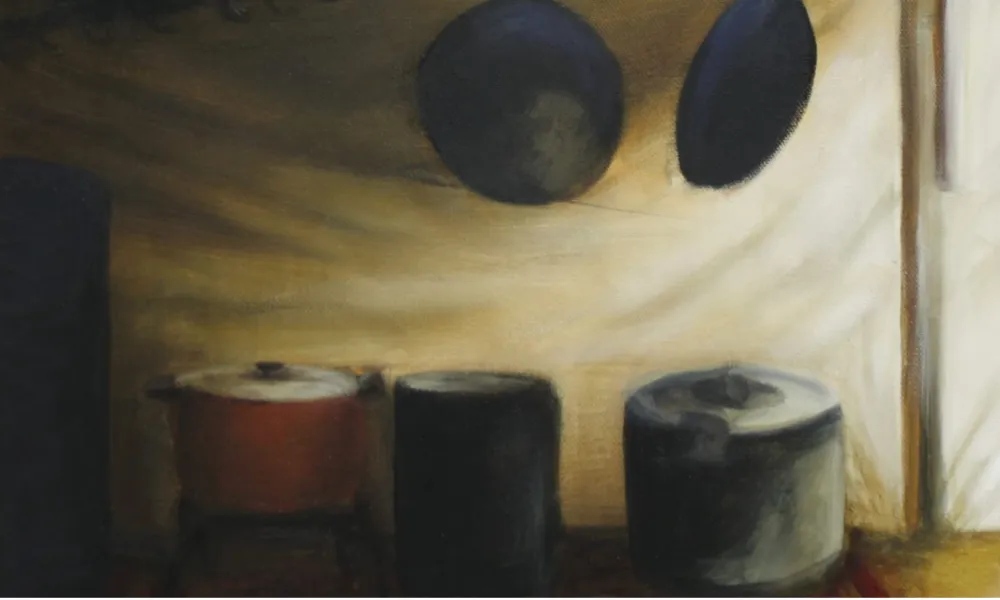
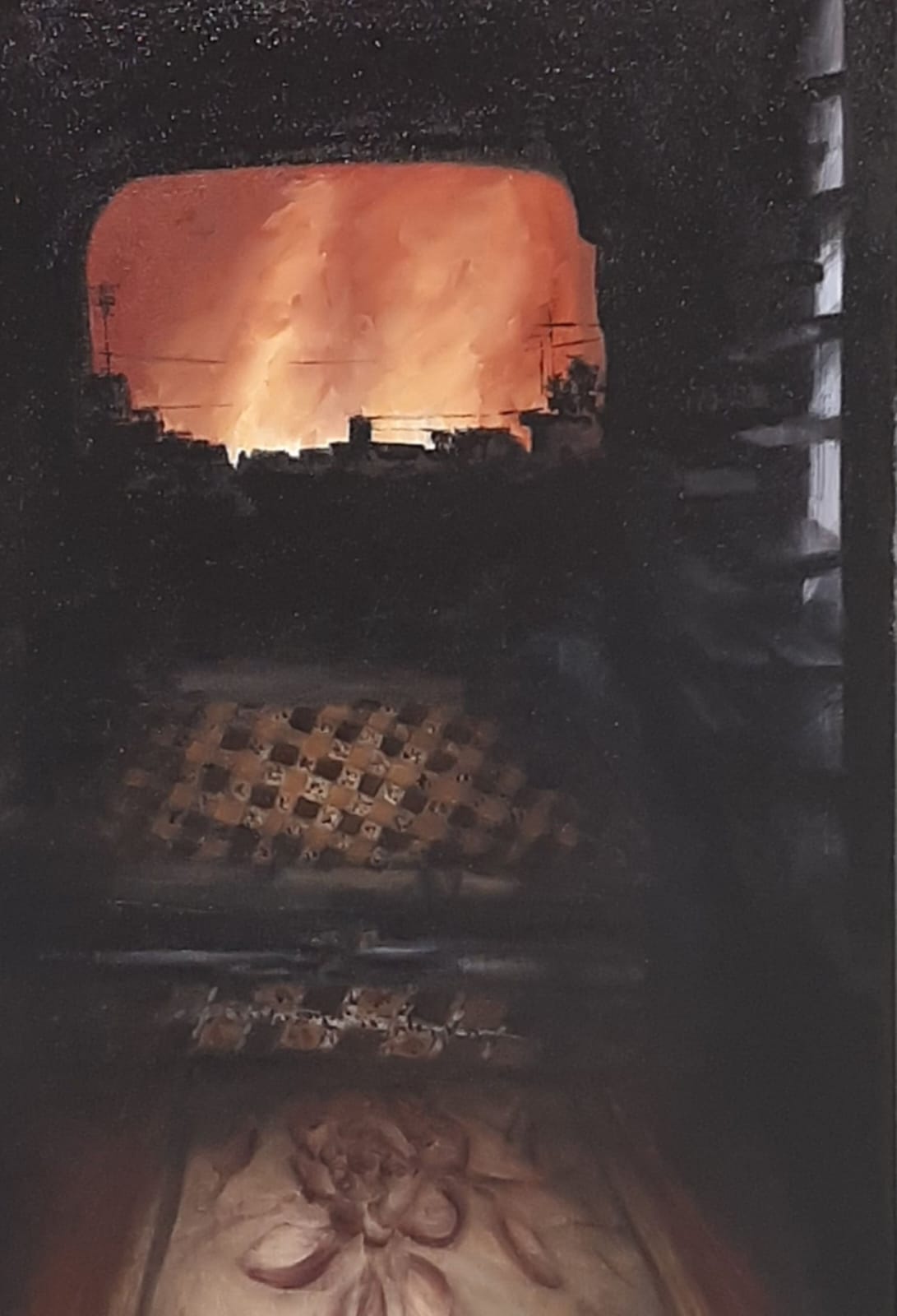
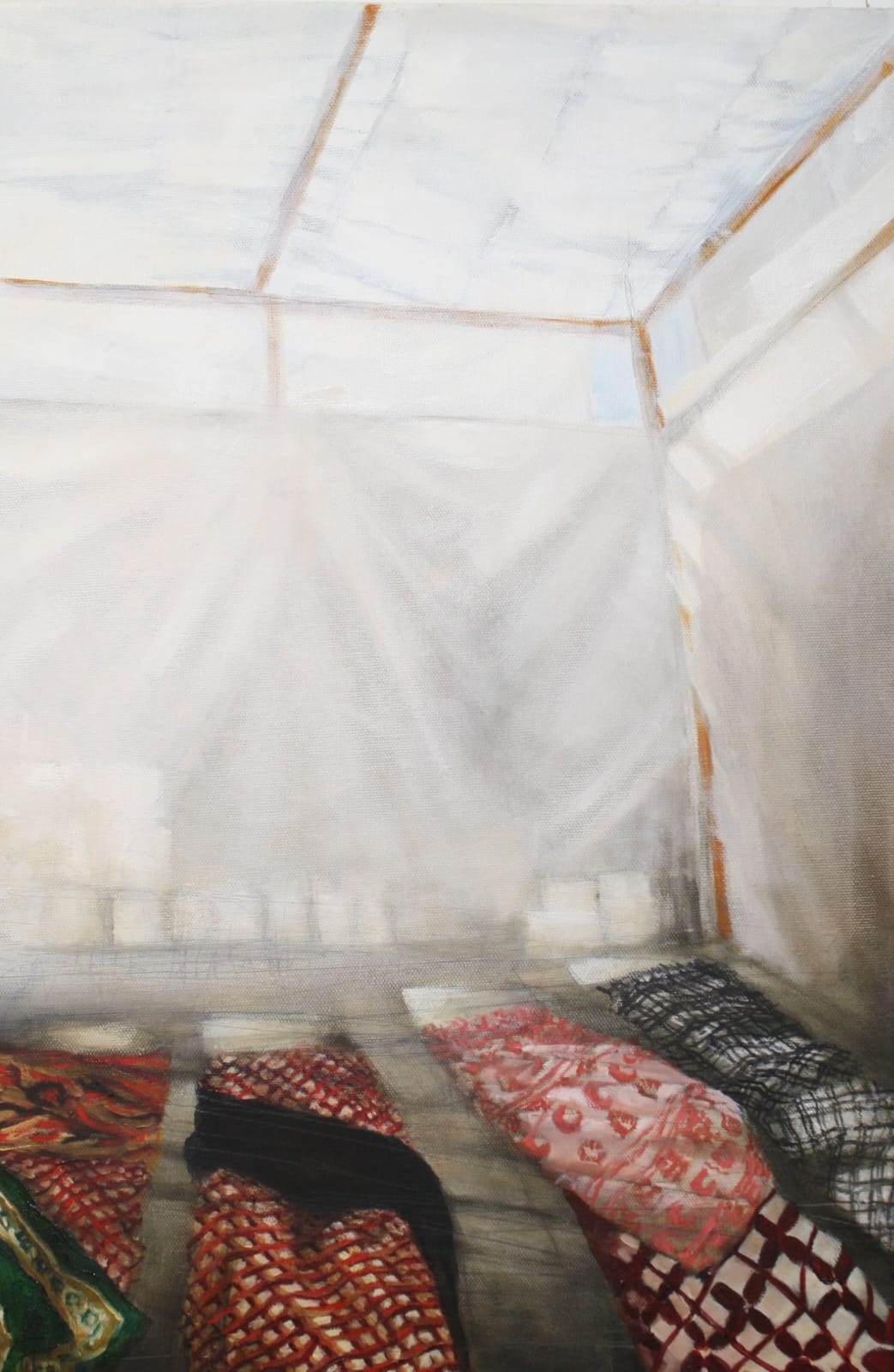
Through her paintings, McConnon depicts temporary shelters attempting to remain homes.

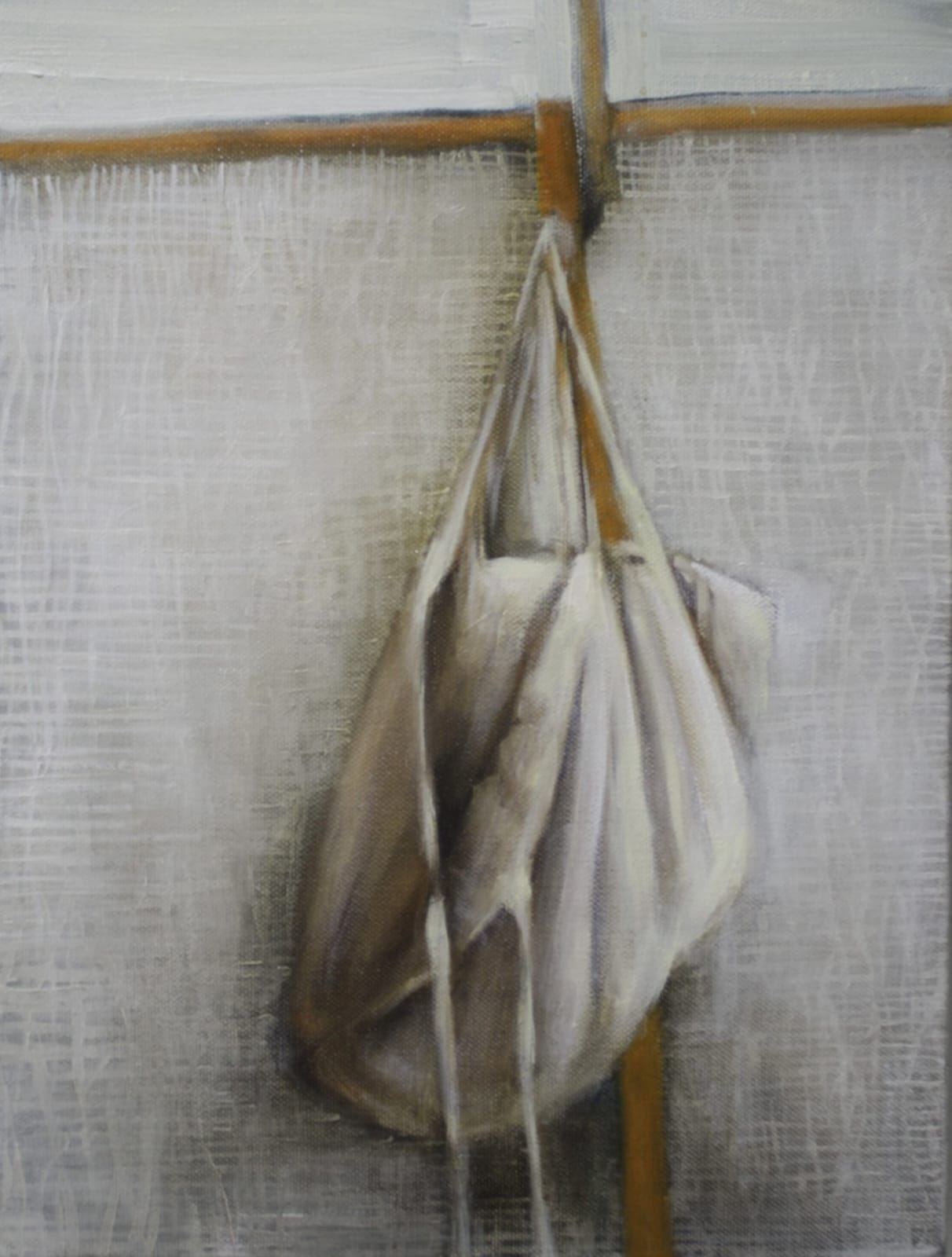
Everyday objects that families have managed to keep acquire a new and almost invaluable significance. Motifs and details drawn from personal belongings are incorporated into the artworks, preserving the presence and memory of the people who once owned them.
 

Article image
Article image
Article image
Article image
Article image
Article image
Slide 1 of 6


Symbolic children's garments

A particularly striking element of the exhibition is an installation featuring two children's garments displayed in the gallery windows.

The small jackets are made from medical gauze, a material whose name is etymologically linked to Gaza and which is commonly used for dressing wounds.

McConnon transforms the fragile material into a symbolic "Baby Armour", intended as an artistic reference to children killed during the war in Gaza.

Linking displacement and history

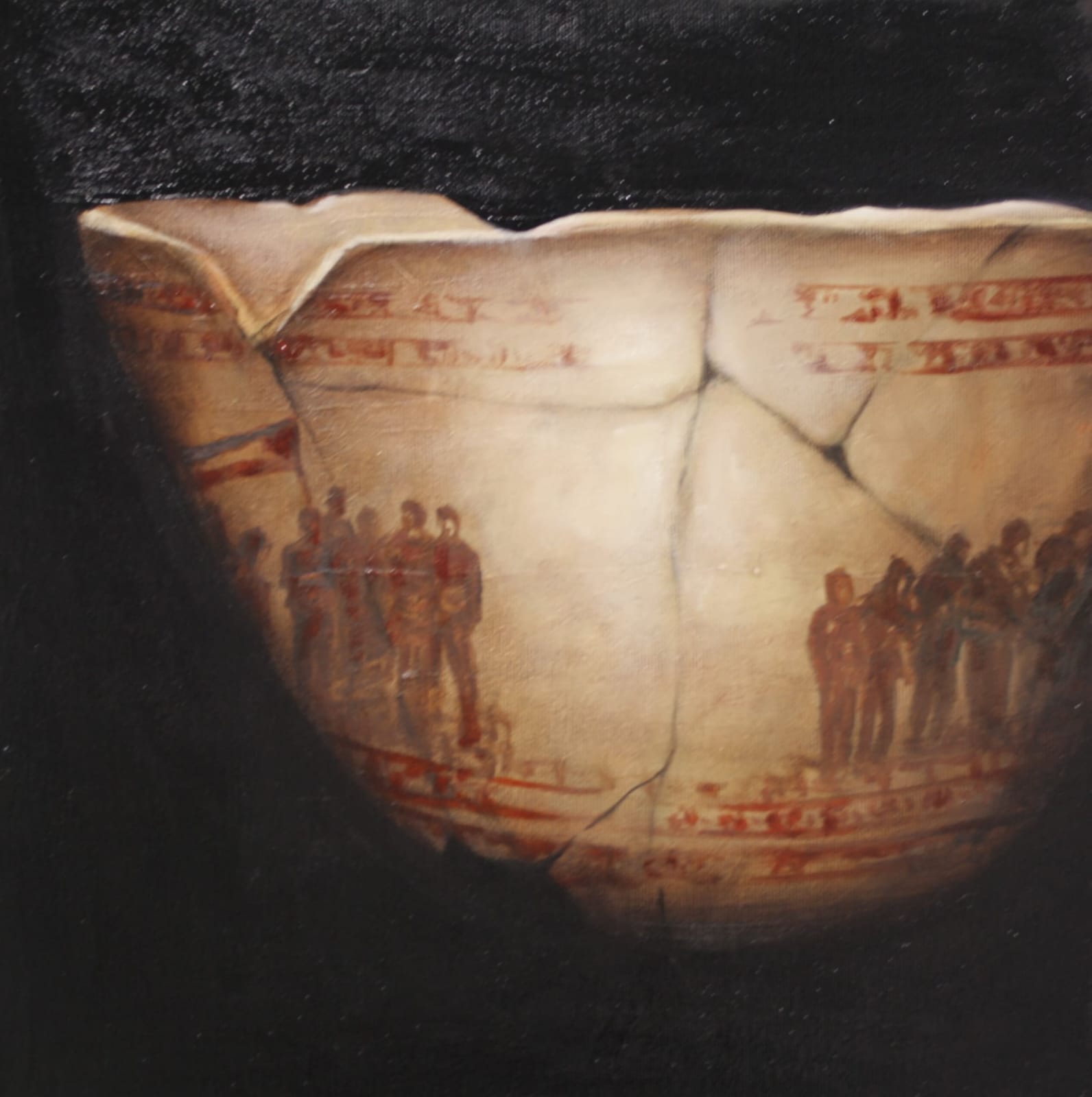
The artist also turns to what she describes as the archaeological record of war through a series of ancient-style vessels portraying displaced Palestinian families.

In this way, the contemporary experience of displacement is connected to historical memory and the effort to preserve human presence across time.

While the history of war is often recorded through battles, victories and defeats, McConnon's work seeks to document a different story: that of everyday survival.

A record of daily life

The exhibition presents the home, even when temporary, as a final refuge of safety, memory and dignity.

With "No Mirrors Left in Gaza", Olivier Cornet Gallery highlights the power of domestic space during a period of war, hunger and destruction.

McConnon's works function as a form of artistic documentation and archiving of a dimension of the conflict that often remains overlooked: the lives of people striving to continue living, remembering and maintaining a sense of home even when it has almost ceased to exist.

TAGS