
A series of allegations, investigations and political tensions are fuelling debate in Cyprus over the integrity of its institutions, following recent claims about the possible existence of organised networks influencing public life.
Attention has focused in part on the role of Attorney General Giorgos Savvides, who has overseen a number of high-profile cases involving members of the clergy. These include prosecutions linked to former Bishop of Kition Chrysostomos, the reopening of a case concerning Morphou Bishop Neophytos over alleged breaches of Covid-19 restrictions, and legal proceedings involving the Metropolitan of Tamasos. Cases connected to the Avvakoum Monastery have also reached the courts.
Inaction for years
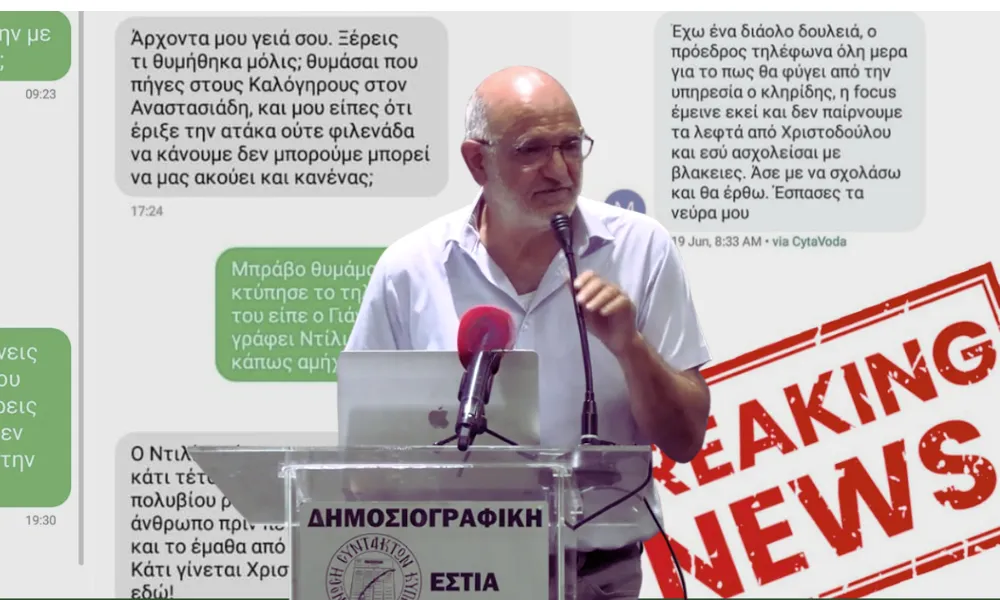
At the same time, public interest has intensified around a figure known as “Sandy” (Kyriaki), following reporting by journalist Makarios Drousiotis. According to statements by lawyer Nikos Clerides, his client has been unwilling to speak to police but may address a European authority such as GRECO, the Council of Europe’s anti-corruption body. Clerides confirmed he had been in possession of her material since 2019 and had shared it with selected journalists, a lawyer, and his brother, former Attorney General Costas Clerides.
Despite this, no apparent action was taken for several years. Reports suggest that by 2022, information had also reached then President Nicos Anastasiades. The broader question now, observers say, is whether allegations of a coordinated network influencing political and judicial decisions will be formally investigated.
Rift in legal camps
Separately, long-standing rivalries within Cyprus’s legal community have resurfaced. Tensions between prominent legal circles in Nicosia date back years, with public accusations in 2018 alleging close alignment between certain judges and law firms in handling major financial cases. The fallout from the banking crisis and the collapse of Laiki Bank further intensified competition, including disputes over influence within the Central Bank.
Justice Minister Costas Fytiris has called for a swift investigation into the claims, stressing the need to clarify the situation and avoid speculation. However, he also faces criticism over comments suggesting that some published material may be fabricated, with concerns raised that such statements could undermine the credibility of any inquiry.
As for the next steps, police may seek testimony from both “Sandy” and lawyer Nikos Clerides, while reports indicate that financial records could be examined if sufficient evidence emerges. However, sources caution that the process is complex, requiring verification of the material and judicial approval before any further action can be taken.
Changes
Meanwhile, developments in Greece have added to the broader political climate. The government of Kyriakos Mitsotakis is facing pressure following a scandal involving the agricultural payments organisation OPEKEPE. Several ministers and a deputy minister resigned after their names were linked to the case, while questions remain over the potential involvement of ruling party MPs.
Beyond the political and legal sphere, energy developments are also shaping the national agenda. The ExxonMobil–QatarEnergy consortium has declared the “Glaucus” and “Pegasus” gas fields in Block 10 commercially viable, adding to Cyprus’s existing discoveries. While this opens the way for future exploitation, officials note that timelines and revenues remain uncertain, given technical challenges and market conditions, particularly reliance on exports to Egypt.
Polling trends ahead of upcoming elections indicate shifting political dynamics. Based on ongoing polling, two parties are showing an upward trend. Democratic Rally (DISY) is in first place, posting a slight increase due to higher voter consolidation. In second place is Direct Democracy, with Fidias Panayiotou’s party now even threatening ELAM for third place. Direct Democracy’s videos—featuring Fidias responding to Kareklas—have gone viral and, it appears, are drawing votes, particularly from younger voters.