
Cyprus has recorded a significant reduction in serious cyclist injuries over the past decade, according to a new European road safety report, placing it among the top-performing countries in improving cycling safety.
The findings come from the latest report by the European Transport Safety Council (ETSC), titled Improving Cycling Safety in Europe (PIN Flash 50), published on Tuesday.
Between 2014 and 2024, serious cyclist injuries in Cyprus fell by an average of 7% per year, marking the largest decrease among the countries analysed. Cyclists also accounted for 5% of all road deaths in Cyprus between 2022 and 2024, compared with an EU average of 10%.
Across the European Union, however, progress remains uneven. In 2024, a total of 1,926 cyclists were killed on EU roads. Over the past decade, cyclist deaths declined by just 8%, equivalent to an average annual reduction of 0.5%. This is significantly slower than the 2% annual decline recorded among motor vehicle users.
Cyclists now represent around one in ten road fatalities in the EU, with the report warning that this share could rise without further action.
At the same time, serious cyclist injuries across Europe increased by 12% over the same period. Hospital data suggests the true scale may be far higher, as in several countries fewer than 10% of such incidents are recorded by police.
Collisions and risk factors
The report shows that 65% of cyclist deaths involve collisions with motor vehicles, most commonly passenger cars. A further 28% occur without another vehicle, typically involving falls or impacts with fixed objects.
Speed is identified as a critical factor. The risk of death for a cyclist struck at 50 km/h is significantly higher than at 30 km/h, underscoring the importance of lower speed limits in urban areas.
The ETSC also highlights the need for improved infrastructure, including segregated cycle lanes and safer junction design, which can reduce both collisions and single-vehicle accidents.
E-bikes and ageing cyclists
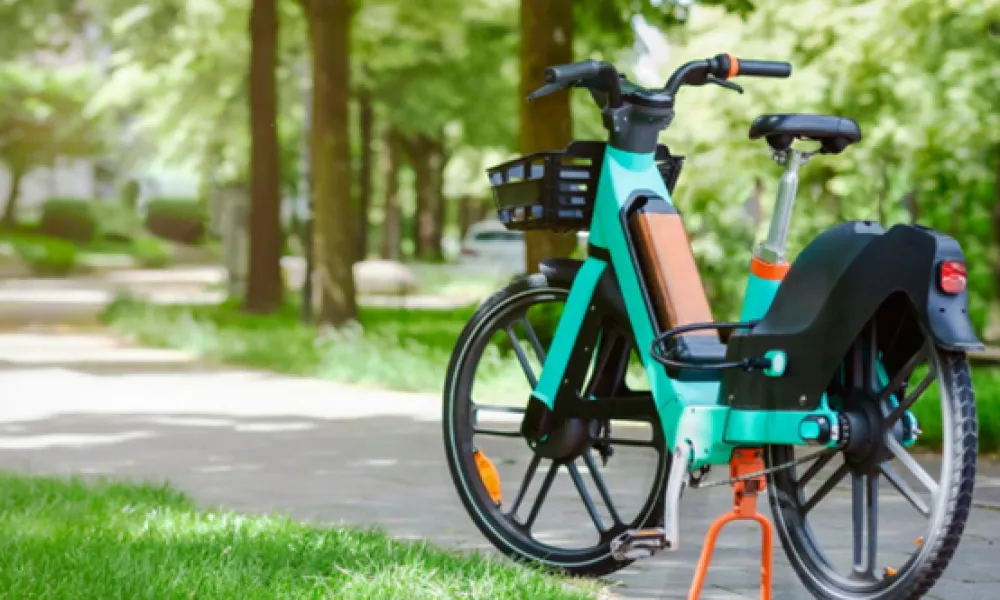
Particular concern is raised over the growing use of electric bicycles. In all countries where data is available, deaths among e-bike users are rising, even where fatalities among traditional cyclists are declining. In 2024 alone, 455 e-bike users were killed across 16 EU countries.
Older cyclists face a disproportionately high risk, especially those aged over 80. Men account for roughly 80% of all cyclist fatalities, a trend attributed to higher exposure and risk-taking behaviour.
Policy gap highlighted
Despite policies promoting cycling for environmental and health reasons, the report points to a clear mismatch between these goals and current safety conditions.
While helmet use can significantly reduce the risk of serious injury, the report stresses that responsibility for safety lies primarily with road design and traffic regulation.
To meet the EU’s target of halving road deaths by 2030, cyclist fatalities would need to fall by 6.5% annually, a rate thirteen times faster than current progress.
The ETSC calls on governments and EU institutions to accelerate safety measures, warning that without decisive action cyclists will remain among the most vulnerable road users in Europe.
Source: CNA