Cities are not only transforming how people live, but also how animals behave. From pets to urban wildlife, life in densely populated environments is reshaping how animals interact, communicate and respond to their surroundings.
A large-scale review by researchers at Bielefeld University found that urbanisation has a significant impact on animal social behaviour, highlighting how human activity is altering natural dynamics between species.
Constant exposure to urban stressors
Urban environments introduce a range of pressures that animals would not typically encounter in natural habitats. Traffic noise, artificial lighting and limited green space create what researchers describe as “urban stressors”, which can influence behaviour and interaction.
Noise, in particular, can interfere with communication. Many species rely on sound to attract mates, warn of danger or maintain social bonds, and constant background noise can disrupt these signals.
Changes in social interactions
Social behaviour, including cooperation, competition and mating, is particularly sensitive to environmental change. The review found that urban conditions can alter how animals form groups, compete for resources and interact with one another.
In some cases, animals become more tolerant of close proximity to others, including humans. In others, increased pressure can lead to more defensive or aggressive behaviour, depending on the species and conditions.
Adapting to shared spaces
As natural habitats shrink, animals in cities are often forced to share limited space. This can lead to new forms of interaction, both within species and between different species.
Some animals adapt by becoming more flexible in their behaviour, adjusting feeding patterns or activity times. Others struggle to cope with the pace and density of urban life.
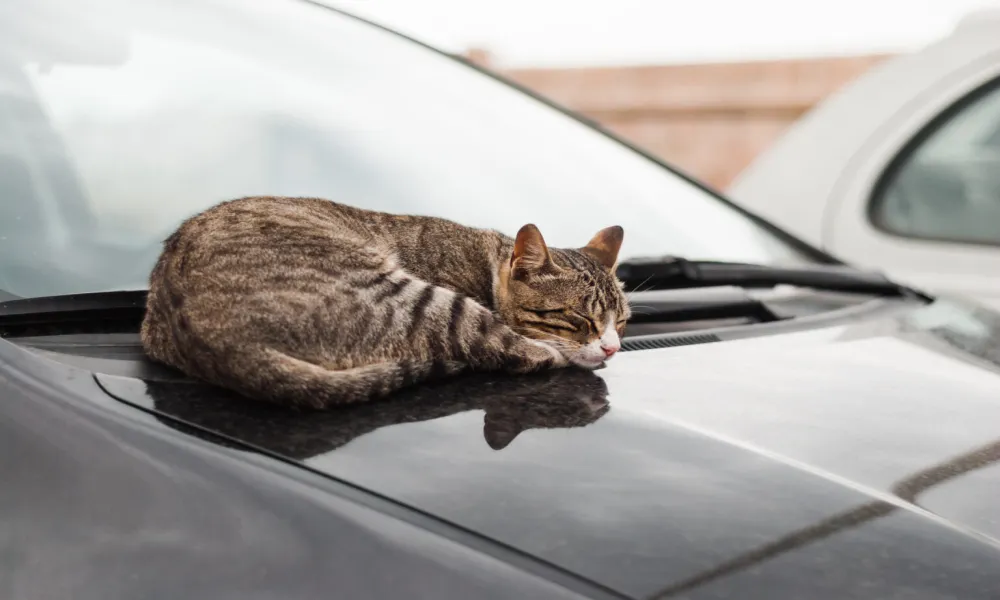
Observations shared on social media also illustrate how some species adapt to urban environments, using buildings and infrastructure in ways that mirror natural habitats.
Uneven effects across species
Not all animals respond to urbanisation in the same way. More mobile species may avoid heavily built-up areas, while others become increasingly dependent on urban environments.
Research also shows that some groups, such as birds, are studied more extensively than others, meaning that the full impact on different species is not yet fully understood.
Implications for pets
For pets, particularly dogs and cats, urban living can influence behaviour in similar ways. Limited space, frequent exposure to noise and structured routines can affect how animals respond to stimuli and interact with their environment.
Providing regular exercise, mental stimulation and stable routines can help pets adapt to city life and reduce stress-related behaviours.
A changing relationship
As cities continue to expand, the relationship between animals and human environments is becoming more complex. The findings suggest that urban planning and conservation efforts may need to take animal behaviour more closely into account.
Understanding how animals adapt to city life is not only important for wildlife, but also for improving the wellbeing of pets that share these environments.