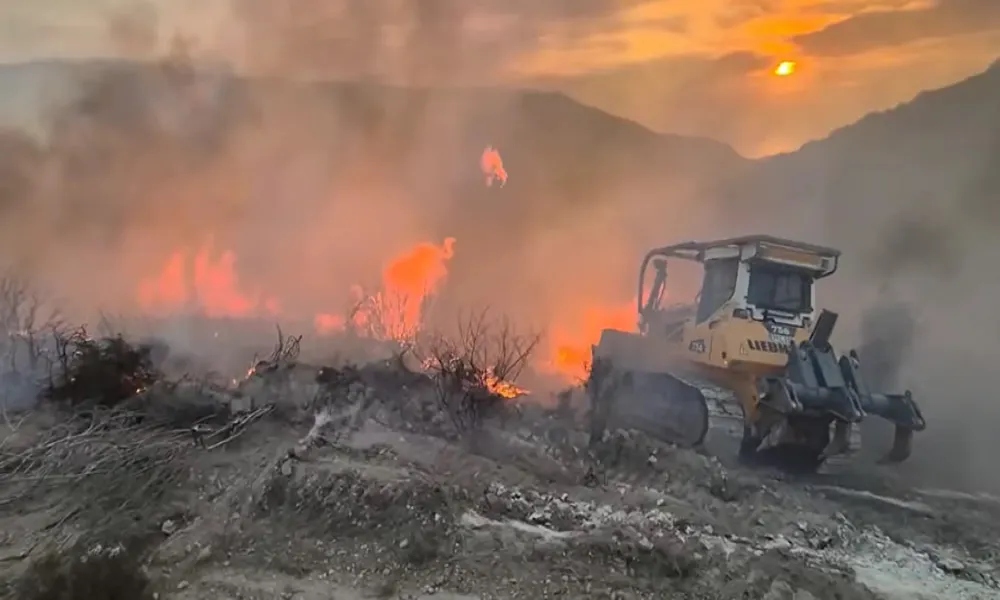

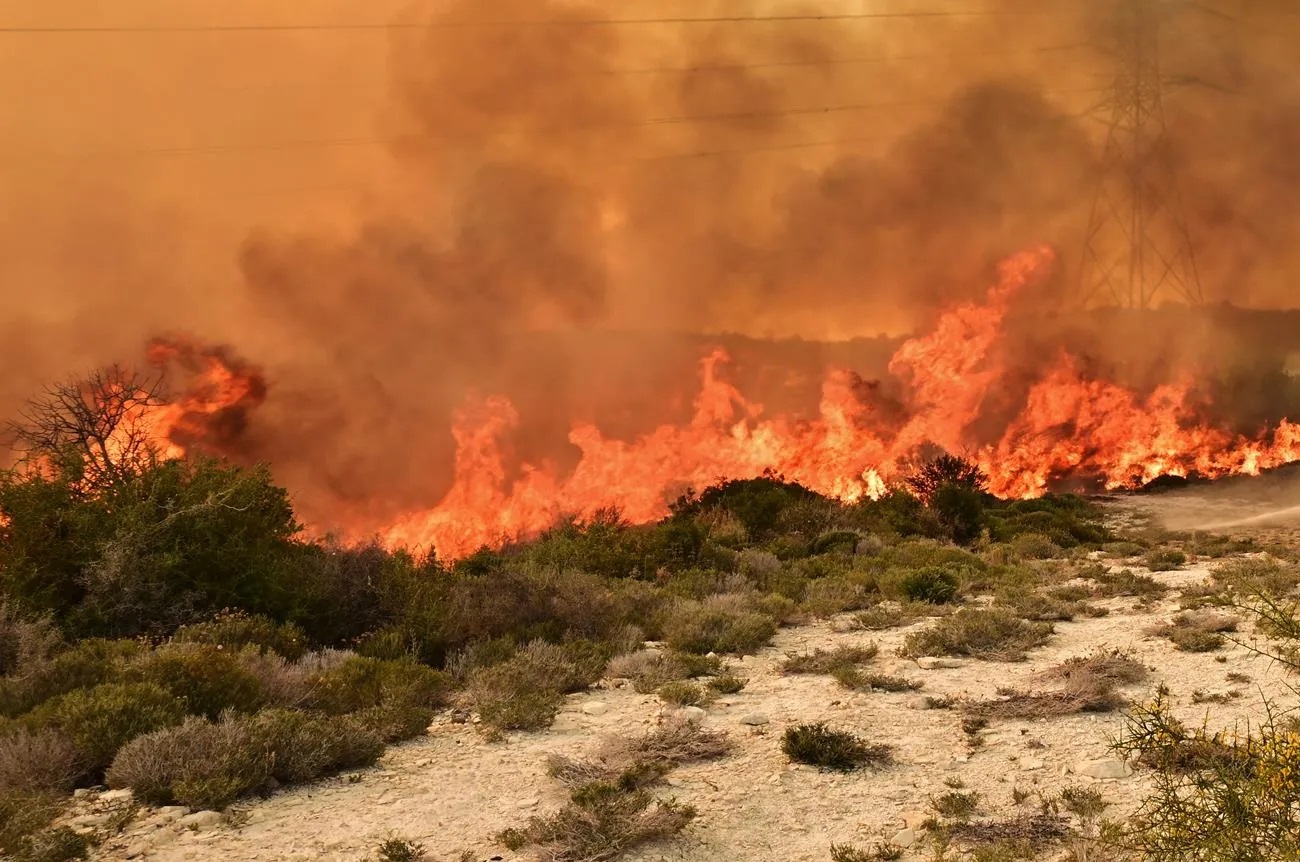
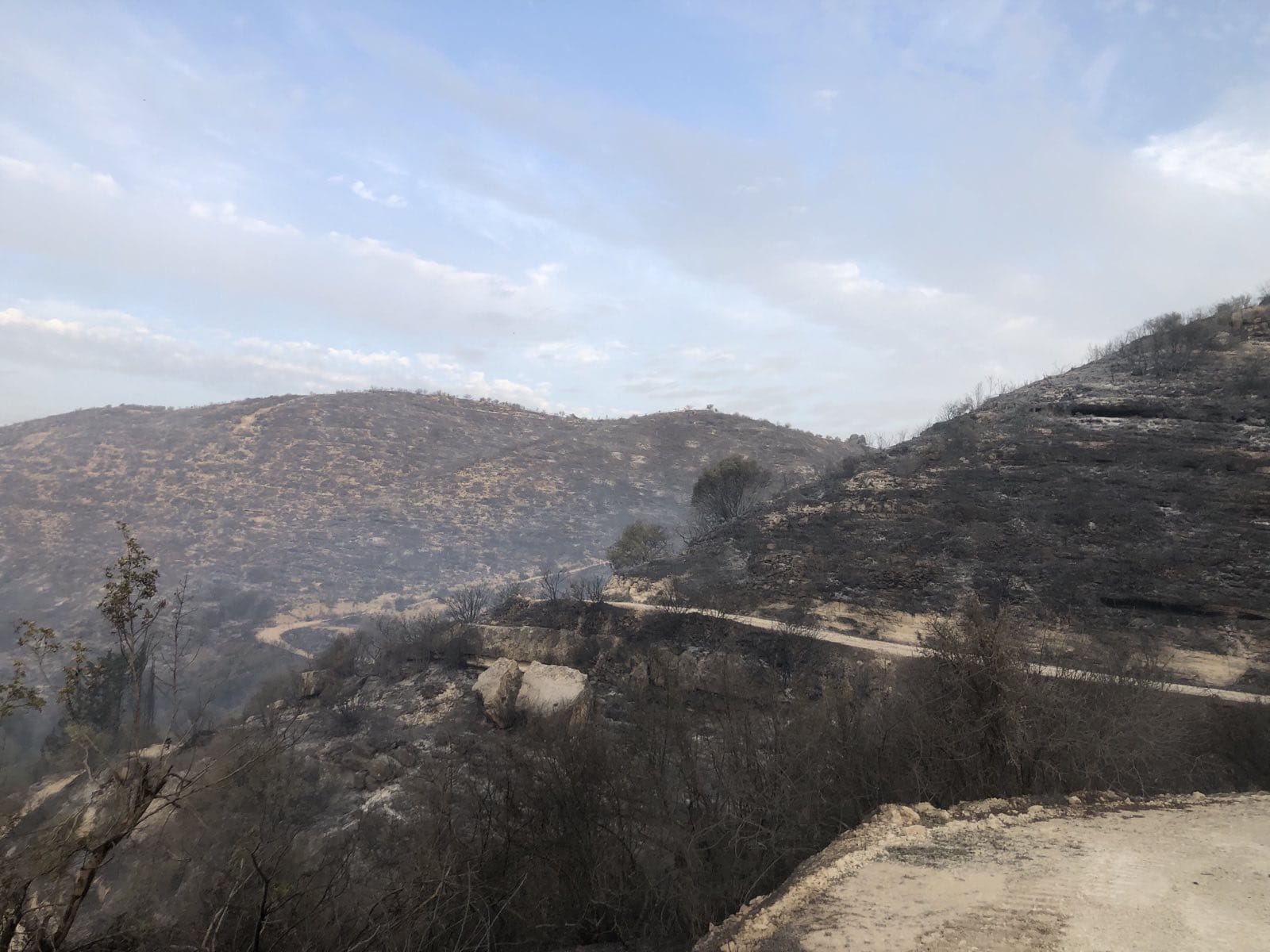
A joint report by three committees of the House of Representatives details serious shortcomings in the state response to the wildfires of 23 July 2025 in mountainous Limassol and Paphos. The fires left two people dead, destroyed dozens of properties and burned approximately 1.3% of the island’s territory.
Context and scope of the report
The Parliamentary Committee on Internal Affairs, the Parliamentary Committee on Agriculture and Natural Resources and the Parliamentary Committee on the Environment underline that the management of wildfires constitutes a matter of the highest importance for Cyprus, with serious consequences for the environment, society and the economy.
- Effective prevention, preparedness and suppression of wildfires is described as an urgent national priority.
- During the parliamentary discussion, serious weaknesses and deficiencies were identified in the existing wildfire management mechanism.
- The committees also recorded significant contradictions between public statements made by ministers and officials in the days after the fires and the positions they later expressed before parliament.
- In some cases, officials refused to answer questions that were repeatedly raised by members of parliament.
Delayed response and operational timeline
One of the key issues raised concerns the time of the first response to the fires.
- The first response occurred 15 minutes after the incident, rather than six minutes as had initially been publicly stated.
- The first attempt to control the fire was carried out with rudimentary firefighting means by a neighbouring community.
According to evidence submitted by the Cyprus Fire Service:
- A call reporting a fire in dry grass on the road from Malia to Arsos was received through a private telephone at 13:28.
- According to the Chief of the National Guard, the order to activate aerial firefighting means was given at 13:49.
- The first aerial water drop took place at 14:18.
This means that 50 minutes passed between the detection of the fire and the first aerial intervention.
Road closure and police responsibility
The Cyprus Police had responsibility for closing roads, according to a response given by the former Minister of Justice and Public Order to the Chair of the Parliamentary Committee on Internal Affairs.
- The Chief of Police did not provide explanations as to why the road where two citizens lost their lives was ultimately not closed.
- Instead, he referred to an internal investigation by the Cyprus Police.
Position of the Minister of Agriculture
The report records criticism of the Minister of Agriculture, Rural Development and Environment regarding the handling of questions during parliamentary scrutiny.
- The minister systematically avoided answering substantive questions from committee members and other MPs.
- According to the report, she attempted to shift responsibility for coordination to the Chief Fire Officer of the Cyprus Fire Service.
The committees also raised the issue of the absence of the Director General of the Directorate General of Agriculture and Rural Development, who had been appointed as the coordinator on wildfire matters.
- At the critical time he was in Australia representing the government at an event marking black anniversaries.
- The minister did not provide justification for this absence despite being the political head of the ministry.
The report further states that:
- The minister did not sufficiently respond to her duties during the proceedings.
- Despite being present at the discussion, she did not facilitate the work of the committees or the exercise of parliamentary oversight.
- A similar stance was attributed to the Director General who had been appointed coordinator.
Coordination with Civil Defence
The committees identified communication and coordination problems with Civil Defence.
- These difficulties led to delays in providing guidance to communities.
- In several cases, evacuation procedures were uncoordinated or fragmented.
The Civil Defence Commander did not provide sufficient explanations for serious shortcomings observed during the evacuation of certain communities.
Due to the lack of clear operational guidance:
- Community council presidents were forced in some cases to act independently to evacuate residents.
- According to statements by some affected community leaders, had they followed the improvised instructions they received, residents might have been directed towards the affected areas.
Training and local response mechanisms
The Minister of the Interior stated that training sessions for community leaders had been conducted between January and May 2025.
However, based on statements presented before the committees:
- Weaknesses remained regarding evacuation procedures in emergency situations.
The report highlights the need for:
- Stronger local crisis response mechanisms
- A legally established central command structure for crisis management.
Contribution of frontline services and volunteers
The committees recorded instances of exceptional dedication and self-sacrifice by members of:
- Civil Defence
- Cyprus Fire Service
- Department of Forests
- Cyprus Police
- National Guard
- Volunteers
Their contribution on the ground was described as decisive.
However, the report notes that the work of these bodies was not supported by a clearly defined central coordination mechanism.
Need for institutional reform and planning
The committees underline the need for:
- Clearer definition of responsibilities among all involved authorities
- Modernisation of communication systems
- Strengthening of Civil Defence with sufficient and properly trained personnel
- Clear definition of the responsibilities of clusters of community services during emergencies.
They also call for the preparation of a comprehensive strategic plan for wildfire prevention and suppression, taking into account:
- The abandonment of rural areas
- The impact of climate change.
Such a strategy should include measures covering:
- Prevention
- Preparedness
- Operational response
- Environmental restoration
Preparedness measures and infrastructure
The report also recommends:
- Regular briefings for communities regarding their role in emergencies
- Annual preparedness exercises, particularly in high-risk areas
- Systematic on-site inspections
- 24-hour operation of rural fire stations.
It also stresses the importance of:
- Public awareness campaigns
- Greater environmental responsibility
- Expanded volunteer participation
- Preventive vegetation clearing and firebreak zones.
Infrastructure recommendations include:
- Construction of water storage tanks in areas lacking such facilities
- Installation of backup energy systems for water pumps
- Deployment of modern fire detection and monitoring systems
- Mapping of residences for evacuation planning
- Upgrading operational response plans.
Equipment and staffing shortages
Despite public statements about the operational readiness of the state, evidence presented before the committees indicated serious shortages in:
- Firefighting equipment
- Operational resources
- Personnel.
The report also notes that the Cyprus Fire Service faces shortages in:
- Human resources
- Material infrastructure.
The committees therefore consider necessary:
- Recruitment of additional personnel
- Renewal of firefighting vehicles
- Continued training in new firefighting technologies.
Evacuation plans and the Polyvios plan
The committees recommend establishing a legislative framework governing the operation of camps and similar facilities, including clear evacuation procedures.
Residents should also be informed about evacuation plans for their areas in advance.
During the evacuation of a camp in Lofou, the report identified:
- Coordination shortcomings
- Delays in decision-making
These weaknesses exposed problems in the implementation of the Polyvios emergency plan.
The committees therefore call for the plan to be revised, including:
- Clear definition of roles and responsibilities
- Special procedures for the safe evacuation of minors and vulnerable groups.
Compensation and affected residents
The committees also highlight the need to clarify compensation procedures.
In particular, clarification is required on whether the government will cover the difference between:
- the amounts paid by insurance companies, and
- the actual value of damages, as estimated by the Cyprus Scientific and Technical Chamber (ETEK).
Despite official announcements regarding compensation, the report notes that serious pending issues remain for certain categories of affected residents.
The committees are also monitoring the issue of unlicensed dwellings, stressing the need for a fair and socially sensitive approach.
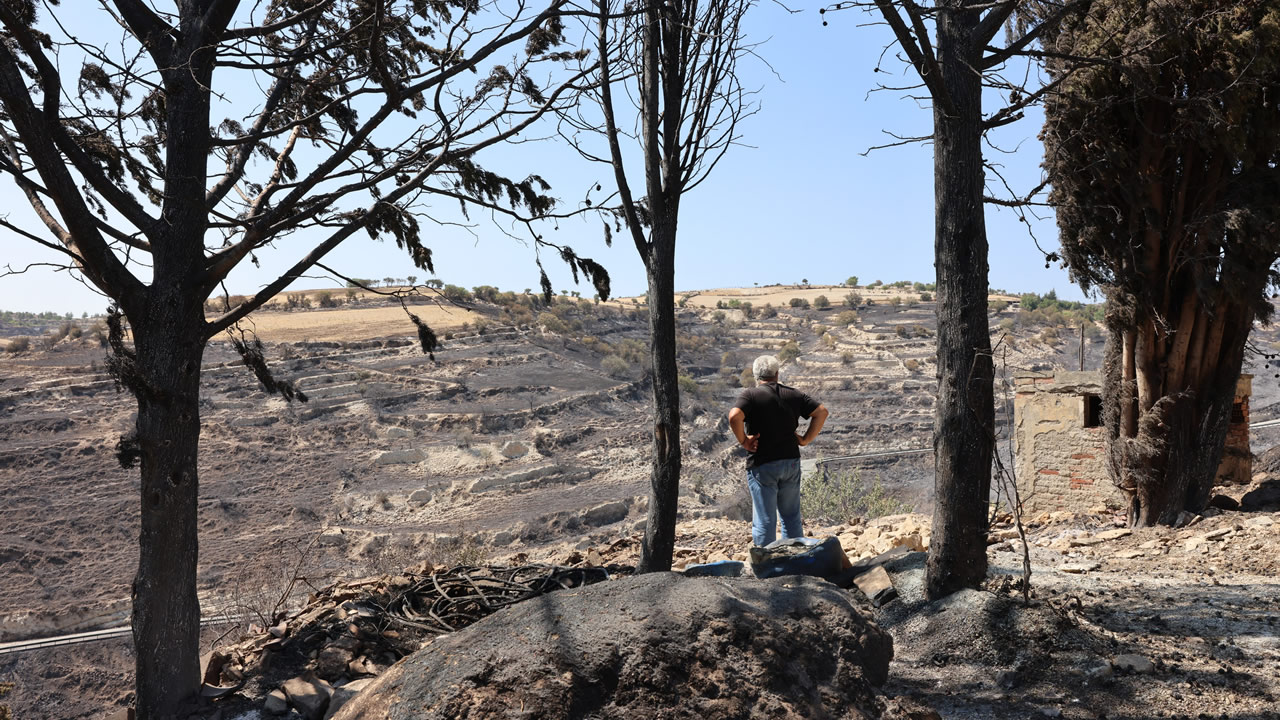
Environmental restoration and flood prevention
The report calls for:
- Full documentation of damage to cultural heritage monuments
- Development of a restoration plan
- Creation of a monitoring mechanism for environmental recovery.
It also stresses the urgency of anti-erosion measures in burned areas to prevent:
- Flooding
- Further soil degradation.
Authorities are urged to prepare specific implementation timelines, taking into account warnings from the Meteorological Service regarding potential weather events.
Waste management and illegal dumping
The committees highlight the need to accelerate compliance with EU legislation regarding the Paphos landfill.
They call for:
- Systematic inspections to prevent uncontrolled waste disposal
- Assessment of biogas management
- A plan to relocate the public road passing through the site.
The report also underlines the urgent need to remove hundreds of illegal dumping sites in rural areas, which are described as a persistent wildfire risk.
Rural recovery and agriculture
The committees state that the reactivation of the primary sector in affected areas is essential for the sustainable recovery of rural communities.
They recommend support for farmers, including:
- Incentives to resume agricultural activity
- Measures to restore productive capacity.
Volunteers and civil protection reforms
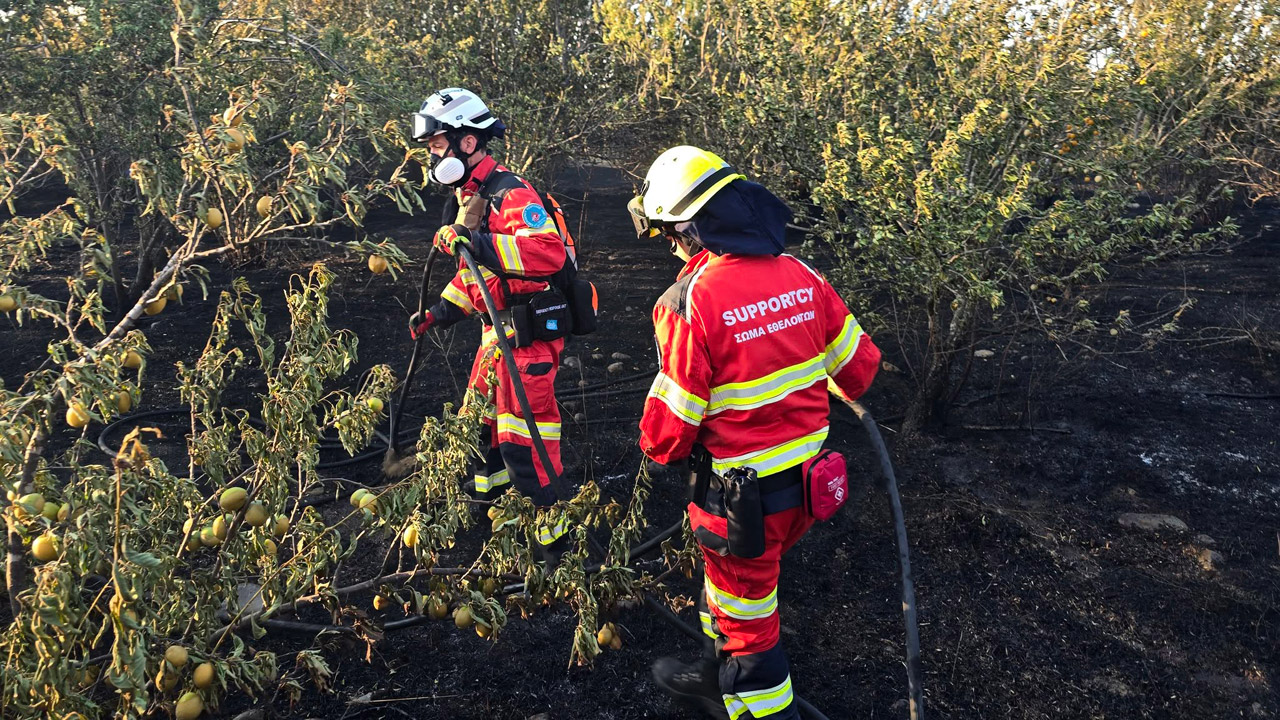
Although volunteers made a significant contribution, the report notes shortcomings in the coordination and organisation of their involvement.
The committees propose:
- Establishing an official civil protection volunteer registry
- Introducing a unified mobilisation protocol under the supervision of the competent authorities
- Ensuring adequate training and funding for equipment and maintenance.
Civil protection reform
The committees also refer to the study conducted by the French organisation Expertise France regarding the restructuring of civil protection.
While reserving their position on its recommendations, they underline the need for a unified and institutionalised civil protection mechanism with:
- Clear distribution of responsibilities
- Interoperable communication systems
- Adequate staff training.
Final position of the committees
The committees state that they remain ready to contribute to efforts aimed at improving wildfire management in Cyprus.
They emphasise that they will continue to do so through parliamentary oversight and through all the means available to the House of Representatives as the legislative body.