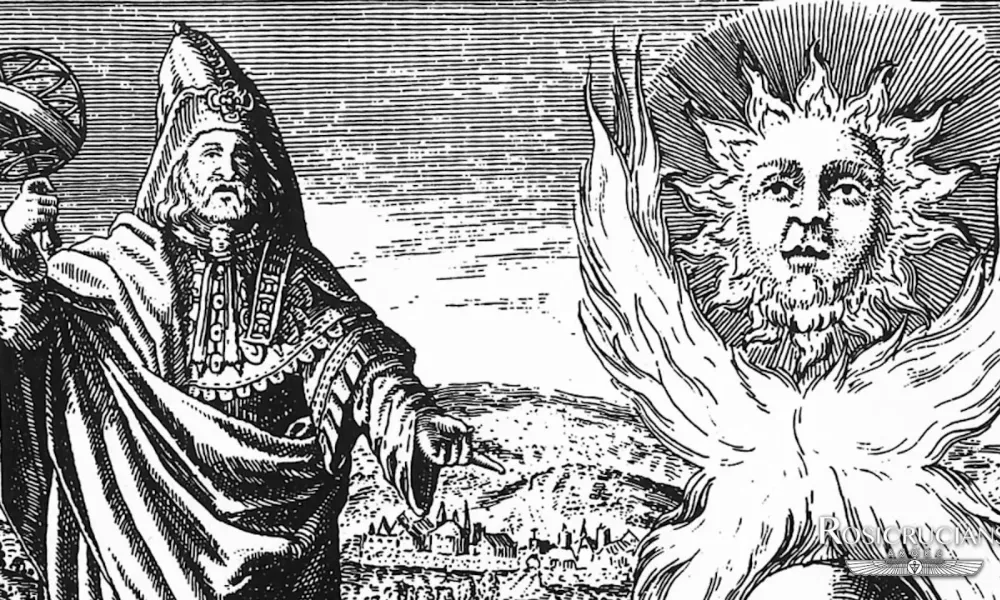
References by Makarios Drousiotis to the Rosicrucian Brotherhood have attracted public attention after the author alleged that political figures, businesspeople, lawyers and judges in Cyprus and Greece are connected to the group.
According to Drousiotis, the brotherhood operates across national boundaries and includes individuals who influence political and institutional decisions. His claims have renewed interest in the historical background of the Rosicrucian movement and the ideas associated with it.
Origins of the Rosicrucian movement
The Rosicrucians are associated with a mystical and philosophical tradition that emerged in Europe in the early 17th century.
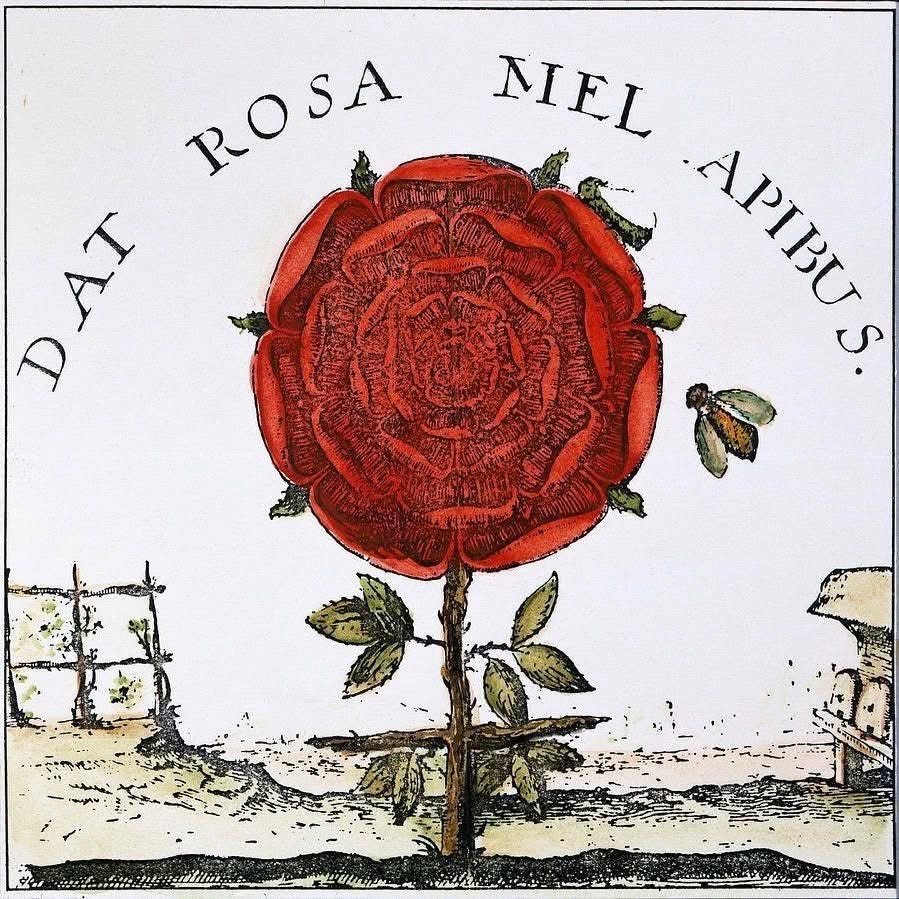
The movement became widely known through three anonymous texts published in the German-speaking world between 1614 and 1616. These texts described a secret brotherhood devoted to spiritual renewal, scientific progress and the reform of European society.
Scholars generally consider Rosicrucianism to be part of the wider current of Western esotericism, which also includes Hermeticism, alchemy and certain strands of Christian mysticism.
The movement appeared during a period of intense intellectual and religious debate in Europe, marked by the aftermath of the Protestant Reformation and the rise of early scientific inquiry.
The Rosicrucian manifestos
Three texts are commonly referred to as the Rosicrucian manifestos.
The first, Fama Fraternitatis (1614), introduces the figure of Christian Rosenkreuz, described as the legendary founder of the brotherhood. The narrative claims that Rosenkreuz travelled to the Middle East, where he learned esoteric knowledge before establishing a secret fraternity of scholars dedicated to improving humanity.
The second text, Confessio Fraternitatis (1615), expands on the philosophical and theological principles of the movement and calls for intellectual and spiritual reform in Europe.
The third text, The Chymical Wedding of Christian Rosenkreuz (1616), is an allegorical story describing a symbolic initiation involving trials and spiritual transformation. The work is widely attributed to the German theologian and writer Johann Valentin Andreae, although its precise authorship remains debated.
Historians generally agree that these texts played a significant role in shaping early modern debates about science, religion and philosophy.
Symbolism and philosophy
The central symbol associated with Rosicrucianism is the Rose Cross, a cross with a rose at its centre.
Within Rosicrucian symbolism, the cross represents the physical world and human experience, while the rose symbolises spiritual knowledge, enlightenment and personal transformation.
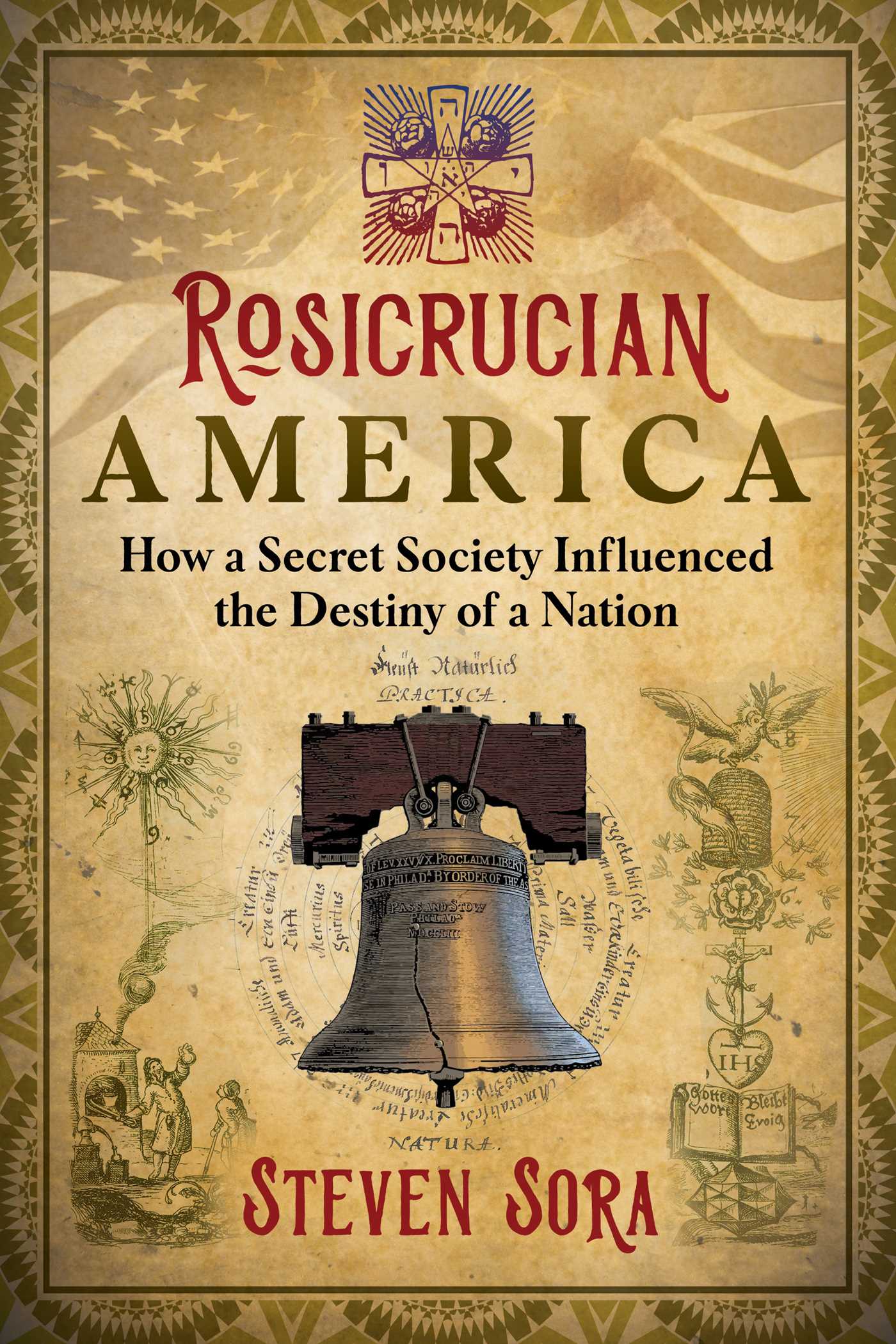
Rosicrucian teachings emphasise the search for inner wisdom, moral improvement and the integration of science, philosophy and spirituality.
These ideas drew heavily on earlier intellectual traditions including Hermetic philosophy, Neoplatonism and Renaissance alchemical thought.
Historical interpretations
Many historians argue that the Rosicrucian manifestos did not necessarily describe a real secret society but rather a symbolic or literary call for intellectual reform in Europe.
The texts sparked widespread debate across Europe in the 17th century and led to numerous claims by individuals and groups that they were members of the supposed brotherhood.
Although no evidence has confirmed the existence of the original fraternity described in the manifestos, the ideas associated with Rosicrucianism influenced later intellectual and esoteric movements.
Later organisations and influence
Several organisations in later centuries have claimed inspiration from the Rosicrucian tradition.
Among the most prominent is Ancient Mystical Order Rosae Crucis (AMORC), founded in the early 20th century, which presents itself as a philosophical society focused on spiritual and personal development.
Other groups influenced by Rosicrucian symbolism have appeared within esoteric traditions such as Martinism and certain branches of Freemasonry.
Most contemporary organisations associated with Rosicrucianism operate as philosophical or educational societies rather than secret political networks.
Myths and conspiracy theories
Rosicrucianism has frequently been linked to conspiracy theories suggesting that a hidden elite secretly controls political or economic systems.
Academic historians generally reject such claims, describing the Rosicrucian movement primarily as a philosophical and cultural tradition that shaped aspects of European intellectual history.
While Rosicrucian ideas continue to appear in various spiritual and esoteric movements today, historians view the original 17th-century texts mainly as part of a broader intellectual movement seeking reform in science, religion and philosophy.