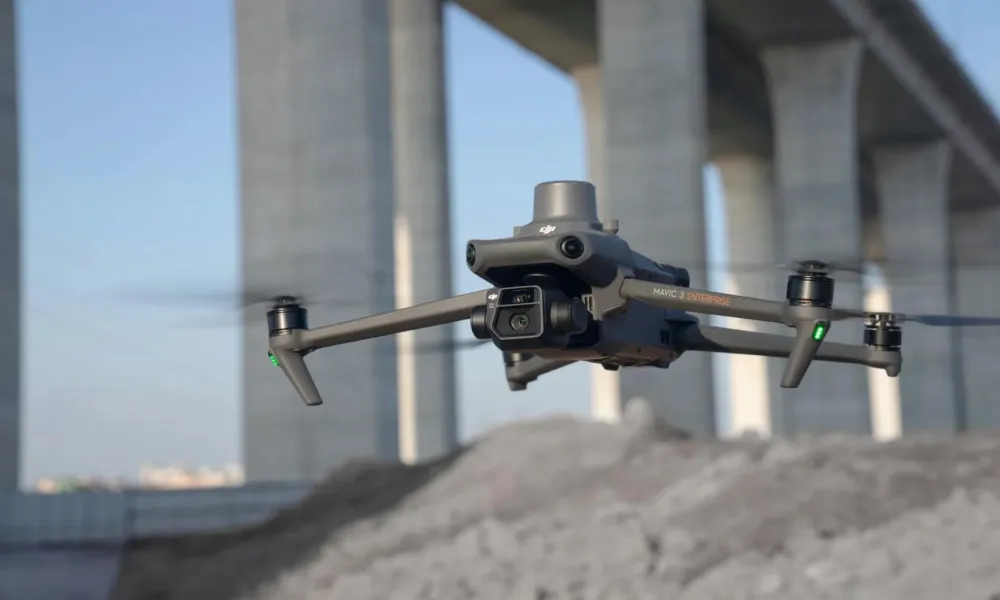
We are going through a period in which state bodies responsible for pollution control are still in their infancy. As regards illegal dumping on land, the Inspections Unit of the Department of Environment was established only a few months ago. Meanwhile, the Pollution Response Supervision and Coordination Unit (PRSCU), operating under the Deputy Ministry of Shipping, is expected to become operational in addressing marine pollution within the first quarter of 2026.
The timelines for the operation of this second newly established body under the Deputy Ministry of Shipping also reflect the lack of progress to date at sea level. On land, the Department of Environment has to some extent “gained ground”; however, there are serious gaps which, from time to time, compel it to publicly acknowledge its limited effectiveness. After all, the “Lernaean Hydra” of illegal dumping sites reflects these weaknesses. As for air pollution, the picture is to a large extent satisfactory.
In all three areas of pollution, the competent authorities are called upon to win the bet of leveraging smart technologies in order to carry out surveillance tasks with speed, accuracy and safety.
Regarding the marine environment, during a parliamentary discussion on 12 November on the unresolved pollution issues in Limassol Bay, the Deputy Ministry of Shipping outlined its plans for the role of the PRSCU and requested a grace period until 2027 for the utilisation of technological tools - mainly drones to identify polluting leisure vessels. The delay was attributed to bureaucratic obstacles, such as approvals from the Civil Aviation Department. In light of this admission of a gap in marine monitoring, we examined the current level of deployment of smart systems in other areas of environmental control.
Drones as a key tool
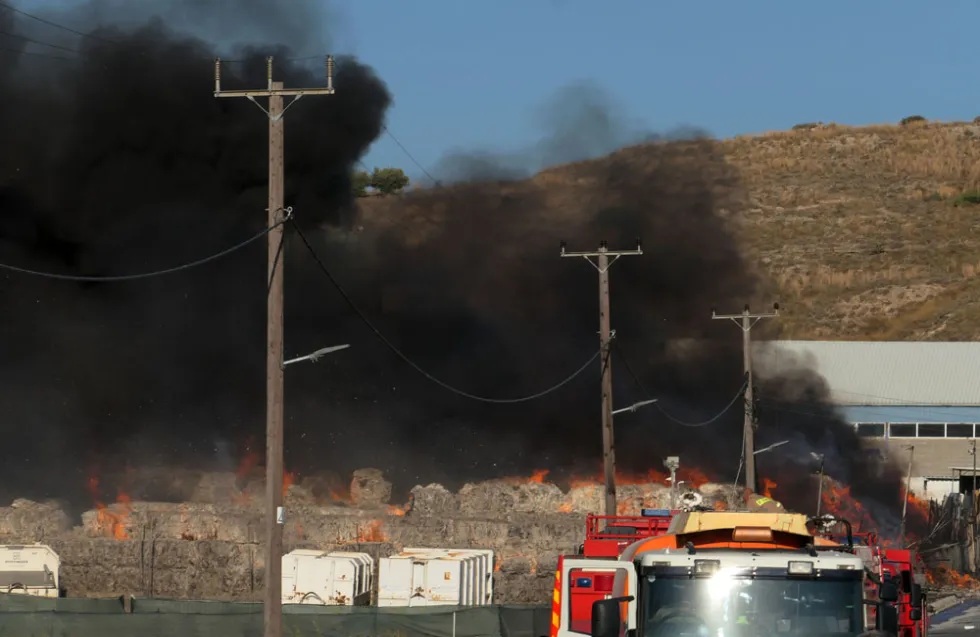
On land, drones, GPS systems and satellite imagery constitute important tools in the arsenal of the Department of Environment, and specifically of its Inspections Unit, which was established in early 2025. However, significant shortcomings are identified here, as the unit consists of only 12 inspectors who are unable to cope with the vast scope of inspections - ranging from illegal dumping sites springing up across Cyprus to industrial facilities, where frequent fires indicate serious shortcomings in safety conditions. At the same time, understaffing makes 24/7 inspections impossible. A study conducted a few years ago referred to the need for at least 45 inspectors.
One area of technological application for environmental control is the use of GPS tracking systems in waste transport vehicles, in order to determine when and where illegal dumping occurs. Here too, serious gaps exist, hampering effective oversight.
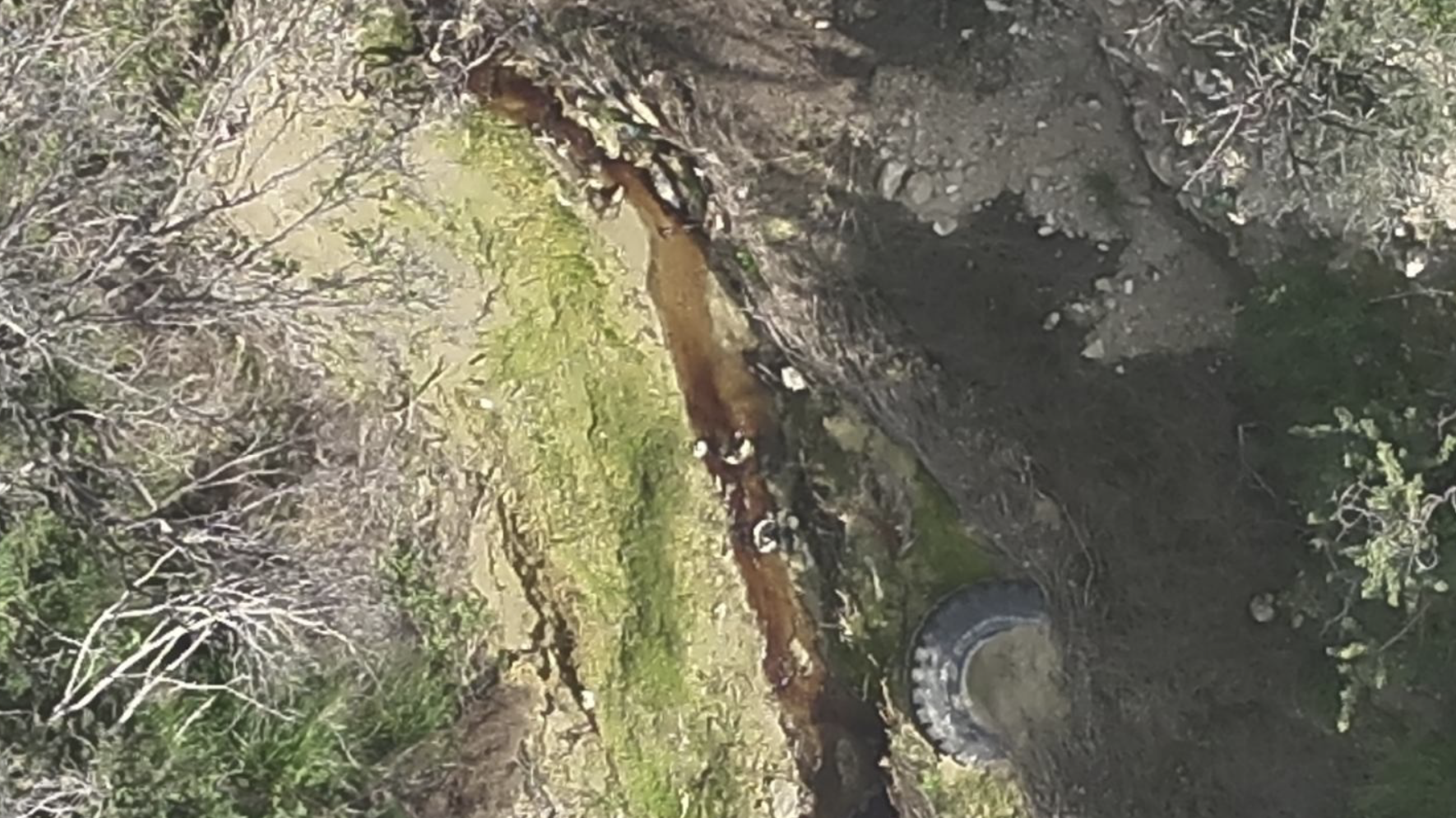
Nevertheless, the use of technology - particularly drones - appears to have made the work of the inspection team more effective to a certain degree. Tasks that would otherwise take hours or even days have, over the past two years, been carried out efficiently through the use of drones by the Department. “You can more easily record pollution data in an area, such as images, map it and understand the situation in a very short period of time,” Dimitris Dimitriou, Head of the Inspections Unit of the Department of Environment, told P.
“It is a very important tool, especially for observing situations that are difficult to access in remote areas, or where, for safety reasons, monitoring must be carried out remotely,” he added. Drones are equipped with tools that help inspectors determine whether an illegal activity is continuing, provided that the area has already been mapped and recorded in a database. “You can also carry out volumetric measurements at illegal dumping sites and determine whether a local authority has proceeded with clean-up and restoration.” According to Mr Dimitriou, since the establishment of the Inspections Unit, all inspectors have received full training in drone operation, noting that in each district - where two inspectors are stationed - one such smart device is available to them.
Tracking vehicles via GPS
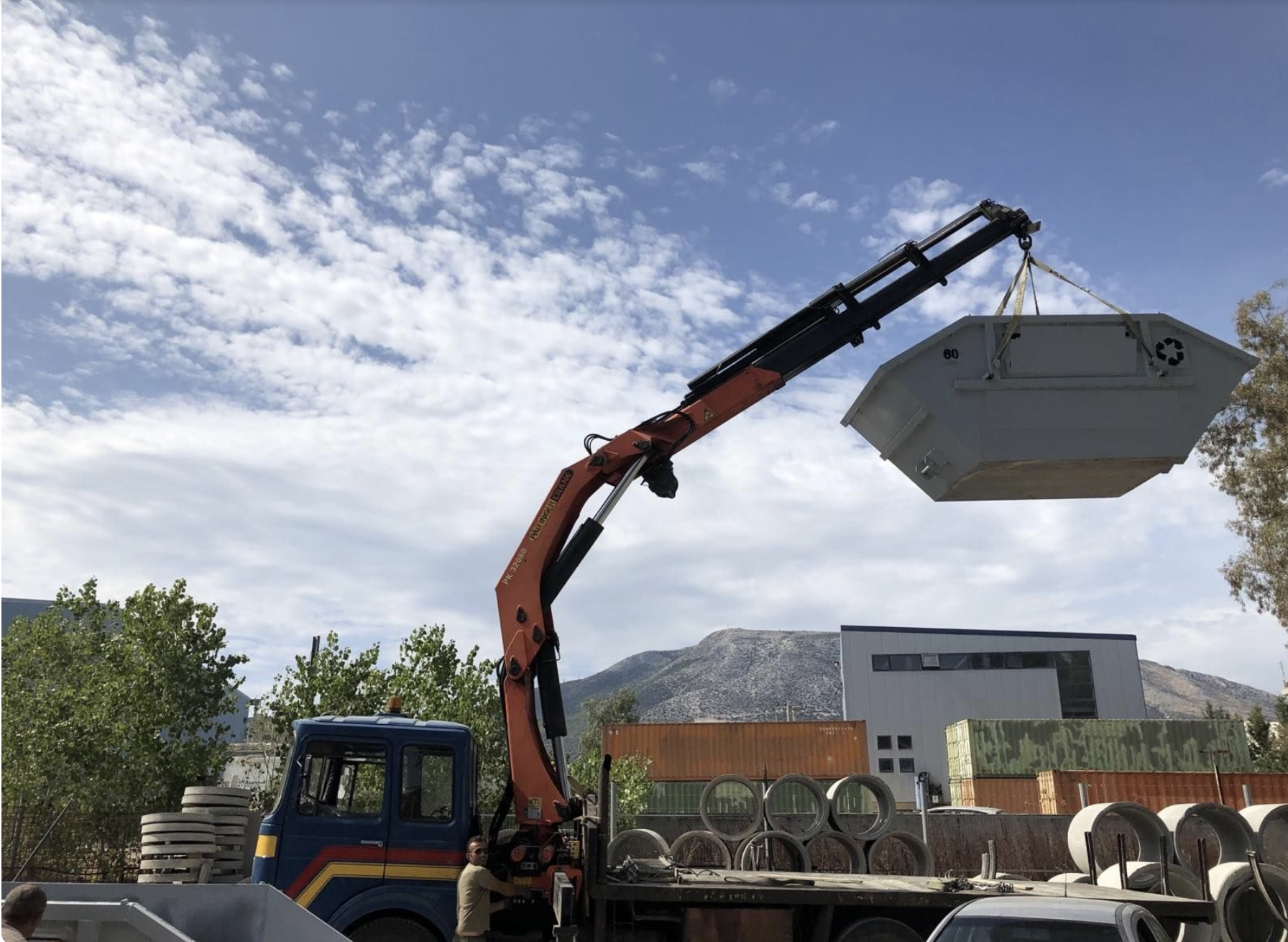
A second area where technology is applied for environmental monitoring is the use of GPS tracking systems in waste transport vehicles, to establish when and where illegal dumping has taken place. However, the Department acknowledges that the system is problematic, as not all waste transport vehicles operating in Cyprus are registered on its list for GPS monitoring. According to Mr Dimitriou, in recent months the Department of Environment attempted to reach an understanding with the Department of Road Transport so that all such vehicles would be required, as a condition for licence renewal, to obtain authorisation from the Department of Environment and install a GPS tracking device. No agreement was reached, however, resulting in the perpetuation of the serious problem of uncontrolled dumping, particularly of waste from excavations, construction and demolition activities.
The Pollution Response Supervision and Coordination Unit (PRSCU) under the Deputy Ministry of Shipping is expected to begin operations to address marine pollution in the first quarter of 2026, although the deployment of technological tools is scheduled for 2027.

A satellite “eye”
A third tool used by the Department of Environment to monitor pollution is high-resolution satellite imagery, in cooperation with organisations that have access to such data. “At any time, you can proactively identify areas where a major problem of illegal dumping is about to emerge, intervene early and address it before it grows to the point where it becomes difficult to manage. You register the location in a database and continue monitoring it via satellite,” Mr Dimitriou explained.
Instruments and statistical packages against air pollution
With regard to air pollution control in Cyprus, the situation is considerably better compared with land and marine pollution. The Department of Labour Inspection, which is responsible for air quality, utilises atmospheric monitoring stations in Paphos, Limassol, the Vasiliko area, Agia Marina Xyliatou, Nicosia, Larnaca, Ormideia and Paralimni. Using modern instruments, it provides the public with real-time pollutant concentration data via its website. It also works closely with research centres such as the Cyprus Institute for continuous staff training and the integration of new technologies.
There are statistical packages - modern technological tools - that allow the geographical identification of pollution emission sources, according to Dr Michalis Pikridis, a researcher at the Cyprus Institute specialising in air pollution, who recently trained Department staff in this technology. As he explained, to identify air polluters, measurements are taken at specific points - not necessarily at the point of emission - based on the principle that each type of pollution has a distinct chemical signature. These are measured using analytical instruments at Department monitoring stations, after which statistical packages are used to determine the geographical origin of the emissions.
New pollutants
At the same time, new EU directives concern pollutants for which no statutory limits previously existed and which the Republic of Cyprus was not required to monitor. One such directive has recently been introduced, leading to close cooperation between the Cyprus Institute - which has long been measuring these pollutants - and the Department of Labour Inspection, in order to comply with European legislation. According to Dr Pikridis, pollutant monitoring instruments operate continuously, requiring only weekly checks to ensure proper functioning and carry out preventive maintenance.
Pollutant inspections are also carried out by the Inspections Unit of the Department of Environment, specifically for industrial installations subject to industrial emissions permits. “Continuous monitoring is carried out through meters installed on chimneys. Measurements are both scheduled and ad hoc throughout the year, either by accredited companies - based on obligations imposed on regulated entities - or by the Department of Environment itself,” Mr Dimitriou said.
This article was originally published in the Politis Sunday Edition.