
The co-chairs of the bicommunal Technical Committees conclude their three-day gathering in the luscious parklands of South East England on Friday, as part of the UN Personal Envoy’s efforts to promote rapprochement between the two communities.
After hosting the Technical Committee on Youth in Amman last December and bringing Greek Cypriot and Turkish Cypriot academics together in Paphos last month for some ‘out of the box’ thinking, María Ángela Holguín Cuéllar organised for the co-chairs to meet off-island to explore ways to improve the committees’ effectiveness.
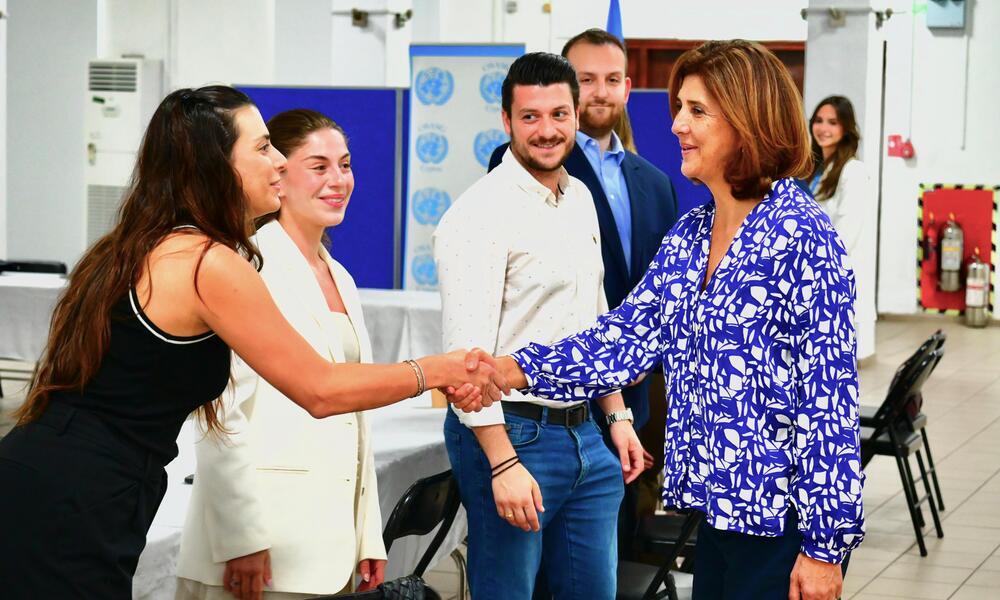
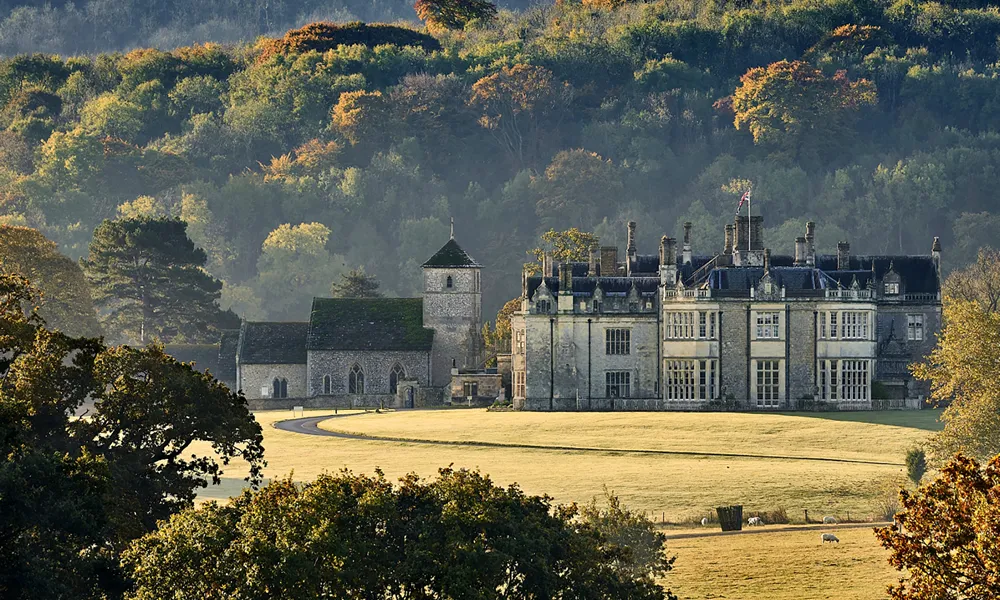
The three-day event at Wilton Park in Sussex, took place in a sixteenth century Grade I Listed building, surrounded by over 6,000 acres of parkland. Wilton Park is an 80-year-old executive agency of the UK Foreign Office, specialising in international policy dialogue and strategic discussion.
Most of the co-chairs of the 13 Technical Committees attended, while those who could not, sent representatives in their place.
Conference goals
The aim of the conference was to invigorate the Committees – through a process of sharing best practices – and empower them to become more effective moving forward.
UN envoy Holguín – who was also present at the conference – ruffled a few feathers last Sunday when she wrote an opinion piece suggesting there was little point seeking a resumption of talks until July, given Cyprus’ EU Presidency, parliamentary elections in May, and the new Turkish Cypriot leadership’s efforts to consolidate its position domestically and vis-à-vis Turkey. Instead, she recommended the leaders focus on reaching joint decisions that contribute to mutually beneficial solutions. In this vein, the international community expects the two Cypriot leaders to overcome existing hurdles and agree on trust-building initiatives that show they can work towards common solutions.
With the focus on confidence-building measures (CBMs), the Technical Committees could end up with a busier agenda, making their effectiveness even more vital to supporting the Track 1 process and generating momentum.
Technical Committee shortcomings
The 13 Technical Committees cover the following areas: Broadcasting and Telecommunications; Cultural Heritage; Crime and Criminal Matters; Economic and Commercial Matters; Environment; Health; Crisis Management; Crossings; Humanitarian Affairs; Culture; Gender Equality; Education, and Youth.
A recent EU-funded study on the Committees revealed that bicommunal cooperation has improved daily life for thousands of Cypriots, but the lack of transparency, unclear mandates, political interference, and a failure to engage meaningfully with civil society undermine their long-term impact.
Study coordinator Dr Nasia Hadjigeorgiou told Politis that, regarding their mandate, some Committees have done a “very good job” of addressing everyday practical issues, but almost all do a “pretty bad job” of building trust between the two communities.
She questioned the need for secrecy, borne from a misplaced fear of recognition issues. Hadjigeorgiou also noted that Committee members – numbering around 200 in total – operate in their personal capacity and, in almost all cases, are not remunerated. Some hail from civil society, others are public servants – active or retired. They operate without legal status, formal budgets or rules of procedure.
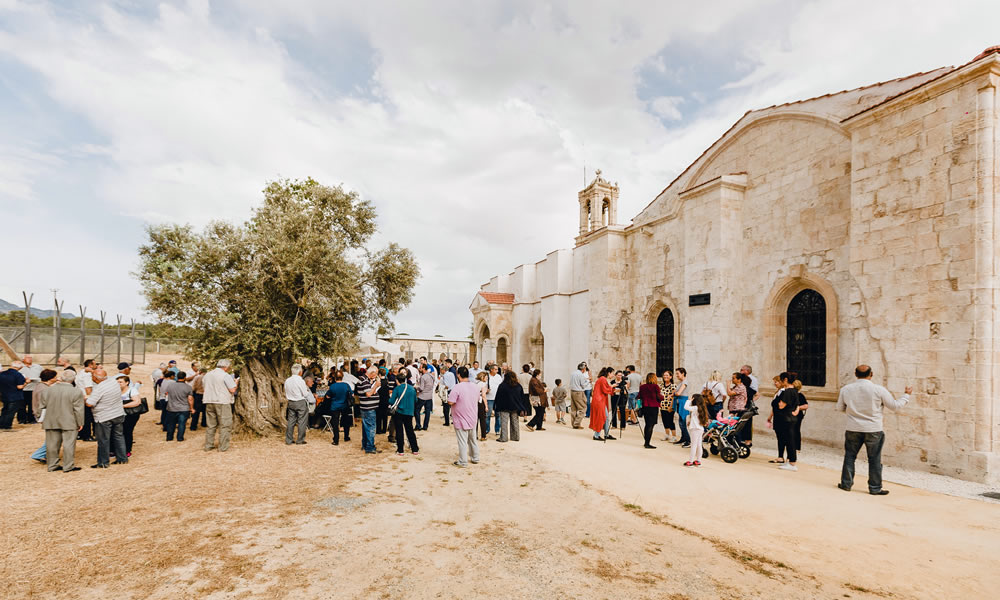
Success stories include the Technical Committees on Crime (Joint Contact Room), Health (Mosquito Project, vaccines), Economy (interconnection of electricity grids), and Cultural Heritage (restoration of 80 sites). The Committees on Education and Culture also started off with successful projects but politics has since intervened to dampen their ability to produce positive work. Meanwhile, several other Committees have achieved little and rarely meet.
The study made the following recommendations:
· Set clear, transparent operating rules agreed by both sides.
· Ensure stable membership that doesn’t change with politics.
· Strengthen public communication and project visibility.
· Enhance coordination with UN/EU to clarify roles and mandates.
· Engage civil society experts to boost legitimacy and public impact.
Conference agenda
A combination of external and local peacebuilding experts led and facilitated the three-day conference in England, which aimed to support the Technical Committees enhance their effectiveness, deepen cooperation, and strengthen their contribution to the peace process.
The conference opened with an assessment of the current context, reviewing the Committees’ progress, strengths, challenges, and opportunities for renewed dialogue and collaboration. Participants discussed international experiences, as well as ways to overcome political, resource‑related and structural obstacles. They worked on building practical skills for managing conflict and achieving consensus. Panels also explored how Committees can increase their impact, secure institutional commitment, and improve outreach across both communities. Sessions included discussions on innovative practices and tools for trust‑building, as well as how to cross‑cut themes such as gender, youth, environment, and cultural heritage in their broader work. The final sessions used ‘futures thinking’ to explore potential drivers of change, and opportunities for joint committee initiatives.
A more turbulent past
Wilton Park organises events on behalf of the UK Foreign Office both on site and abroad. In February 2005, Wilton Park organised a conference in Larnaca, inviting 140 representatives from both communities to discuss ways to break the deadlock in the peace process.
The fact it came ten months after Greek Cypriots overwhelmingly rejected the Annan Plan did not go down well with the Tassos Papadopoulos government which snubbed the event. The participation of the UK’s former special envoy for Cyprus Lord Hannay only added to the government’s concern, which found the issues under discussion “worrying”.
In its closing statement, the 2005 conference concluded it was up to the two leaders in Cyprus to decide when to embark on new negotiations, but that it would be undesirable to resume talks unless both sides were fully committed.