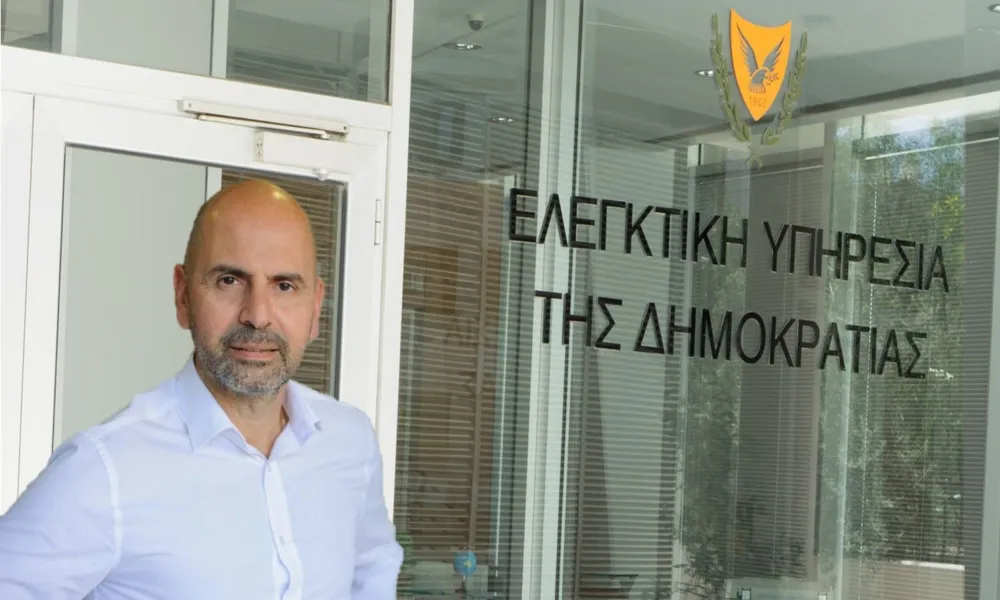

The Audit Office is not currently conducting an investigation into Paphos Municipality and is only assessing complaints that have been submitted, Auditor General Andreas Papaconstantinou said on Wednesday.
“If we identify anything, everything will be brought to light,” he stated.
Speaking to reporters after submitting the Office’s Annual Report for 2024–2025 to the President of the Republic, Papaconstantinou said that no formal probe is underway at this stage.
“We have received some complaints. I will also be meeting individuals who have asked to see me regarding issues concerning Paphos Municipality. Once we receive and assess these complaints, we will decide whether and what type of audits will be carried out,” he explained.
He stressed that it would be inappropriate to comment further without findings, noting that this is standard practice for all audited entities.
“There must be respect. If we find something, everything will be made public,” he said.
Papaconstantinou added that audits had already been scheduled for two high-risk municipalities in Limassol, but this planning may be adjusted following internal discussions.
Asked whether there were previous complaints or pending reports from his predecessor, he replied that he had been informed the earlier complaint had been submitted to Paphos Police. The Audit Office had been asked to contribute by sharing findings from a prior audit. Those findings were handed over, and the matter proceeded through Paphos Police to the Attorney General’s Office.
He said he was unaware why those earlier findings were not made public at the time.
Energy projects and delays
Papaconstantinou said he also discussed energy issues with the President, including delays in major infrastructure projects.
Without going into detail about Vasilikos or the electricity interconnection cable, he stressed that the state invests in organisations and appoints directors who bear responsibility not only for planning but also for taking decisions and managing risk.
“The Audit Office audits; it does not execute. We highlight our concerns and may make broader recommendations. How exactly problems are resolved is a matter for the executive,” he said.
On Vasilikos, he described the situation as significantly behind schedule and “unacceptable,” adding that the President acknowledged the issue and had indicated that corrective actions were being launched.
More reports and surprise inspections
Papaconstantinou said the Office is undergoing internal changes aimed at increasing productivity and becoming more targeted and effective. He indicated that the number of published audit reports could double in 2026.
He referred to a shared concern with the President regarding certain public services that create obstacles for the state and difficulties for citizens.
In his 15 months in office, he said he has identified key risk areas, including major state projects with significant delays. He also pointed to services that interact directly with the public, such as healthcare.
“Yesterday we released our report on the Land Registry. We are not suggesting that staff do not work hard, but results speak for themselves. Delays of seven to ten years are not acceptable,” he said.
He added that quality audits have been introduced for the first time and that a report on an Emergency Department would be published following unannounced inspections conducted after midnight.
“For the first time we are conducting surprise and undercover audits to see what citizens actually experience and to apply constructive pressure,” he said.
When asked how the President responded to plans to double the number of reports, Papaconstantinou said he was asked whether the Office needed additional resources to carry out its work effectively.
He reiterated that the role of the Audit Office is to assist the state by identifying weaknesses.
“The more weaknesses we highlight, the more problems can be resolved and the more citizens will benefit,” he said.
In brief remarks, the President thanked Papaconstantinou and described the Audit Office as a key pillar in efforts to modernise the state and strengthen safeguards in public decision-making.
Source: CNA