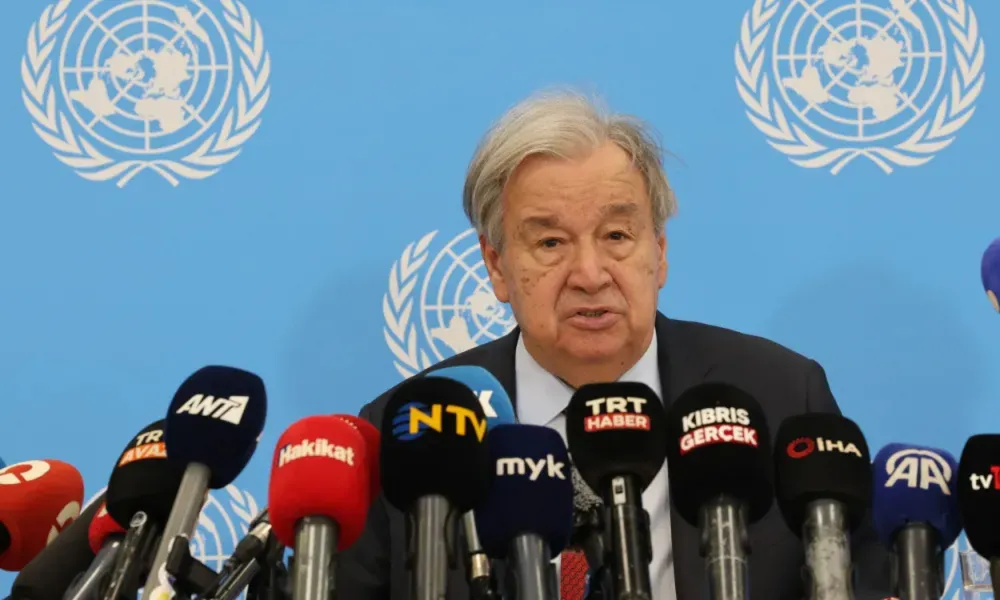

The time for speeches, familiar recriminations and ritual blame games has passed. António Guterres left Cyprus without a breakthrough, but he did not leave empty-handed. He left behind a clearly defined agenda and a straightforward message: before another expanded 5+1 meeting can take place, the two leaders must narrow their differences on confidence-building measures, negotiating methodology and substantive issues. Those are not abstract diplomatic phrases. They are practical assignments for August and the first half of September.
Whether this becomes another chapter in Cyprus’s long history of missed opportunities now depends far less on New York than on the political will demonstrated in Nicosia. If the two sides spend the coming weeks preparing excuses instead of preparing solutions, María Ángela Holguín’s return later in September will merely produce another round of disappointment. If, however, they use the time to reduce their differences and demonstrate a capacity for cooperation, Guterres may still be able to convene a 5+1 capable of launching a genuine result-oriented negotiation.
That is why it is wrong to judge the Secretary-General’s visit solely by what he did not announce. He did not fix a conference date because he did not want another conference destined to fail. Before leaving the island, Guterres explained that he had secured the agreement of both leaders and the guarantor powers to move to another 5+1 once sufficient preparation had been completed. That preparation, he said, must cover confidence-building measures, methodology and substantive issues. His objective was not another meeting. It was a successful meeting capable of opening the road to a settlement.
This represents a significant change of approach. For decades, Cyprus diplomacy has measured success by meetings held rather than results achieved. Guterres has reversed that logic. The meeting is no longer the objective. Preparation for success is.
A conference is not the objective
Cyprus has experienced enough conferences that generated headlines but failed to produce agreements. Every collapse has ended the same way: the internationally recognised side returned to its comfortable status within the European Union and the international community, while Turkish Cypriots returned to isolation and uncertainty.
The next 5+1, if it is to justify convening it at all, must launch a structured, fast-track and result-oriented negotiation. That requires agreed methodology, a realistic timetable, preservation of previous convergences and, crucially, a guarantee that failure will not simply restore the status quo. Otherwise, one side continues to enjoy every advantage of delay while the other bears the political cost of another unsuccessful process.
The homework must be done in Nicosia
Turkish Cypriot leader Tufan Erhürman’s response to Guterres deserves close attention. As the trilateral meeting concluded, and in the Secretary-General’s presence, he proposed that he and Nikos Christodoulides begin meeting regularly, preferably every week. He later made clear why: the homework assigned by Guterres cannot be completed by waiting for the next visit of María Ángela Holguín. It must begin immediately.
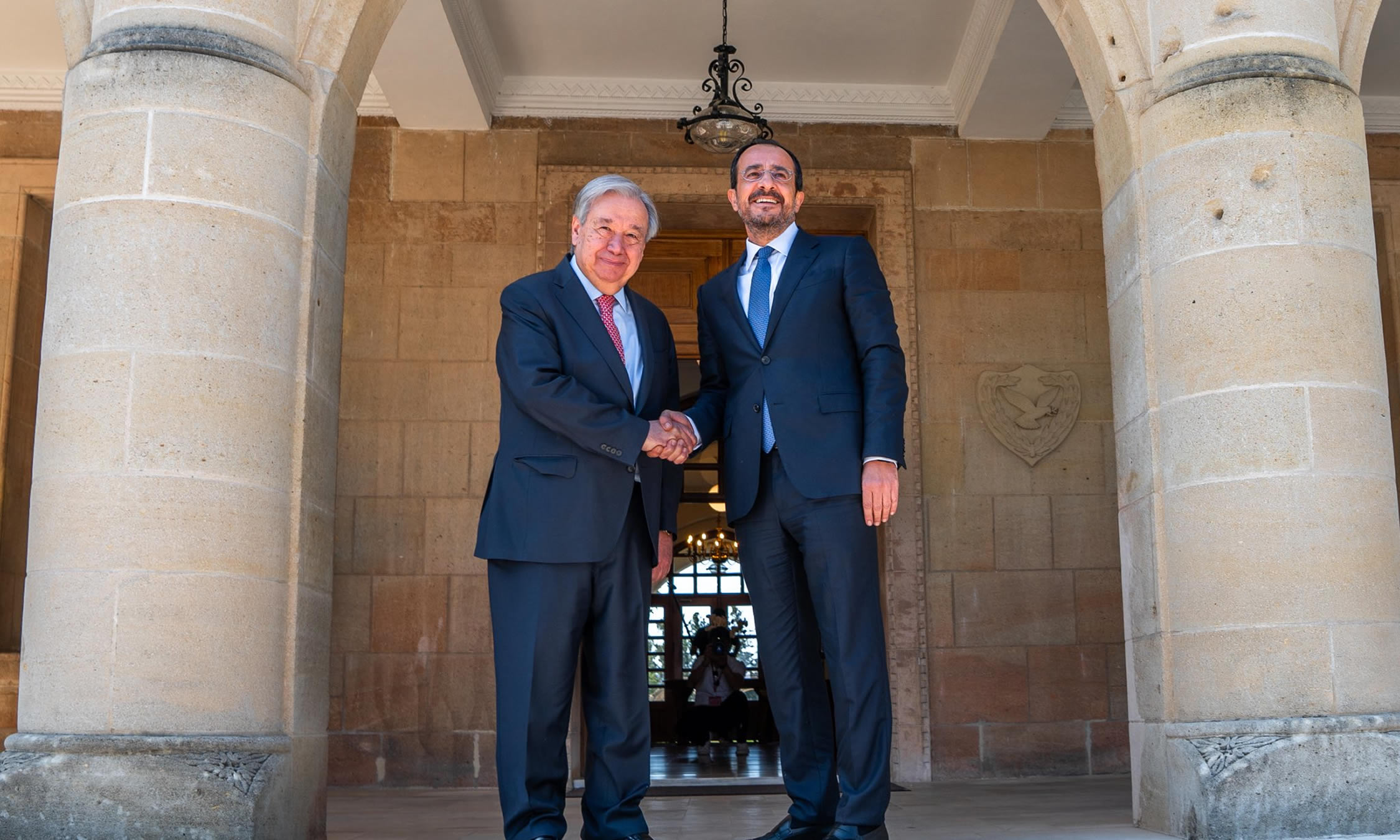
This proposal should not be underestimated. Weekly meetings could become the working mechanism through which confidence-building measures, methodology and substantive issues are addressed simultaneously. The leaders and their negotiators should use those meetings not for political theatre but to review concrete proposals, identify remaining differences and assign practical work before meeting again.
The challenge now is equally clear for Christodoulides. If he genuinely wants another negotiating process, this is the opportunity to help prepare it. The question is no longer whether both leaders support peace in principle. The question is whether they are prepared to undertake the difficult political work that peace requires.
Beyond the crossing points
Public debate has focused almost entirely on the opening of new crossing points. Important though they are, they represent only one element of the confidence-building package placed on the table by Guterres.
The Secretary-General also proposed progress on the long-standing problems affecting children born of mixed marriages, the launch of island-wide demining in the buffer zone, closer cooperation against irregular migration and the establishment of a joint mechanism to deal with natural and human-induced disasters.
None of these issues is politically simple. Every one touches sensitive questions of authority, jurisdiction or security. That is precisely why they matter. If the two sides can narrow their differences on these practical issues, they will demonstrate not merely goodwill but an ability to cooperate under politically difficult circumstances.
That is the real test over the coming weeks.
If the leaders and their negotiators succeed in reducing differences not only on the crossing points but also on these four additional confidence-building measures, while simultaneously advancing work on methodology and substantive issues, Guterres would have every reason to convene another 5+1 before the end of his mandate.
Regaining the moral high ground
For the first time since the 2004 Annan Plan referendums, the Turkish Cypriot side has an opportunity to reclaim the moral high ground.
Twenty-two years ago Turkish Cypriots accepted the United Nations settlement while Greek Cypriots rejected it. Yet the internationally recognised Republic entered the European Union while the Turkish Cypriot community remained isolated despite repeated promises that its situation would improve.
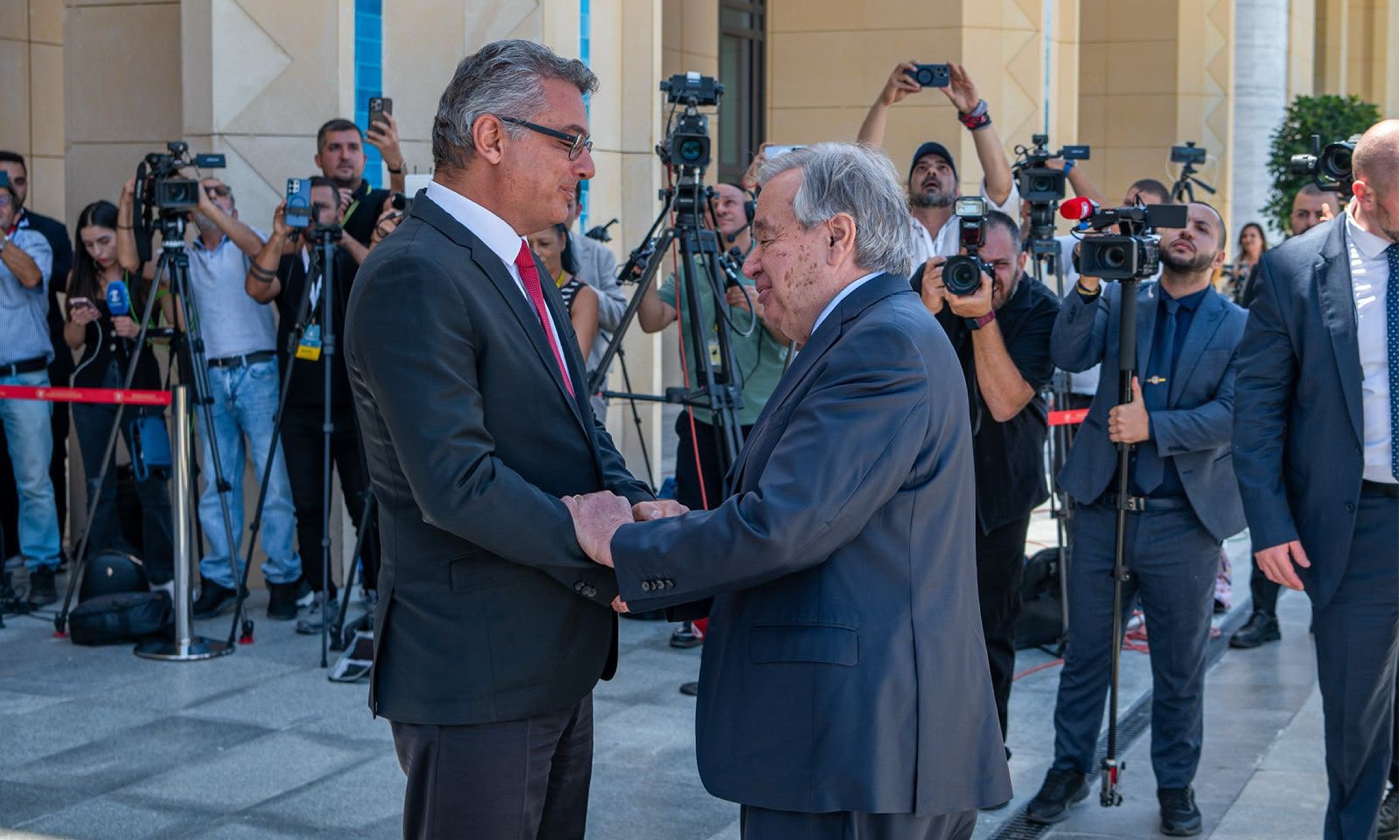
That advantage was gradually lost as Turkish Cypriot policy increasingly centred on recognition before negotiations. Erhürman has altered that perception without abandoning core principles. He continues to insist on political equality, effective participation, Turkish Cypriot self-government and Türkiye’s indispensable security role. At the same time, he has embraced Guterres’s roadmap, proposed regular dialogue and openly challenged the Greek Cypriot leadership to complete the same homework.
That is a politically powerful position. The Turkish Cypriot side is no longer saying simply, “recognise us first.” It is saying, “let us work, let us narrow our differences and let us prepare a successful negotiation.”
A different endgame is taking shape
The destination also appears clearer than before. Cyprus is unlikely to return to the heavily integrated federal model debated for decades. Too much time has passed, institutions have evolved separately and confidence remains too fragile.
The more realistic outcome is a deliberately loose federal or confederal partnership built upon two politically equal constituent states, one international personality and a strictly limited common government exercising only agreed competences. Such an arrangement would preserve political equality in practice while allowing both constituent states to retain broad self-government.
Cyprus does not primarily suffer from a constitutional deficit. It suffers from a balance deficit. Any lasting settlement must restore balance internally between the two communities and externally between the guarantor powers.
A fast-track process or another lost opportunity?
There is no basis for triumphalism. Formal negotiations have not resumed. No date has been fixed for another 5+1. No agreement has yet been reached on governance, territory, property, political equality or security.
But neither is there reason for defeatism.
Guterres has done what could reasonably be expected of a Secretary-General. He has replaced diplomatic theatre with a practical roadmap. Erhürman has accepted the challenge and proposed a mechanism to carry it forward.
The coming six weeks will determine whether Cyprus moves towards another failed conference or towards the first genuinely result-oriented negotiation in many years.
The homework is clear. The opportunity exists. If the two leaders spend August and the first half of September narrowing their differences in good faith, another 5+1 could launch a fast-track process with a timetable, agreed methodology and a clear safeguard against returning to the status quo. If they fail, neither side should later complain about another lost golden opportunity for peace. Opportunities are not lost because the United Nations fails to create them. They are lost because leaders fail to seize them.