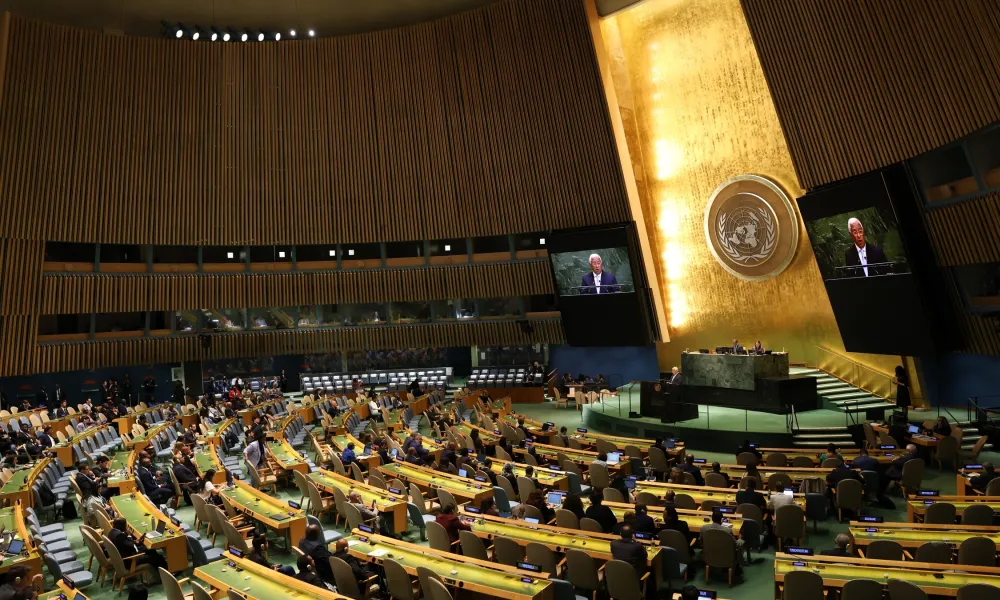

The new round of diplomatic contacts on the Cyprus issue has generated expectations, but also a justified degree of scepticism.
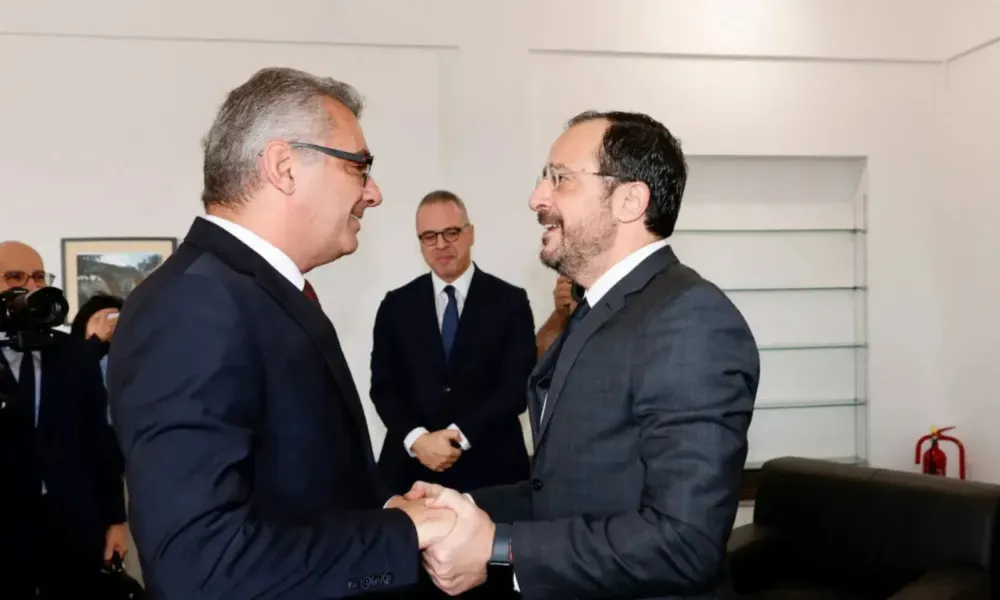
President Nikos Christodoulides' meeting with María Ángela Holguín, the United Nations Secretary-General's personal envoy, and the arrival of António Guterres in Nicosia for talks with the island's two leaders represent an important opportunity. The objective, however, should not be merely to add several more meetings to the already lengthy calendar of the Cyprus problem, but to achieve a meaningful political outcome.
After years of stagnation, failed initiatives and mutual recriminations, citizens have grown weary of declarations of intent and repeated assurances. Every new effort is accompanied by high expectations that often end in disappointment. For that reason, the current diplomatic activity should be judged not by photographs, statements and positive atmospherics, but by whether it creates the conditions for a return to substantive negotiations.
The Greek Cypriot side must approach these contacts with a clear strategy, concrete proposals and genuine political will. It is not enough to repeat that it wants negotiations to resume from where they left off while, in practice, failing to reach agreement even on the opening of another crossing point. It must demonstrate a willingness to discuss difficult issues, without abandoning its core principles but also without erecting unnecessary red lines.
The same applies to the Turkish Cypriot side, which is being called upon to abandon positions that move the prospect of a mutually acceptable settlement further away. Such a settlement cannot be achieved through positions that undermine the possibility of common ground between the two communities.
António Guterres is well acquainted with the deadlocks, sensitivities and missed opportunities that have characterised the Cyprus issue. His presence can act as a catalyst, but only if both sides demonstrate a sincere willingness to compromise.
The week ahead is indeed an important one. Not because anyone expects it to resolve the Cyprus problem, but because it may indicate whether a path to a settlement still exists or whether the divide continues to deepen.
The next missed opportunity may prove far more costly than the previous ones.