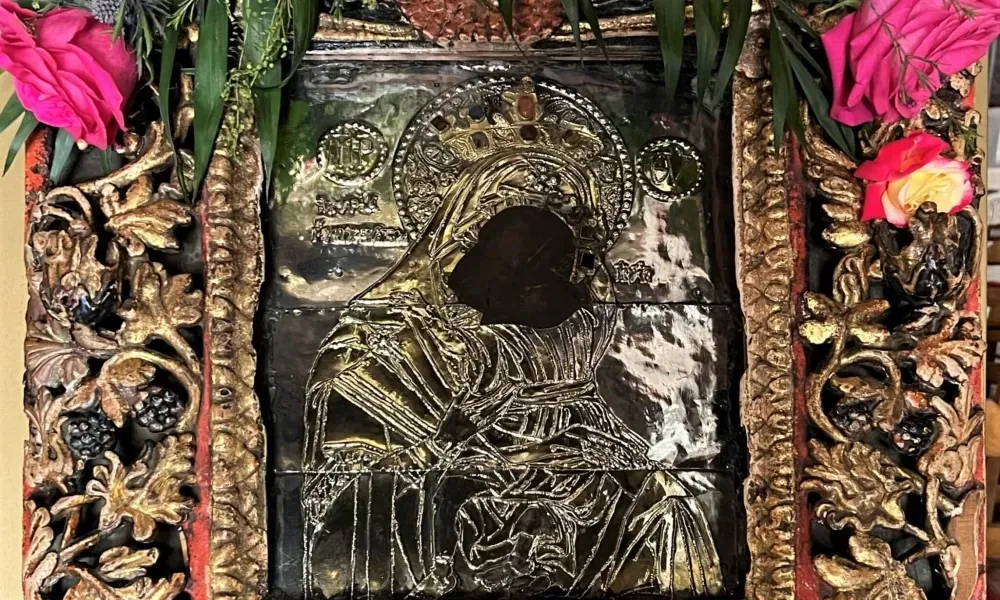
The case involving the video about the icon of Panagia Hozoviotissa, where claims were circulated about healing and spiritual 'rebirth' for those who venerate it, highlights a problem that is not new but appears to be taking on new dimensions in the era of social media. When faith is dressed up with promises of miraculous results and promotional exaggeration, it ceases to serve its spiritual purpose and begins to resemble a commercial practice.
The description of the situation as “unthinkable” by theologian Theodoros Kyriakou does not seem excessive. The issue is not whether someone believes in miracles – that is a personal and deeply existential matter. The issue is whether it is acceptable to cultivate expectations, particularly among individuals who may be psychologically or physically vulnerable, through dubious or unchecked claims. This phenomenon appears to be exploited by certain clergy, not without financial gain, as suggested by the absurd incidents that reportedly took place at the monastery of Saint Avvakoum, involving Nektarios and his followers.
This also brings forward the responsibility of the Church itself. If there are indeed gaps in oversight regarding the way icons, relics or such messages are circulated, then discussion about a stricter institutional framework is not unreasonable. Not to limit religious expression, but to protect the credibility of the Church from practices that expose it. At one point, Archbishop Chrysostomos II stated that in the ecclesiastical jurisdiction of the Archdiocese “icons do not weep.” He did so to curb the actions of certain priests and church wardens who were injecting substances into icons in order to attract believers and the offerings they sought.
In general, when faith becomes commercialised and begins to resemble the promotion of a 'service,' the problem is not only one of communication. It is deeply ethical.