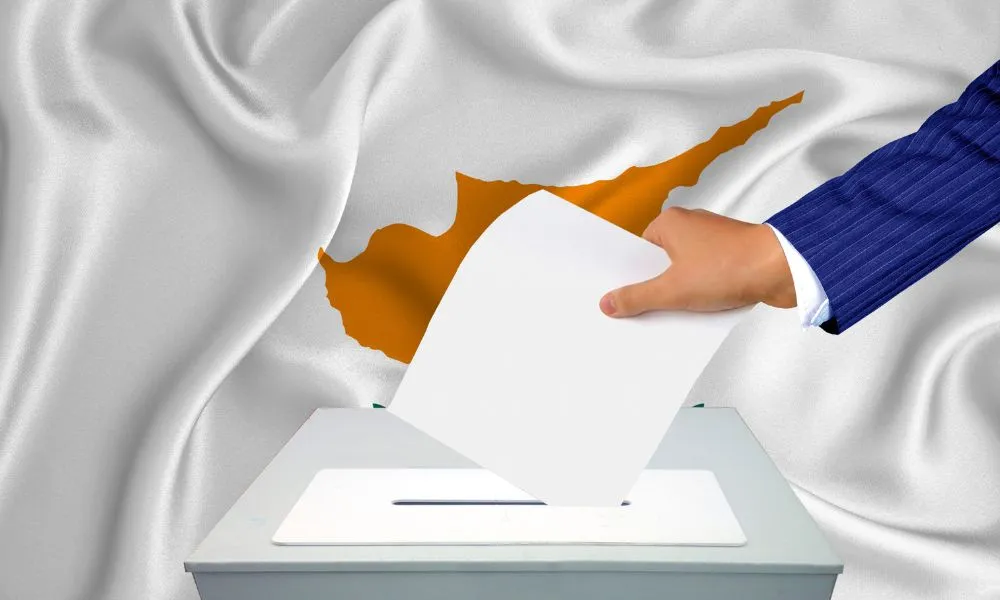
The submission of a record number of candidacies for the upcoming parliamentary elections of 24 May in Cyprus constitutes a phenomenon that moves between two seemingly contradictory realities. On the one hand, there is a long‑standing atmosphere of deep mistrust among a significant segment of citizens towards the political system. On the other, there is an unprecedented mobilisation of citizens who choose to stand in elections, often with an anti‑system orientation.
The contradiction is obvious. Those who denounce the system ultimately seek to integrate into it. The creation of new parties, movements and independent groupings, the pursuit of votes and participation in the institutional process of elections effectively amount to recognition and legitimisation of the very system being criticised. Yet this is also a contradiction that reflects the dynamism of the political process. And that is encouraging.
Ultimately, anti‑system candidates are not outside the political process. They are a product of it. The fact that they choose to act through elections rather than outside institutions strengthens rather than weakens democratic function.
From this perspective, the record level of participation should not be viewed with suspicion, but as a positive development. Mass participation is the oxygen of democracy. It is an indication that despite disappointment and criticism, society is not withdrawing, but continues to claim a role and a voice. Engagement with public affairs is not limited to casting a vote; it also extends to seeking the vote.
However, increased participation also entails increased responsibility.
The objective is not simply election. What follows afterwards matters just as much. At this point, on election day, responsibility passes to the voters.
The day after, those elected are called upon to prove that they can transform rhetoric into action, protest into concrete political proposals, and difference into creative coexistence. A highly fragmented parliament is not, in itself, a problem. It becomes one when it is unable to produce substantive results.
In any case, elected representatives have an obligation to cooperate, to synthesise and to legislate with the aim of resolving citizens’ problems. Democracy is not confined to expression. It requires effectiveness and responsibility. The House of Representatives is not a club for philosophical exploration and discussion. It solves problems and safeguards legislative initiative.
And the Cypriot voter should bear this dimension in mind when making their choices.