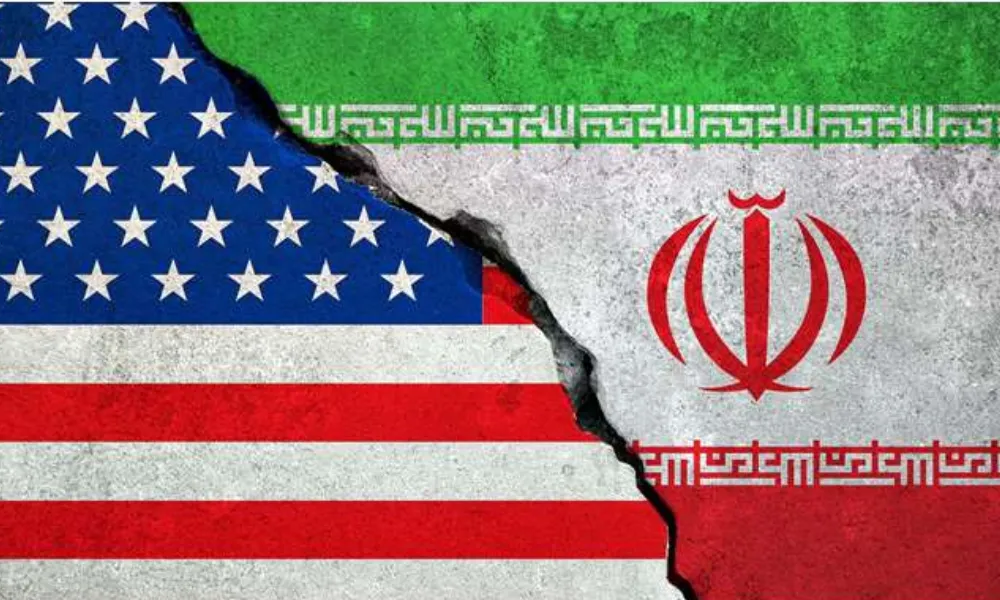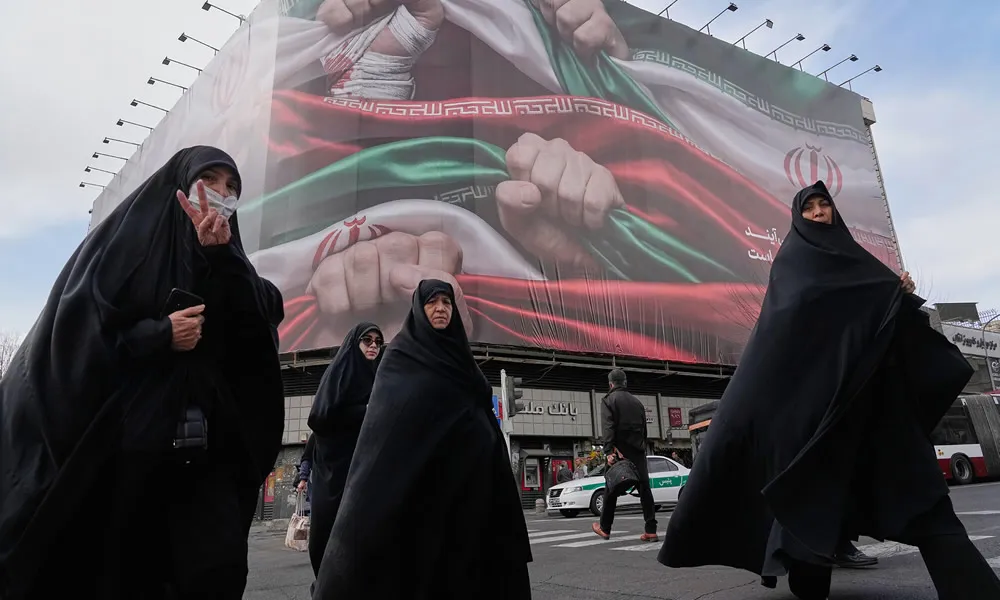
Weeks of indirect negotiations, mediated by Qatar and Pakistan, have brought Tehran and Washington a step closer to signing a 14‑point memorandum of understanding. The memorandum would declare an end to the war and open a 30‑day negotiation period aimed at a detailed agreement covering the reopening of the Strait of Hormuz, limits on Iran’s nuclear programme and the lifting of US sanctions.
During the 60‑day period, the Strait of Hormuz would remain open with no transit fees, Iran would clear the minefields it has placed in the strait and the United States would lift the blockade on Iranian ports while issuing certain sanctions waivers allowing Iran to sell oil freely.
The cost of uncertainty
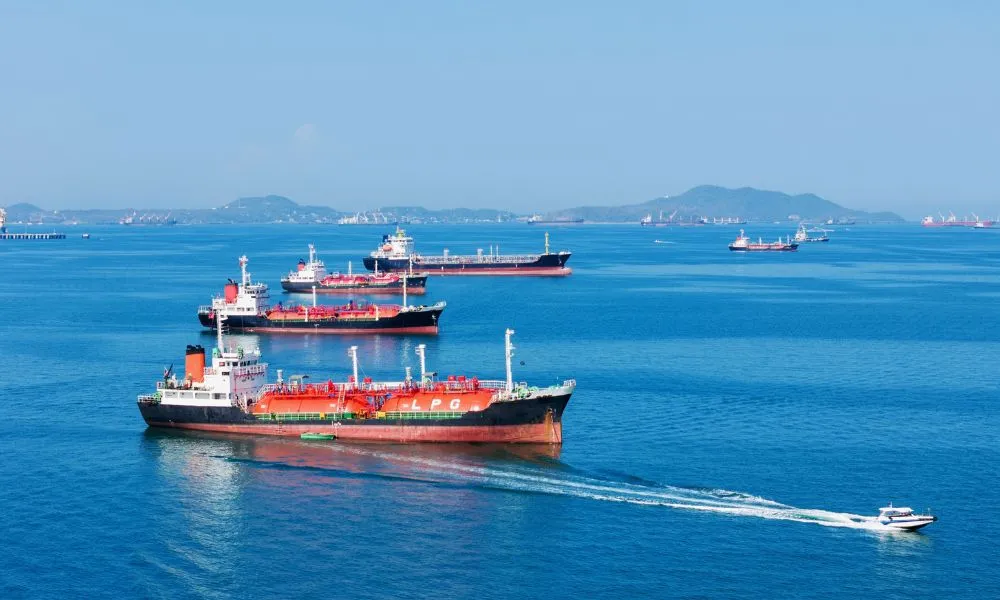
The urgency of the negotiations is largely driven by the economic consequences of the blockade. The International Energy Agency has described the closure of the strait as “the largest supply disruption in the history of the global oil market.” Since 4 March 2026, Iranian forces have declared the strait “closed,” threatening and targeting vessels attempting to cross it. The recent drop in US crude prices below 89 dollars per barrel suggests markets are increasingly pricing in a diplomatic resolution, although not yet with certainty.
The sticking points
Despite progress, differences remain on three key issues. First is the nuclear question, where Iran seeks to postpone discussions until after a formal ceasefire, while US Secretary of State Marco Rubio has reiterated that Tehran must not acquire nuclear weapons and must surrender its enriched uranium stockpile.
Second is control of the strait. Iran’s foreign ministry spokesperson Esmail Baghaei stated that the Strait of Hormuz “has nothing to do with the United States” and insisted that Iran is negotiating exclusively with Oman, which lies opposite the strait, on shipping arrangements.
Third is the issue of frozen assets, with Iran demanding the partial release of funds from the initial phase of any agreement.
The unseen signatory
Even if an agreement is reached, its ratification is expected to be complex. Any memorandum will require approval from Supreme Leader Ayatollah Mojtaba Khamenei, who remains out of public view and communicates through secure courier networks.
US officials acknowledge that this process slows negotiations. “When you are dealing with certain issues, it takes time to get responses, and the Iranians need a little more time,” Rubio said. At the same time, Donald Trump stated via social media that the agreement has been “largely negotiated” and will be announced “soon,” without providing a specific timeline. Iran, for its part, is seeking “tangible verification” of commitments before proceeding.