Turkey and the Turkish Cypriot leadership have revived plans for major energy projects linking Turkey with the Turkish-occupied north, following talks in Ankara involving Turkish Vice President Cevdet Yilmaz, Turkish Energy Minister Alparslan Bayraktar and Turkish Cypriot “prime minister” Unal Ustel.
Yilmaz said the discussions focused on projects aimed at strengthening energy security in the occupied north, increasing electricity generation capacity and advancing the supply of natural gas. In a post on social media, he said Turkey’s so-called “century” would also be the “century” of the self-declared Turkish Cypriot state, which is recognised only by Turkey, adding that President Recep Tayyip Erdogan’s vision was for a “strong and prosperous” Turkish Cypriot administration.
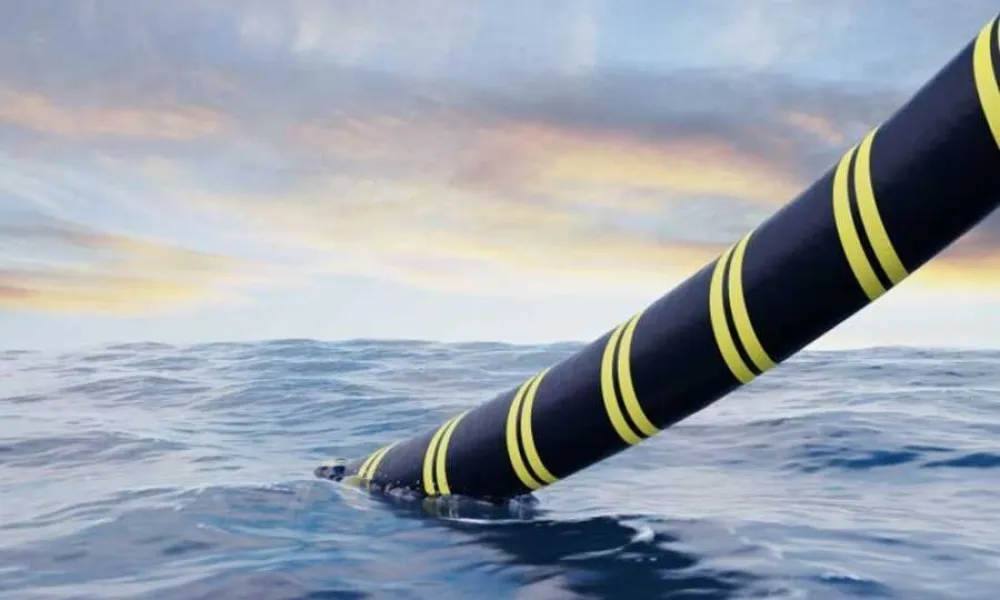
According to Yilmaz, projects currently under way include mobile power generation units, an electricity cable link, technical work on natural gas, and the maintenance and upgrading of energy infrastructure.
Ustel announced plans to transfer natural gas from Turkey to the occupied north through a pipeline, describing it as a “new project of the century”. He claimed that feasibility studies for the electricity interconnection between Turkey and the occupied north had already been completed, and expressed confidence that the “political obstacles” facing the project would be overcome with Ankara’s support.
“Water came from Anatolia through the project of the century. Now electricity and natural gas are coming too,” he said.
Ustel said natural gas would initially be used for electricity generation, with the aim of reducing energy costs and strengthening supply adequacy in the occupied north. He also called on the Republic of Cyprus and the European Union not to block the energy plans, claiming that the most “proper and sustainable” energy route to Cyprus passes through Turkey.
On the Cyprus problem, Ustel repeated the Turkish Cypriot side’s position in favour of a two-state solution, saying there could be no permanent settlement without acceptance of “sovereign equality” and “equal international status”.
Source: CNA