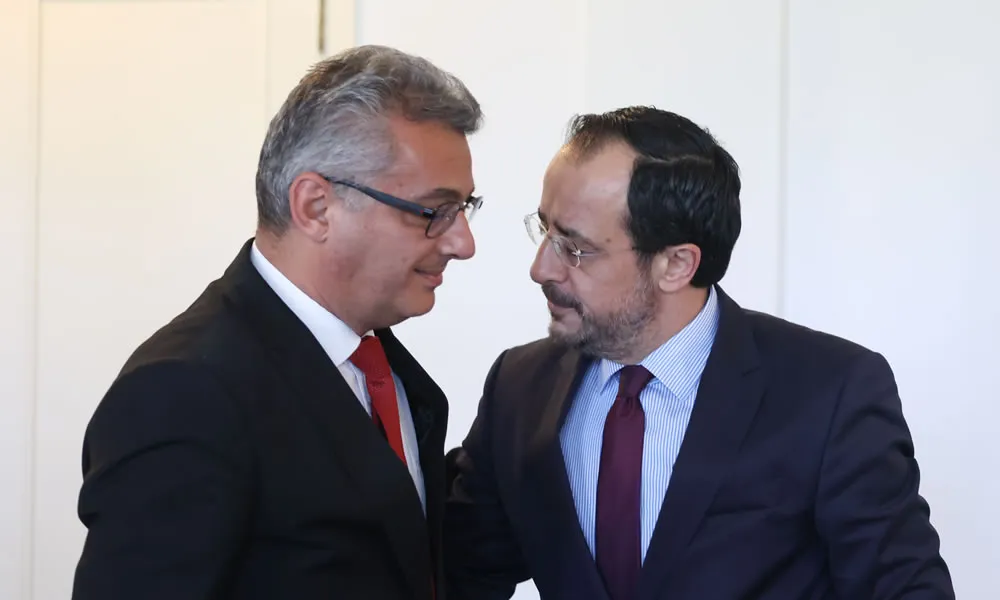
Politics is largely dominated by mediocrity, while political will and determination to find solutions have been replaced by the need for personal exposure and spectacle.
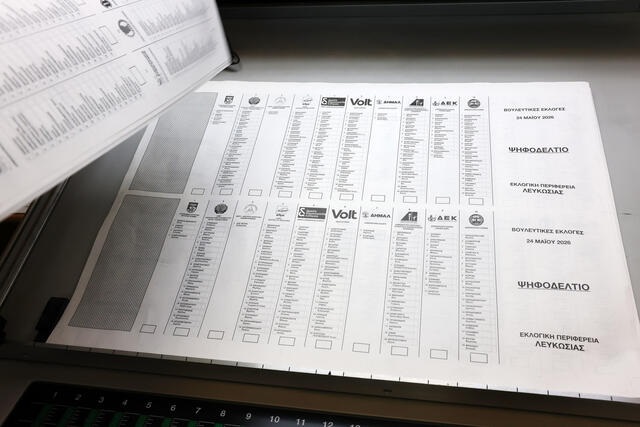
More than 750 candidates are contesting the parliamentary elections of 24 May, the highest number ever, representing 19 parties. A triumph of democracy, one might reasonably argue, since strong interest in public affairs is a healthy sign for any political system. At the same time, however, politics has a core purpose – solving the country’s problems. Problems, as is well known, are not solved with slogans or clever soundbites but with a genuine commitment to finding solutions.
Let us start with one admission: Cyprus is at a critical point of balance, where daily pressures are mounting, institutions are being tested and the future no longer feels guaranteed. Politics cannot continue to function as damage control. It must become a tool for solutions. Can things change through the citizens’ vote in the upcoming parliamentary elections?
In this context, 10 issues stand out as dominant. Not because they are the only ones, but because they cut across society and shape quality of life, trust and the country’s prospects. These are ten issues that, although constantly in the public eye, are never examined in sufficient depth – and as a result are never resolved.
1. High prices and the cost of living
High prices are no longer a temporary phenomenon. They have become a structural feature of the Cypriot economy. Data show that in recent years housing costs have risen at rates far outstripping wages, while basic goods – from food to energy – disproportionately burden low- and middle-income households.
Cyprus consistently ranks among the countries with the highest electricity prices in the European Union, due to its dependence on imported fuels and delays in the green transition. At the same time, the rental market, particularly in Nicosia and Limassol, is experiencing explosive increases. The latest figures analysed by the European Trade Union Institute add to a body of data illustrating the scale of the problem, with wages failing to cover rising housing costs. The average rent for a two-bedroom apartment in Nicosia stands at 85 per cent of the minimum wage of €1,088, or €924. Across Cyprus, average rents amount to 42.4 per cent of the minimum wage, or €461. In cities such as Limassol, rents are known to be significantly higher.
How can the problem be addressed? The answer cannot rely solely on allowances. A mix of policies is required: strengthening competition, stricter oversight of price gouging, faster investment in renewable energy and a comprehensive housing policy to increase the supply of affordable homes. Without these measures, high prices will continue to widen inequalities, with half of citizens already saying they cannot make it through the month or are living below the poverty line.
2. Corruption and institutional credibility
The crisis of trust in institutions is not an abstract concept. It is reflected in opinion polls, where citizens report high levels of distrust in political leadership and the justice system. Cases such as the citizenship-by-investment scandal and repeated allegations of conflicts of interest have created an image of impunity.
According to Eurobarometer, 94 per cent of Cypriots believe corruption is widespread in the country. Eighty-eight per cent say corruption exists in local or regional public institutions, while 89 per cent believe it exists in national institutions. Cyprus ranks third in the EU, with 72 per cent of companies considering corruption a problem for doing business.
Despite the establishment of bodies such as the Anti-Corruption Authority, effectiveness remains elusive. The authority itself is rapidly losing credibility due to long delays in publishing findings and a lack of transparency. Delays in the administration of justice are also critical, with cases dragging on for years and undermining accountability.
Restoring trust requires concrete steps: speeding up court proceedings through digitalisation and staffing, full transparency in executive decision-making and genuine empowerment of independent authorities with adequate resources and powers. Without these, any other reform will falter in an environment of suspicion.
3. Low birth rate: an ageing Cyprus
Low birth rates in Cyprus are becoming a silent but profound crisis, as the population ages and births remain below replacement levels. The issue goes beyond the family unit, affecting the economy, the pension system and the sustainability of public services.
In the short term, a serious increase in birth allowances could help. In the medium and long term, Cyprus needs a comprehensive strategy to reduce the real cost of starting a family. The first and decisive step is housing policy, ensuring affordable homes for young couples. At the same time, strengthening public and subsidised childcare and introducing flexible working arrangements would help balance professional and family life.
Compared with neighbouring Israel, family formation in Cyprus is heavily influenced by the cost of living. Housing, childcare and daily care costs act as deterrents, particularly for young couples. Allowances exist but are limited and often fragmented. Family policy has yet to become a coherent strategy. In Israel, by contrast, support is multi-layered and consistent: substantial family benefits, extended maternity leave, subsidised childcare and, crucially, generous coverage of fertility treatments create an environment in which having a child is not an economic risk. The state does not merely intervene after the fact but actively shapes conditions that favour family life.
4. Housing and urban development
Housing is no longer a problem only for vulnerable groups. It affects the middle class, young workers and even couples with stable incomes. Rising demand, combined with investment schemes and limited supply, has pushed prices beyond the reach of large sections of the population.
Urban development is also fragmented. Areas grow without adequate infrastructure, traffic congestion worsens and the lack of green and public spaces undermines quality of life.
Experience from other European countries shows that solutions require long-term planning: creating a stock of social housing, using state land for affordable developments, stricter planning controls and investment in sustainable mobility – from public transport to cycling infrastructure. Without a comprehensive plan, cities will continue to grow on market terms rather than social cohesion. In cities such as Nicosia and Limassol, the construction of specific road links, such as Nicosia–Troodos and Limassol–Platres, could significantly ease pressure by enabling thousands of young people to remain in or return to their communities.
5. Education is failing at a philosophical level
Education in Cyprus faces a range of pedagogical challenges that directly affect learning quality and preparation for the future. The system remains largely exam-centred, prioritising rote learning over critical thinking, creativity and problem-solving skills. The Pancyprian exams dominate the school experience, creating intense stress and limiting the school’s educational role.
There is also a disconnect between education and the labour market, leaving many graduates without the skills demanded by a modern economy. Limited use of technology and insufficient teacher training in contemporary teaching methods further compound the problem. The system also struggles to meet diverse student needs, while inequalities deepen.
Transitioning to a more flexible, student-centred education model is essential if schools are to move beyond being examination machines and become spaces of meaningful learning and development. Unfortunately, attempts at reform have repeatedly met resistance from teachers’ unions, which approach education through a corporatist lens, to their own benefit and not that of students.
6. The Cyprus problem and geopolitics – the missing strategy
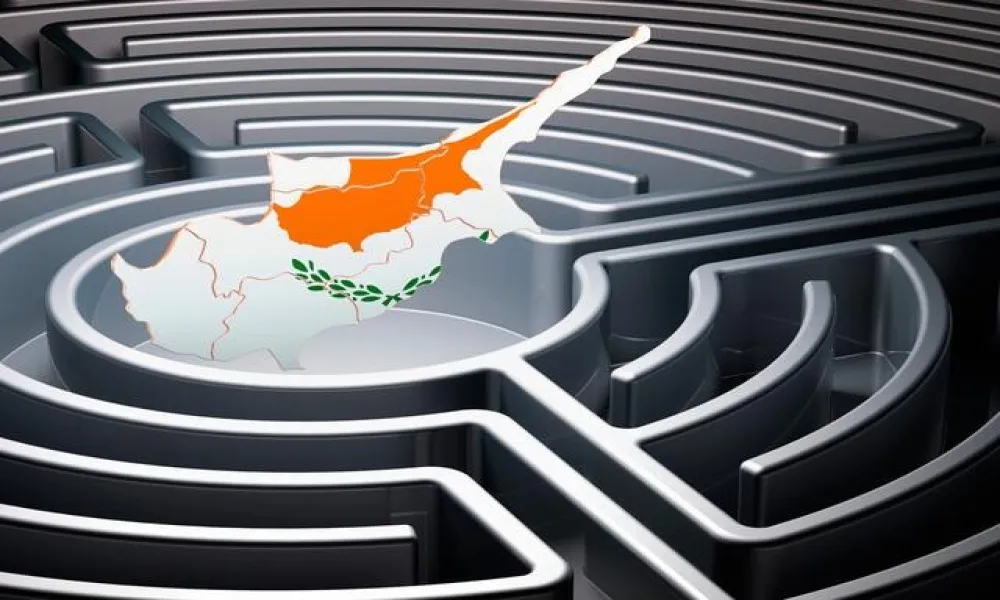
The Cyprus problem remains the defining issue for the country’s future. Yet recent years have seen stagnation and growing public fatigue. The absence of negotiations and a clear strategy has created a dangerous vacuum. In practice, Cypriot politicians – particularly former president Nicos Anastasiades and current president Nikos Christodoulides – have played irresponsibly with time, raising doubts internationally about whether they genuinely seek a solution.
At the same time, Cyprus sits in a region of heightened geopolitical importance. Energy developments in the eastern Mediterranean, EU-Turkey relations and regional tensions directly affect the country’s options.
The challenge is to turn this geopolitical position into an advantage through active diplomacy, effective use of EU membership and a reframing of the Cyprus problem that combines realism with consistency. Without a strategy, stagnation is becoming the new normal, edging towards a two-state outcome.
7. Traffic and mobility – daily suffocation
Cyprus’s dependence on private cars is almost total. The absence of an integrated, reliable public transport system turns daily travel into an ordeal. In Nicosia and Limassol, rush hour resembles major European capitals – without the alternative options. Traffic congestion is not merely an inconvenience. It affects productivity, increases living costs and harms the environment. Without investment in public transport, smart traffic management and sustainable mobility, the problem will intensify and urban life will become unbearable.
8. Climate change, energy and water scarcity
Cyprus is on the frontline of the climate crisis. Prolonged heatwaves, declining rainfall and growing pressure on water resources are not scenarios but realities. Water scarcity already affects agriculture, the economy and daily life. Had March and April not brought sufficient rainfall, summer water rationing would have been inevitable.
Meanwhile, the energy transition is lagging, maintaining dependence on fossil fuels. High energy costs amplify inflation, undermining competitiveness and household incomes. A striking contradiction is that large amounts of electricity generated by photovoltaics are wasted due to the lack of storage infrastructure.
Addressing the challenge requires a coordinated strategy: investment in renewables, water conservation, infrastructure upgrades, more desalination plants and a shift in mindset. Otherwise, the crisis will become a permanent brake on development.
9. An economy dependent on too few sectors
The Cypriot economy remains reliant on a narrow range of sectors, such as services, real estate and tourism. This leaves it vulnerable to external shocks, from crises to geopolitical tensions, while limited diversification restricts the creation of stable, well-paid jobs. When growth rests on a few pillars – as this year’s tourism performance shows – resilience is tested whenever conditions change.
Cyprus needs a new development model that invests more in innovation, technology and research. Efforts are being made, but so far they have not delivered meaningful diversification. Growth therefore remains opportunistic and uneven.
10. Low wages
Low wages relative to the cost of living are one of the most pressing realities for households. Despite recent economic growth, earnings have not kept pace with rising prices for basic goods, rents and energy, while the minimum wage has yet to exceed €1,000 per month. Purchasing power is steadily eroding, with more workers struggling to meet basic needs. Young people and the middle class are particularly affected, limiting consumption, savings and overall economic mobility.
How the problems interact
These 10 issues do not operate in isolation. High prices affect housing. Lack of trust in institutions undermines economic activity. Weak education, combined with limited prospects for young people, links directly to political and economic stability and contributes to low birth rates.
Everyone understands that solutions are neither easy nor painless. They require confronting vested interests, changing mindsets and consistency in implementation.
What Cyprus needs today is not more promises but a politics that recognises reality and dares to change it. Unfortunately, observing the country’s political class through statements, appearances and interviews, one sees a serious deficiency. Politics is largely dominated by mediocrity, while the will and determination to find solutions have been replaced by personal promotion and spectacle. All candidates claim positions on everything, with most talking nonsense. There is little focus on the five to ten core issues that truly matter.
If over the next five years Cyprus manages to curb corruption, tackle housing, transport and low birth rates, broaden the horizons of the economy and education and even resolve the Cyprus problem, just imagine how much better a society it would be.