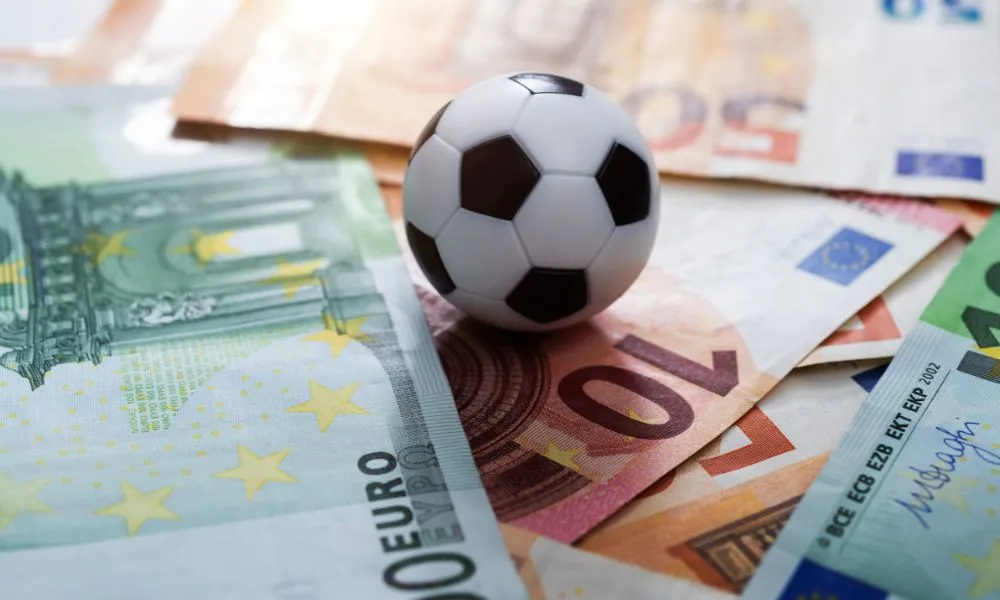

The 2026 World Cup is expected to bring a heightened risk of gambling addiction, as bettors are exposed to increasingly intense advertising campaigns, according to experts.
In France, the proportion of players who gamble excessively, defined by a loss of control, is estimated at 15%. These individuals are seen as particularly vulnerable to targeted marketing by betting operators, which are set to spend €785 million on advertising this year, a 25% increase, France’s gambling regulator said.
Betting activity during the tournament is projected to surge significantly, with estimates suggesting a 71% increase compared to the 2022 World Cup in Qatar and 185% compared to the 2018 tournament in Russia, reaching a turnover of $60 billion. These figures do not include illegal or unregulated markets.
The growth is linked to the expansion of online betting platforms and the widening of regulated markets, including the entry of Brazil in 2025. The World Cup is also seen as a key opportunity to attract new users.
According to a study by payments platform Paysafe, 19% of viewers plan to place their first online bet during the tournament, while overall, 60% of fans intend to bet online. Betting company Betclic expects an additional one million active players across its markets.
In February, the French National Gaming Authority called on operators to reduce advertising pressure after a sharp increase in promotional spending linked in part to the World Cup.
Gambling addiction is recognised as a disease by the World Health Organization. Experts warn that the tournament period poses a “high-risk” environment, as betting promotions become more sophisticated, combining influencers, targeted ads, betting tips and bonus offers.
In the United Kingdom, restrictions prohibit gambling advertisements five minutes before and after matches in an effort to protect minors, though experts consider the measure insufficient.
Source: CNA