
A new European Union regulation banning the destruction of unsold clothing, footwear and fashion accessories came into force on 19 July 2026, marking a significant shift in how retailers manage excess inventory.
Under the new rules, large companies can no longer destroy unused products through incineration, landfill disposal, shredding or even recycling if the items have never been used. The measure applies directly across all EU member states, including Cyprus.
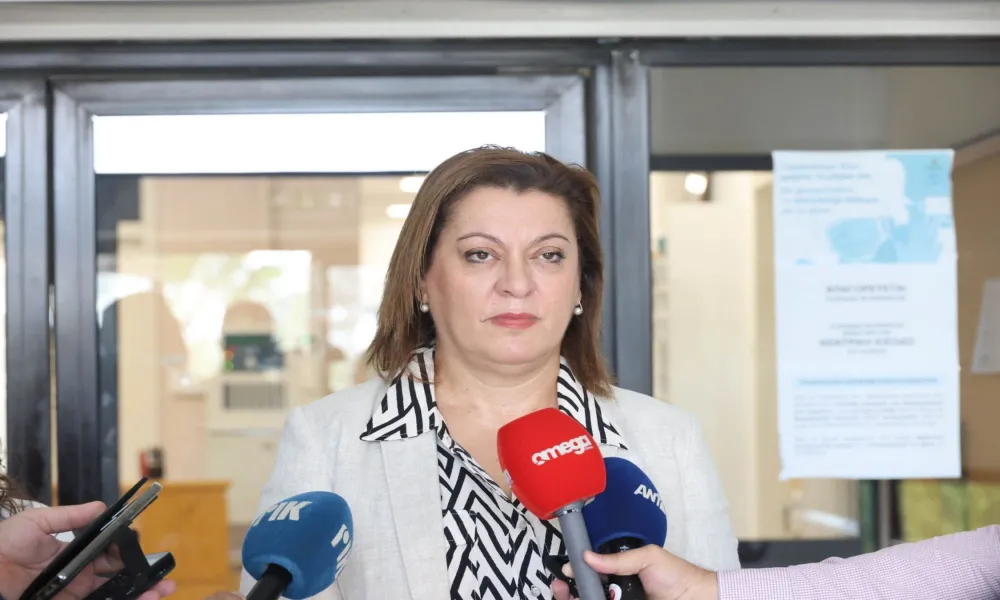
Former Green Party MP Charalambos Theopemptou, speaking to Politis radio, said companies have often found it cheaper to destroy unsold products than to return them to the market or donate them.
"A shirt was made to be worn," he said, explaining that while shredded clothing can be converted into insulation materials, sofa stuffing or other products, this should not be the first option because the item loses its original purpose.
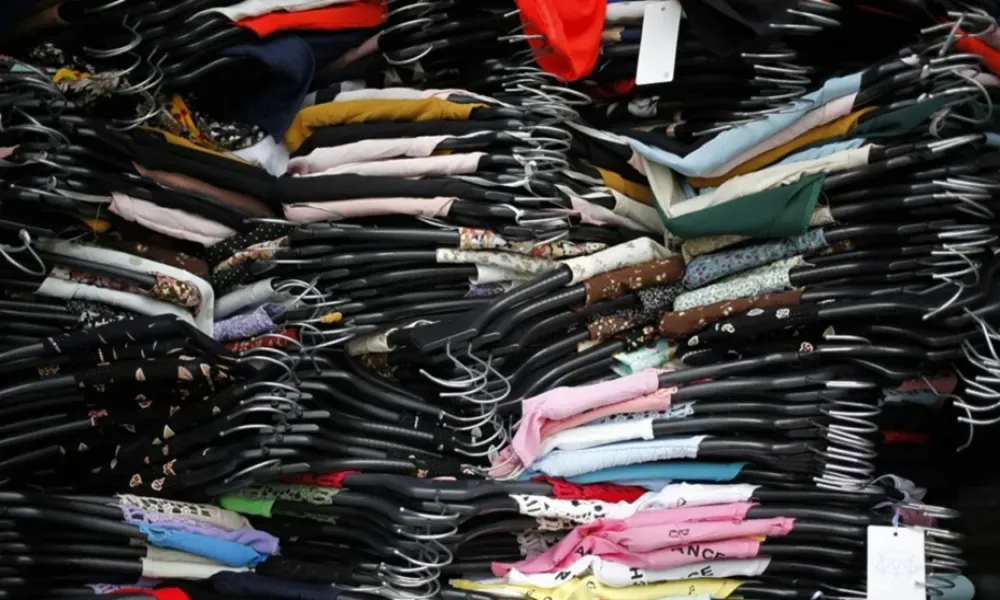
Mountains of unused clothing
The scale of the issue is considerable.
According to European data, between 4% and 9% of all textile products placed on the EU market are destroyed before being used even once.
That translates to between 264,000 and 594,000 tonnes of clothing and textile products every year.
Theopemptou attributed the problem largely to online shopping returns and the overproduction associated with the fast-fashion industry.
Around one in five garments purchased online in Europe is returned, while return rates can be up to three times higher than for purchases made in physical stores.
It is estimated that roughly one-third of returned clothing ends up being destroyed.
At the same time, about 21% of clothing products remain unsold, as companies continuously produce new collections based on demand forecasts that often fail to materialise.
Environmental impact
The destruction of new products carries a substantial environmental cost.
According to Theopemptou, the practice wastes the water, energy, raw materials and labour invested in manufacturing and transporting clothing.
The environmental impact of destroying unsold textile products is estimated at around 5.6 million tonnes of carbon dioxide annually, a figure comparable to Sweden's total net emissions in 2021.
The new EU approach is based on a simple principle: a product created to be worn should first exhaust every opportunity to fulfil its intended purpose.
What companies must do
Under the regulation, large companies will be required to improve inventory management and reduce overproduction.
Unsold products can be:
- Sold at discounted prices
- Redirected to outlet stores or alternative markets
- Donated to charities and social economy organisations
- Repaired, refurbished or remanufactured for resale
Companies must also disclose information about discarded unsold products and explain the reasons for disposal.
A standardised EU reporting framework will become mandatory from February 2027.
A company is considered large if it exceeds at least two of the following thresholds:
- Assets of €25 million
- Annual turnover of €50 million
- An average workforce of 250 employees
Limited exceptions
Destruction will only be permitted in specific and documented circumstances, including when products:
- Are unsafe
- Have been seriously damaged or contaminated
- Cannot be repaired
- Infringe intellectual property rights
- Fail to comply with EU or national legislation
Businesses relying on an exemption must retain supporting documentation for five years.
Donations before disposal
Before claiming that products could not be donated, companies must either:
- Offer them directly to at least three eligible social economy organisations within the EU, or
- Publish a donation offer on their website for at least eight weeks
Only if no organisation accepts the products can disposal be considered under certain conditions.
Recycling counts as destruction
One of the regulation's most notable provisions is that sending an unsold product directly for recycling is considered a form of destruction because the item can no longer fulfil the purpose for which it was originally produced.
As a result, recycling should only occur after all opportunities for reuse, donation, repair or refurbishment have been exhausted.
Where destruction is legally permitted, companies must follow the EU waste hierarchy, with recycling preferred over energy recovery through incineration and landfill disposal.
Impact on Cyprus
In Cyprus, the new rules are expected to affect mainly large clothing and footwear retailers, as well as international online platforms operating in the local market.
These businesses will need to rethink how they manage returns, seasonal stock and unsold inventory, placing greater emphasis on resale, repair and donation.
Theopemptou noted, however, that environmental organisations have raised concerns about whether charities and social organisations will be able to absorb large volumes of inexpensive, low-quality clothing.
He argued that the real challenge is not simply finding a different destination for unsold goods but addressing the overproduction that lies at the heart of the fast-fashion business model.