
There was a time after the first Aphrodite gas discovery in 2011 when Cyprus considered major domestic export infrastructure to develop its offshore gas. Fifteen years and multiple discoveries later, it has opted for a faster route to production through Egypt as it seeks to establish itself as a natural gas producer within the next two years.
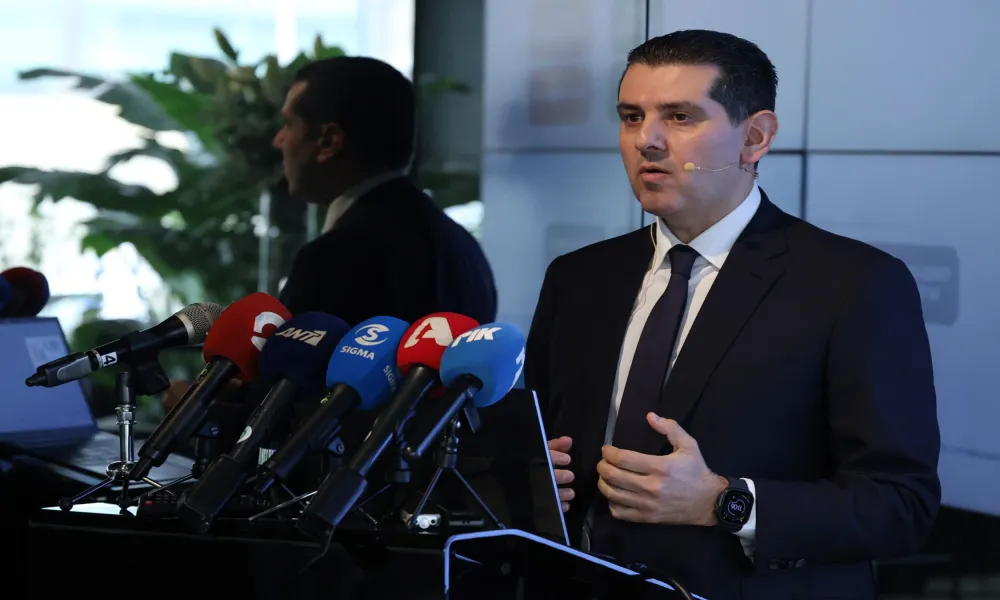
In an interview with industry publication MEES, Energy Minister Michael Damianos reflects a significant evolution in the government's energy strategy, with policymakers prioritising speed to market and commercial viability over direct revenues and domestic exports.
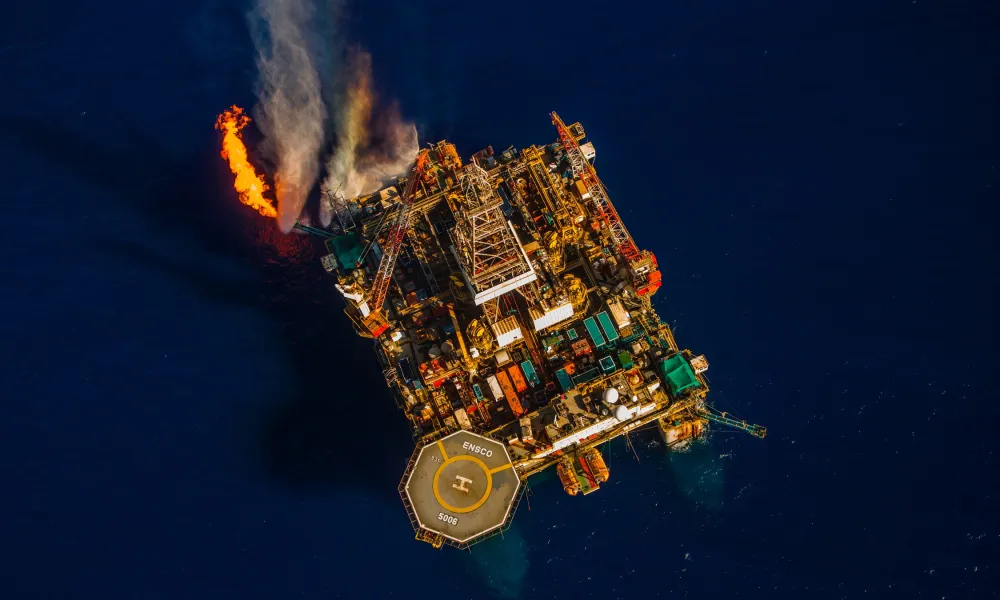
The clearest example is the Cronos gas field in block 6 of Cyprus’ Exclusive Economic Zone, where a final investment decision (FID) was taken in July and first gas is expected in 2028.
MEES reported that the $2.2 billion Cronos project will send gas to Egypt through a dedicated subsea connection to existing infrastructure linked to the giant Zohr field. The arrangement allows Cyprus to become a producer by 2028 while avoiding the substantially higher costs associated with a standalone export project.
According to the publication, Nicosia has concluded that near-term monetisation outweighs the political and commercial arguments for creating a domestic LNG export route.
In the interview, Damianos repeatedly frames Cronos as more than a commercial project but a development of strategic importance.
He described the FID taken by the Eni/Total consortium as “a historic milestone for Cyprus”, highlighting the country’s first shift from exploration to commercial development.
“It confirms that Cyprus can move beyond discovering resources and begin producing them,” he told MEES.
Trade-off
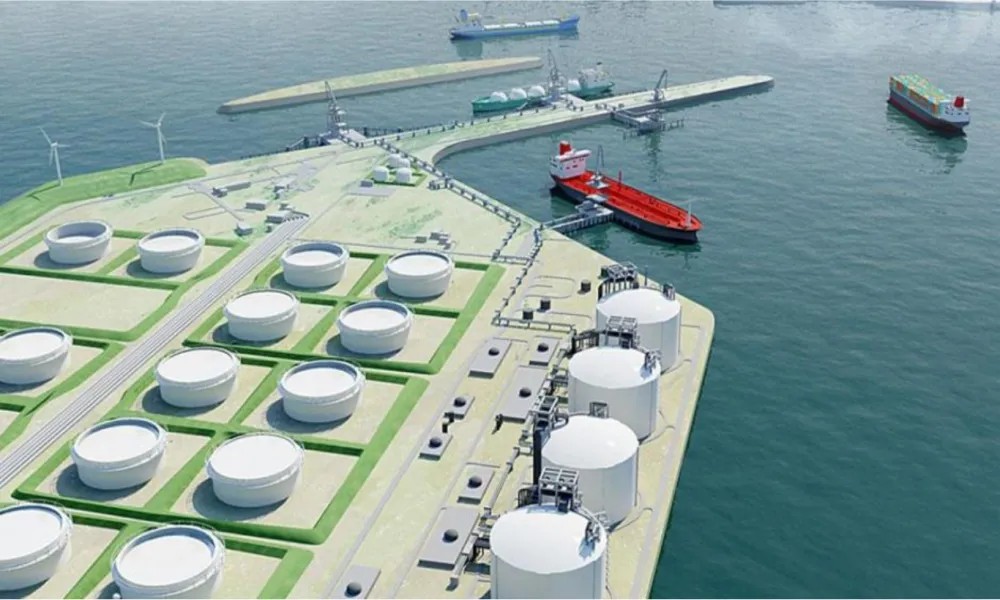
While earlier political debates in Cyprus often focused on large-scale domestic infrastructure projects, including an LNG export terminal, the Cronos development will instead rely on Egyptian facilities to process and export gas.
According to MEES, 20% of the Cronos volumes will be allocated to Egypt for domestic use, with the remaining 80% exported via the Damietta LNG plant, which Eni operates with a 50% stake.
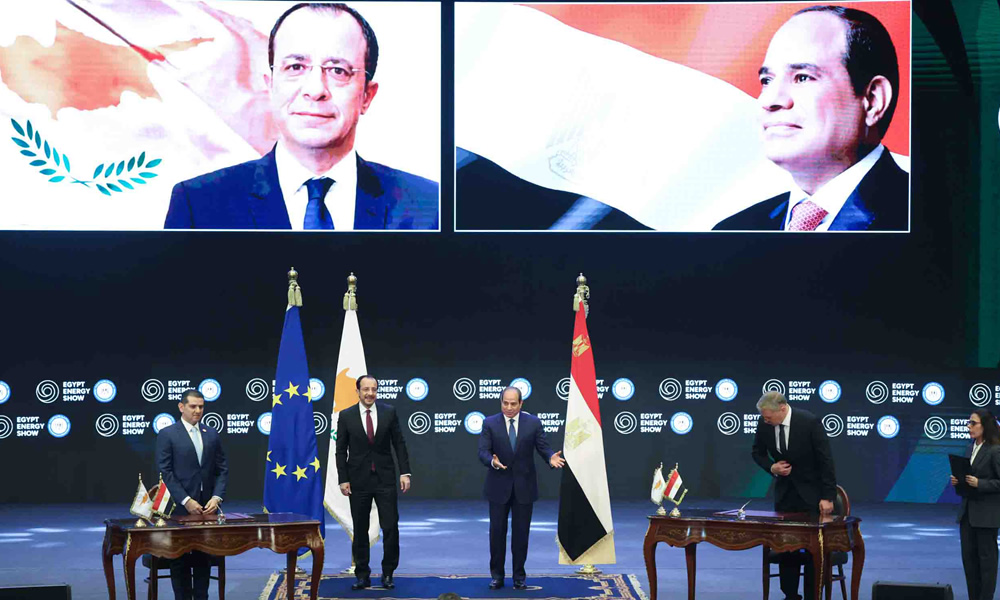
Damianos acknowledged that the approach may reduce Cyprus' share of the value generated by the project because of transportation, processing and liquefaction costs, but argued the trade-off is justified.
"The key question is not whether those costs exist, but whether the overall project creates value for Cyprus after taking them into account. The Government's assessment is that it does," he told MEES.
According to the minister, waiting for entirely new infrastructure could have significantly delayed monetisation and potentially threatened the project's viability.
Also, the interview highlights another potentially important consequence. Infrastructure built for Cronos could later be used to develop additional discoveries in Block 6, including Zeus and Calypso, raising the prospect that the field becomes the foundation of a wider gas hub rather than a standalone project.
Could first discovery be last to market?
On the prospects of Chevron taking FID on its Aphrodite concession in block 12 after years of setbacks, the energy minister said the current target remains a final investment decision in 2027 and first gas around 2030-2031.
He also suggested that long-running negotiations with Israel over the cross-border Ishai reservoir were approaching resolution.
"Discussions with Israel are at an advanced stage and continue to be constructive," he said.
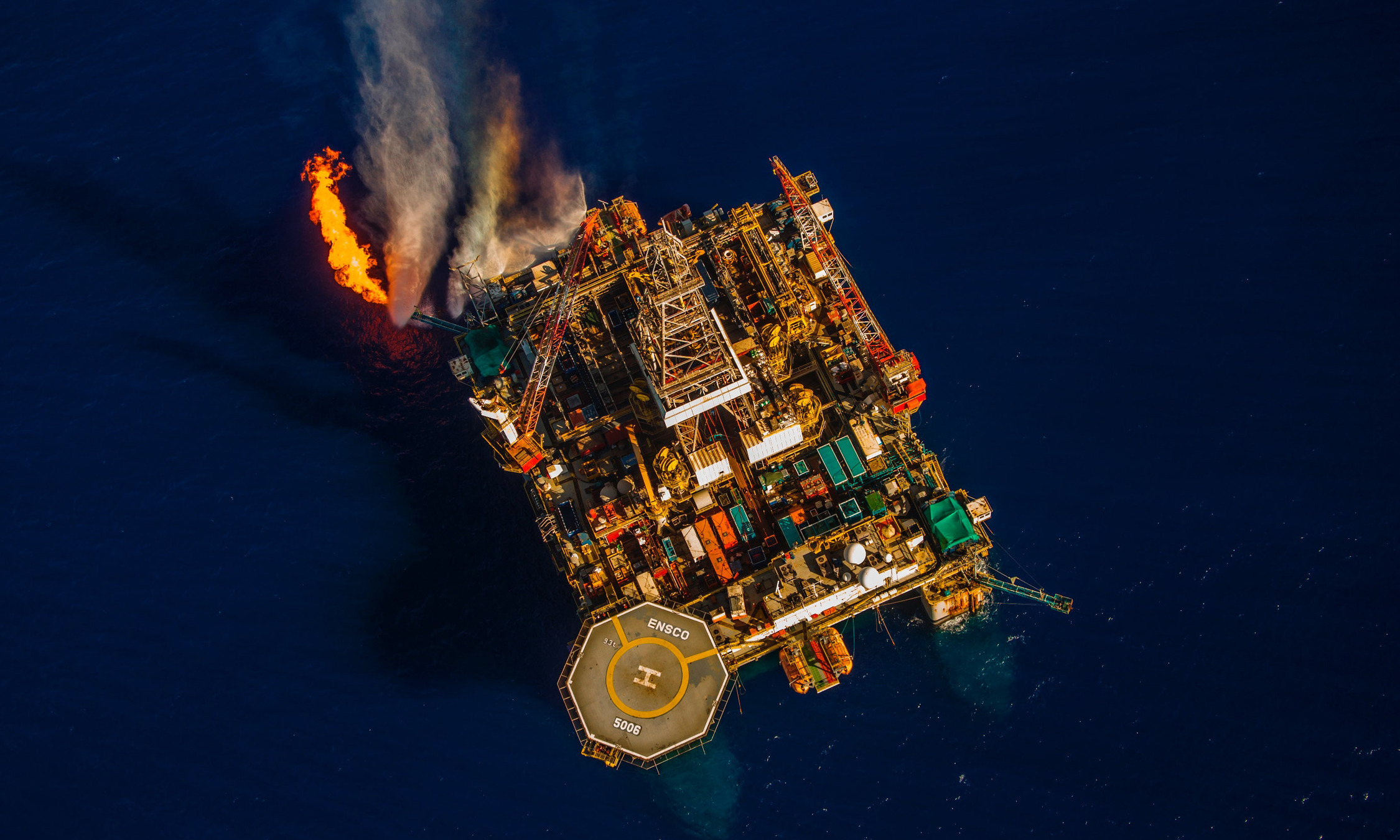
He added that the development timetable for Aphrodite was not linked to the Ishai negotiations but was being treated as a “parallel track”, and that both sides remained committed to reaching a settlement.
“We do not see the bilateral discussions as a reason to delay progress towards FID.”
ExxonMobil discoveries – Egypt, FLNG or domestic gas supply?
Regarding ExxonMobil's discoveries offshore Cyprus, MEES probed the minister on whether the government was still actively promoting Egypt as the preferred route for monetizing those discoveries, or whether it was encouraging ExxonMobil to assess alternatives such as a Floating Liquified Natural Gas (FLNG) facility or domestic gas supply.
Rather than promoting a single export solution, Damianos indicated the government is prepared to consider a range of monetisation options, including floating LNG facilities.
"Our approach is not to prescribe a single development solution," he said.
The minister added: “Egypt is an attractive option because it offers existing infrastructure, a large domestic market and immediate commercialization opportunities. However, we have always said that all viable options should be assessed on their merits.
“The important point is that Cyprus wants to maximize long-term value while ensuring projects are commercially realistic and capable of being delivered.”
Energy security
Perhaps the most significant political message, however, concerns energy security.
Despite Cyprus' gas ambitions, Damianos made clear that the government does not see offshore gas as the primary answer to the island's long-term “significant energy security challenges”.
MEES put it to him that recent regional conflicts have demonstrated how quickly energy security can become a strategic issue. And yet Cyprus still relies heavily on imported oil products for power generation while its offshore gas developments are largely geared towards exports.
Asked whether the government has placed too much emphasis on monetizing Cyprus’ gas through Egypt at the expense of developing a coherent domestic energy strategy, the minister replied that the choice was not between exports or domestic energy security.
“Cyprus needs both,” he said.
“Commercializing offshore gas through export projects provides the economic foundation that makes development possible,” the minister added.
Damianos described a strategy centred on use of natural gas in power generation in parallel with an increasing share of renewable energy, battery storage capacity, electricity interconnections and a gradual reduction in dependence on imported oil products.
"Energy security does not mean producing every unit of energy domestically. It means having access to reliable, diversified and affordable energy supplies," he said.
Two-track policy
In effect, the interview points to a two-track policy: exporting offshore gas through commercially viable projects while transforming the domestic electricity system through imported natural gas, renewables, storage and regional interconnection.
He described battery storage as a way to address the challenge of capturing renewable energy that would otherwise be curtailed, while improving grid flexibility in the near term.
On the Great Sea Interconnector, Damianos said this would be a complementary rather than competing investment.
“(Electricity) interconnection addresses a different challenge. It increases system resilience, enables cross-border electricity trading and supports the longer-term integration of larger volumes of renewable energy.
“Because they solve different problems, we continue to see value in both,” he said.
Looking ahead, the minister said: “Ten years from now, I would expect Cyprus to have a significantly different energy mix than today, with much greater penetration of renewables, energy storage, interconnection capacity and natural gas. Offshore gas developments can contribute to that transition, but they are only one part of the overall strategy.”
Source: MEES