EU member states have approved Council conclusions on sustainable and competitive tourism, in what Cyprus described as a key outcome of its Presidency of the Council of the European Union.
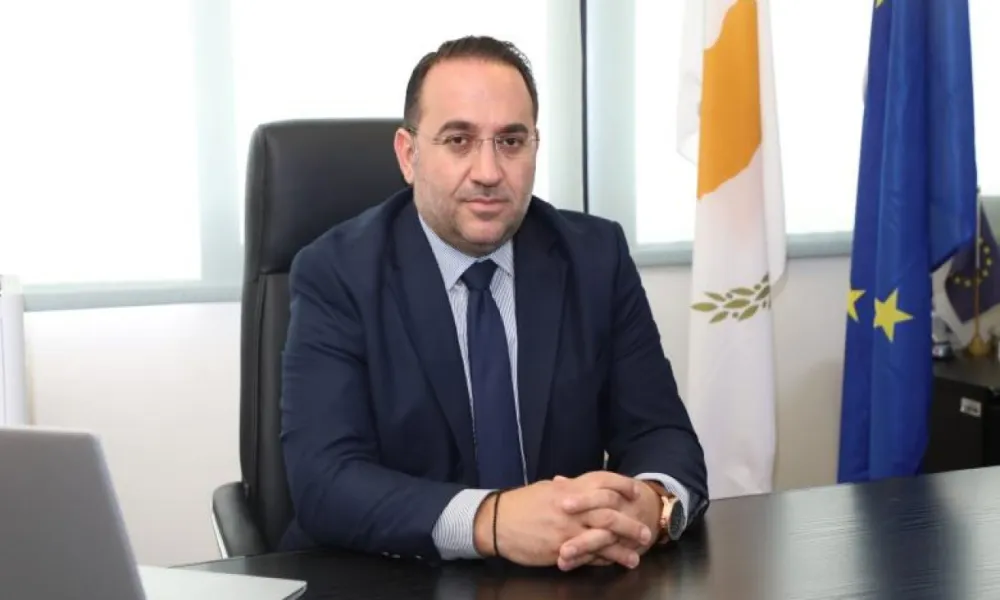
Deputy Minister of Tourism Kostas Koumis, speaking from Brussels, said the approval sent “a strong political message” on the strategic importance of tourism for the European economy, regional development and social cohesion.
“The Cyprus Presidency has just completed discussions at the Competitiveness Council in the field of tourism,” Koumis said, thanking the European Commission for its active participation and Transport and Tourism Commissioner Apostolos Tzitzikostas for what he described as constructive cooperation throughout the Cyprus Presidency.
Koumis said he was particularly satisfied that a central commitment of the Cyprus Presidency had been fulfilled.
“We approved the Council conclusions entitled ‘Building Sustainable and Competitive Tourism for the Future’, sending a strong political message on the strategic importance of tourism for the European economy, regional development and social cohesion,” he said.
According to Koumis, the conclusions are expected to guide the EU’s new strategy for sustainable tourism, which the European Commission is due to present, and help shape the future of the sector across Europe.
The meeting also included a discussion on the impact of geopolitical tensions in the Middle East on European tourism.
Koumis said ministers exchanged views on how rising energy costs, supply chain disruptions and growing uncertainty are affecting the tourism sector. The discussion, he added, helped identify ways to safeguard the sustainability and resilience of tourism at European level.
He said the session confirmed the shared determination to keep Europe as the world’s leading tourism destination, while ensuring the sector becomes more sustainable and more resilient.
In a separate statement, the Deputy Ministry of Tourism said the approval of the conclusions was one of the flagship legacies of the Cyprus Presidency and the result of its own initiative.
“Tourism is a key driver of growth, employment and cultural exchange across the EU. Today’s conclusions set out a clear path towards ensuring the long-term resilience and competitiveness of the sector in a rapidly changing environment,” Koumis said after the conclusions were adopted, according to the statement.
The Deputy Ministry said the conclusions place tourism at the centre of European policy and focus on balanced tourism, including efforts to address both overcrowding and under-visited destinations. They also call for stronger support for regional, island, mountain and remote destinations.
They further highlight year-round and sustainable connectivity, with particular recognition of the dependence of island member states on air links.
The conclusions also cover the green and digital transition as a driver of competitiveness and resilience, as well as skills and quality jobs in the tourism sector. They also address crisis resilience and preparedness, alongside multi-level governance of the tourism ecosystem.
Source: CNA