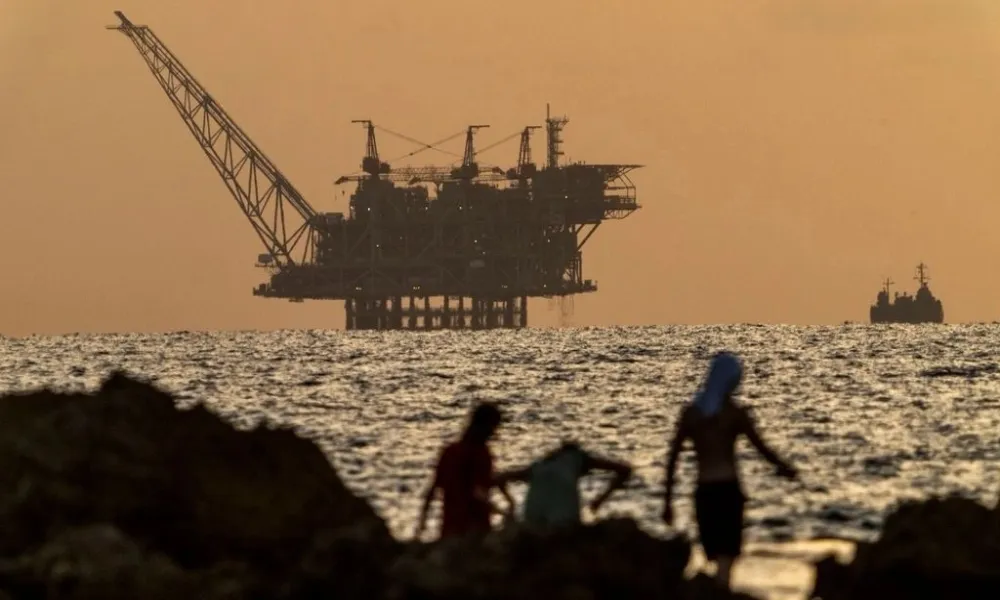

The conflict in the Middle East is prompting countries to revisit their energy strategies, opening new supply routes and turning to domestic resources to confront what is now the second energy crisis in five years, according to the International Energy Agency.
“We are experiencing the most serious energy security crisis the world has ever seen, and I believe it will reshape investment strategies on a global scale, as happened during the major disruptions that followed the oil crises of the 1970s,” said IEA Executive Director Fatih Birol.
He added that both producing and consuming countries are already intensifying efforts to diversify trade routes and energy sources, particularly through new pipelines and supply infrastructure, while increasing reliance on national resources.
The IEA estimates that global energy investment will reach 3.4 trillion dollars in 2026, slightly higher than the previous year. Of this, around 2.2 trillion will be allocated to electricity networks, storage, low‑emission fuels, nuclear energy, renewables, energy efficiency and electrification.
At the same time, around 1.2 trillion dollars is expected to be invested in oil, gas and coal.
However, oil investment is projected to decline for a third consecutive year in 2026, falling below 500 billion dollars despite rising crude prices. This is attributed to uncertainty over how long the price increase will last, project timelines, supply constraints and tight conditions in offshore drilling markets, which are limiting short‑term investment outside the Middle East.
In contrast, investment in natural gas is expected to reach 330 billion dollars, its highest level in a decade, supported by a wave of new liquefied natural gas export projects led mainly by the United States and Qatar.
At the same time, oil‑importing countries are increasingly turning to energy sources available within their own borders, including renewables, nuclear energy and coal.
The IEA projects that investment in renewable energy will reach around 665 billion dollars in 2026, with 365 billion alone going to solar power.
Investment in nuclear energy continues to recover and is expected to exceed 80 billion dollars annually, while coal investment is projected to rise to 180 billion dollars, the highest level since 2012.
China alone is expected to account for nearly 70% of global coal supply investment, while some Asian countries may seek to extend the lifespan of existing coal‑powered plants to strengthen energy security.
Finally, investment in electricity supply and infrastructure is expected to reach nearly 1.6 trillion dollars in 2026, including approximately 550 billion for power grids, while spending on battery storage is projected to exceed 100 billion dollars.
Source: CNA