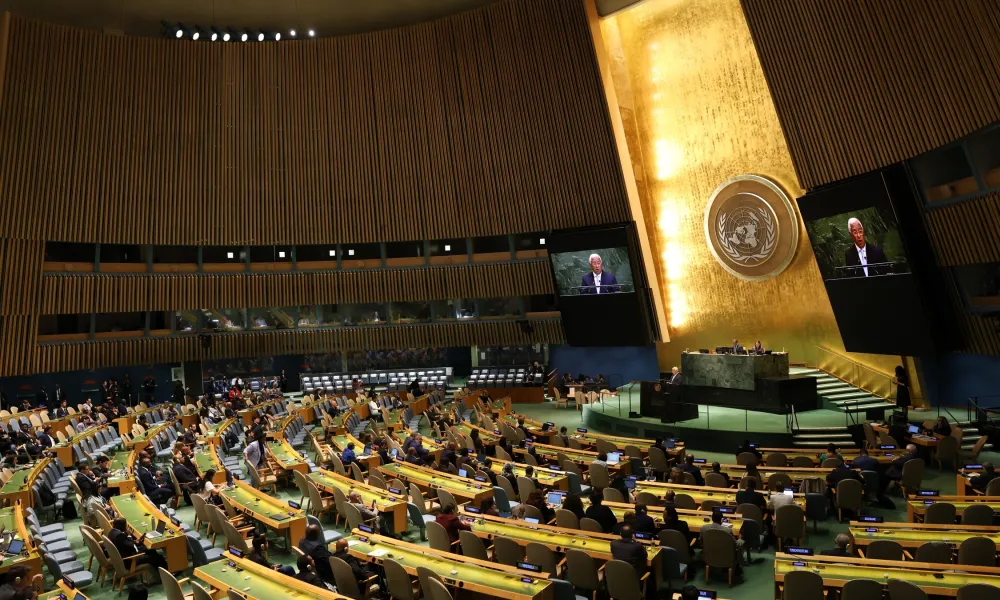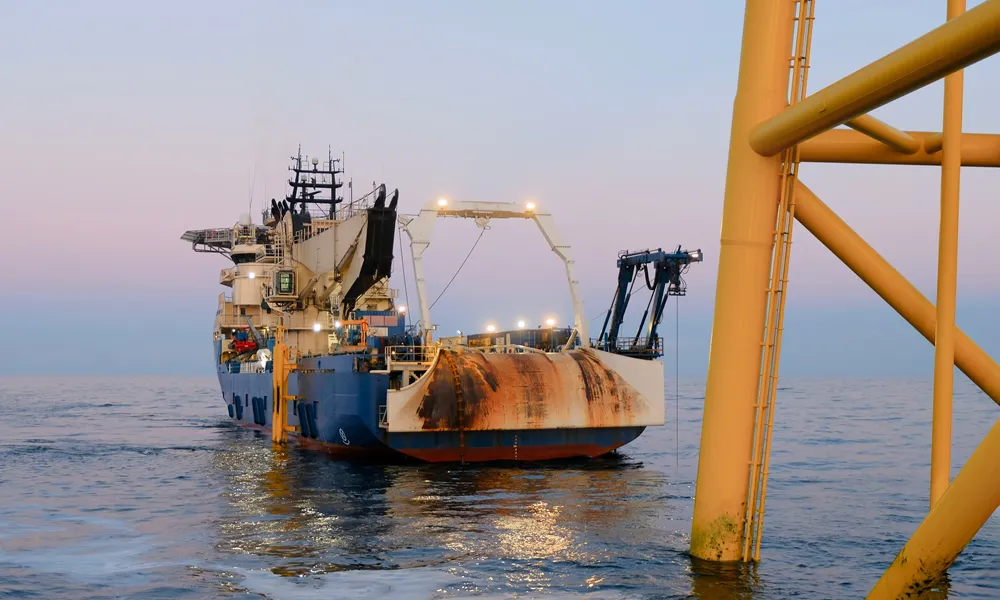



The informal Council of EU Energy Ministers taking place in Nicosia on Wednesday is bringing together a notable gathering of officials this afternoon to discuss the Great Sea Interconnector, the long-delayed undersea electricity link between Crete and Cyprus. Seated at the same table will be EU Energy and Housing Commissioner Dan Jørgensen, Greek and Cypriot Energy Ministers Stavros Papastavrou and Michalis Damianos, ADMIE chief executive Manousos Manousakis, and European Investment Bank vice-president Yannis Tsakiris. The project's progress was also discussed yesterday at the Presidential Palace, where Commissioner Jørgensen met with President Christodoulidis.
Great Sea Interconnector: €1 billion decision awaited
Today's Nicosia meeting will formally confirm in person the joint request submitted by Ministers Papastavrou and Damianos in a letter to the EIB, asking the bank to assess the project's viability and proceed with financing of €1 billion. The EIB's response, which will determine whether the project is economically viable and whether the bank is in a position to fund it, is expected in approximately six months. The bank follows a standardised and time-consuming evaluation process, which will apply to the Great Sea Interconnector as to any comparable project.
At the political level, the European Commission has expressed support for the project, including through statements by President Ursula von der Leyen, as has the Greek government. The Cypriot side's position, however, has left its interlocutors uncertain as to what exactly it wants.
Banks post strong Q1 profits as lending slows
Cyprus is in the middle of first-quarter results season for its banks. Eurobank reported profits of €103 million in Cyprus, Bank of Cyprus posted €121 million, and the National Bank of Cyprus recorded operating profits of €26 million.
Setting aside the headline profit figures, the more telling picture comes from credit expansion data. Figures from the Central Bank show new lending of €1.1 billion in the first quarter of 2026. On an annual basis, this represents a 12% decline overall, reaching 25% in business loans. New housing loans, by contrast, rose by 24.5%. The overall contraction in lending warrants attention, though the €1.1 billion total is not a negligible sum: it equals the entire amount disbursed to Cyprus under the Recovery Fund, and carries sufficient weight to sustain the Cypriot economy's growth momentum.
Britain's bond market problem
Following the UK local election results, which saw the Labour Party lose ground across England, Wales and Scotland, the British bond market held steady. Yet that stability does little to change the underlying picture: yields have pushed above 5%, dangerously close to the levels associated with the collapse of Liz Truss's mini-budget. The UK is contending with internal Labour Party divisions, weak growth, rapidly rising borrowing needs, and fears that the government could unravel under mounting political pressure.
#ShowMeTheMoney