The Electricity Authority of Cyprus (EAC) does not foresee any reduction in electricity prices until it is able to acquire large-scale solar parks, the authority's board chairman Giorgos Petrou said on Thursday, following a meeting between the EAC board, its unions and Disy president Annita Demetriou.
Petrou said there are two ways to bring prices down: the installation of photovoltaic parks by the EAC itself, and the arrival of natural gas. "Before the EAC can acquire solar parks of any serious scale, we do not foresee reductions," he said. He added that electricity production has increased by at least 80 megawatts this year and that, barring unforeseen developments, there should be no problems with supply adequacy. New generators are planned for installation from 2028.
Asked about the risk of supply disruptions, Petrou acknowledged that some of the generators at the EAC's two substations are over 40 years old. "Therefore anything is possible," he said, adding that the necessary maintenance had been carried out. "If something unexpected occurs, we will deal with it then. But we have taken measures and increased production, and we believe there should be no problems."
Unions signal escalation
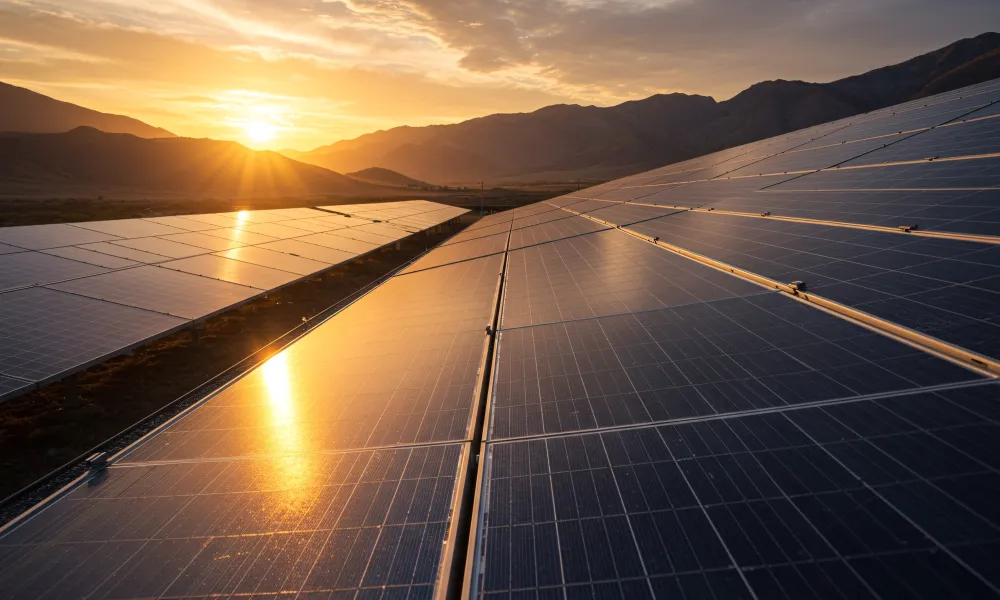
Kyriakos Tafoumas, president of the EAC union EPOPAH-OHO-SEK, said the unions had presented their positions on costs and how the state could contribute to bringing them down through the right decisions. He said the unions' core demands are the implementation of investments at the Dhekelia power station to secure supply adequacy, and state involvement to allow the EAC to develop its own photovoltaic parks and create a cheaper production mix for the benefit of consumers.
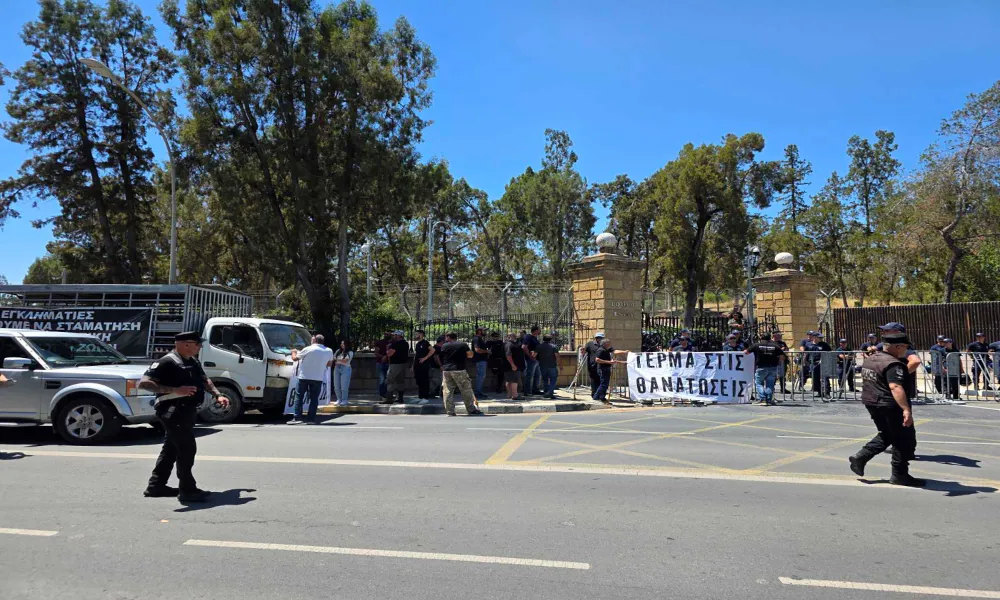
On the question of whether industrial action would continue, Tafoumas said no decision had yet been taken on the next steps, but that further escalation was certain if solutions were not forthcoming. "We have given some time for those who need to act to do so and find the right solutions for the EAC and for the country," he said. "The measures started and solutions must be given. That is when the timeline ends."
He described the recent 24-hour strike as part of an escalation process, and said the unions did not receive substantive answers when the Energy Minister recently visited the EAC.
Desalination proposals
Tafoumas also raised the EAC's longstanding proposals on water, saying the authority has been recommending large desalination units at Vasiliko and Moni since 2018, with the proposals resubmitted in 2020 and again recently due to the water shortage. He said government suggestions that the EAC operate temporary mobile units in the interim would drive up the cost of produced water and were "certainly not in the right direction." The EAC's proposals call for a new 60,000-tonne unit at Moni and the expansion of the existing Vasiliko unit by a further 40,000 tonnes.
On the question of the cost of connecting the Trozena development to the electricity grid, a matter raised in a report by the newspaper Fileleftheros, Petrou said he was not informed about the specifics, adding that any cost-sharing arrangement between the community and the investor was a matter for the Arsos-Trozena community and the investor, not for the EAC. "The EAC will charge what it charges and will require those amounts," he said.
Source: CNA