


Delays of up to two years in processing applications for social benefits, as well as serious problems with detention conditions at the Central Prisons, were highlighted by Ombudswoman Maria Stylianou-Lottides as she presented her office’s 2024 annual report to the House Ethics Committee on Wednesday.
Lottides said the Deputy Ministry of Social Welfare had longstanding problems with processing applications. Citizens in immediate need of financial support, she said, cannot be expected to wait one or two years for their requests to be examined. Citing applications for the Guaranteed Minimum Income (GMI), she noted that significant delays persisted despite measures taken. She also pointed to the absence of meaningful hierarchical reviews of rejected applications, which are reconsidered by the same services.
Delays in serving citizens occur across the public service, the Commissioner said, but carry particular weight when they concern social welfare and people with immediate needs. Despite the benefits of digitalisation and artificial intelligence, she added, addressing human problems also requires human intervention. Her office often takes individualised action to resolve complaints.
'Inhuman, degrading treatment'
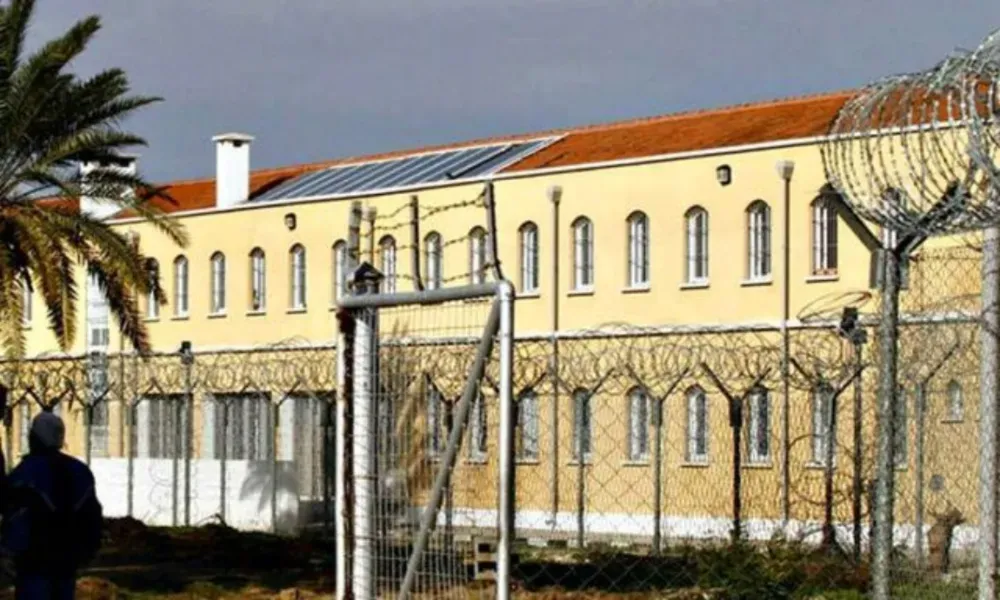
Lottides described overcrowding at the Central Prisons as a longstanding problem that worsens inmates’ living conditions and increases the risk of inhuman or degrading treatment. She said there were cases of inmates having to sleep on the floor or use bottles to relieve themselves at night because of inadequate sanitation facilities.
The construction of a new prison is one possible solution, she said, while alternative detention measures could also be used where permitted, including electronic monitoring. Members of her office visit the prisons approximately every two weeks and examine complaints concerning healthcare, food, living conditions and the treatment of inmates. Staff intervene directly to resolve problems where possible.
As for police holding cells, she said conditions were particularly problematic in several cases, with some facilities lacking adequate outdoor exercise areas. She specifically referred to the holding cells in Lakatamia and Limassol, noting infrastructure deficiencies. She also clarified that foreign nationals in the Central Prisons are being held for criminal offences, not simply because they have lost their right to reside in the country. This differs from cases of people held pending deportation.
Thousands of cases
According to the annual report, a total of 4,655 complaints and investigations were pending for handling in 2024: 2,507 were submitted during the year, 2,127 had carried over from previous years, and in 21 cases complainants returned to matters that had already been dealt with.
The examination of 2,709 cases was completed during the year. Of these, 140 concerned reports and own-initiative investigations, including seven reports by the National Preventive Mechanism, while 24 concerned reports by the Forced Return Monitoring Mechanism. In a further 1,783 cases, disputes were resolved through intervention, guidance, assistance or other action without a report being issued. A total of 762 complaints were found to fall outside the Commissioner’s remit.
Compliance in cases resolved through intervention without a report was approximately 91%. For reports and own-initiative investigations, the rate was approximately 55%, while compliance was in progress in a further 21% of cases. The largest share of complaints, 21.1%, concerned the entry, stay and rights of foreign nationals. Land development accounted for 13.1%, social benefits 10.9%, human rights and police matters 10.1%, and employment relations 8.6%.
In its capacity as the Equality and Anti-Discrimination Body, the office recorded, among other matters, 50 complaints of bullying, 25 of discrimination on grounds of disability, 11 of gender discrimination and 10 of sexual harassment. Lottides said complaints had increased over the past eight years, which may be linked both to greater awareness of the institution and to an increase in the problems faced by citizens.
On public services’ compliance with her recommendations, she referred in particular to community leaders who do not implement the office’s suggestions, saying some act “like a state within a state”. Longstanding problems also continued in relation to the Department of Lands and Surveys, she added. The expansion of the office’s responsibilities, especially in fundamental rights and migration procedures, was also creating additional staffing needs.
MPs’ remarks
House Ethics Committee Chair and DISY MP Dimitris Dimitriou raised structural weaknesses in some public services and asked the Commissioner to outline the main problems identified through citizens’ complaints. After the meeting, the committee’s deputy chair, DISY MP Michalis Fellas, said the increase in complaints recorded in the 2024 report highlighted the Commissioner’s important role in defending citizens’ rights and overseeing public administration. He said the office had completed 2,709 cases and referred to the high compliance rates of public services with the Commissioner’s recommendations and interventions. Focusing on the Deputy Ministry of Social Welfare, he said the regular submission of complaints showed the need for substantive action, faster service and a more effective response to beneficiaries’ needs. “The Commissioner’s recommendations must be used as a tool to improve state services, for the benefit of citizens and the rule of law,” he said, adding that accountability, transparency and good administration remained goals to be pursued.
DISY MP Nicoletta Constantinou asked what happens when public services continue to display the same instances of maladministration despite the Commissioner’s reports and interventions. AKEL MP Konstantinos Constantinou sought clarification on the causes of delays, raising inadequate coordination between services, non-integrated computer systems and administrative weaknesses as possible factors. He also asked whether citizens were informed about the option of emergency assistance under Article 11 of the GMI legislation.
AKEL MP Panikkos Xiourouppas referred to the difficulties faced by benefit recipients when their employment is temporarily interrupted, citing the case of a worker with a visual impairment. He said eligibility should not have to be reassessed from the beginning in such cases and asked about the office’s objectives for 2027. AKEL MP Anastasia Hasikou requested comparisons with previous years to establish whether the issues recorded in the Commissioner’s reports were increasing, decreasing or recurring.
ALMA MP Eirini Charalambidou praised the Commissioner’s work and raised the question of whether her decisions should be binding on the executive, expressing an intention to promote a relevant bill. She referred to overcrowding and what she described as unacceptable detention conditions at the Central Prisons, stressing the need for new facilities. Speaking after the meeting, she said complaints to the Commissioner were constantly increasing and suggested that citizens’ difficult living conditions also contributed. “The disadvantage is that the Commissioner for Administration’s decisions are not binding on the executive,” she said, adding that the reports could nevertheless be used in court to substantiate cases. Lengthy delays in the adjudication of cases, she noted, could reduce the practical value of a favourable report, since “even a favourable report by the Commissioner for Administration can be a gift in vain”. She also supported increasing the office’s staffing to meet rising needs and prevent delays.
Direct Democracy Cyprus MP Diana Constantinidou raised the connection between prison overcrowding and incidents of torture, asking whether reducing the number of inmates could help limit such incidents.
Source: CNA