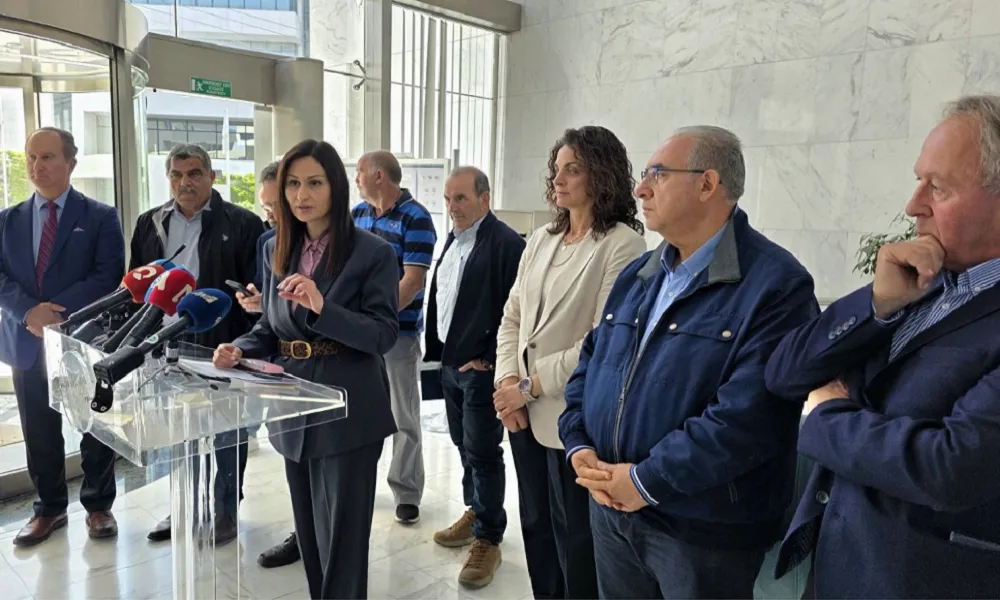

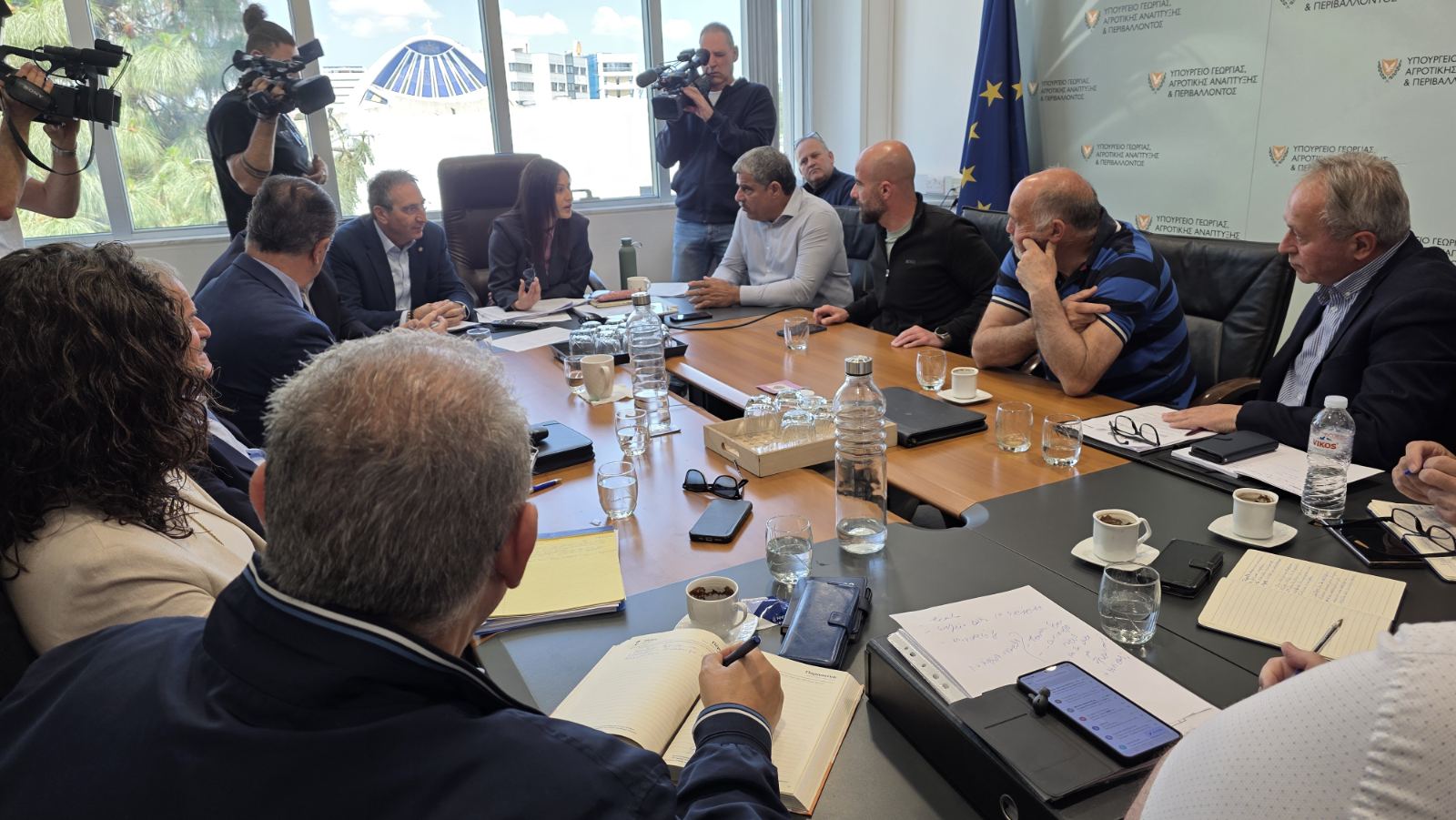
The government has agreed a €35.6 million compensation and recovery package for livestock farmers affected by the foot-and-mouth disease outbreak, with payments beginning as early as next week, Agriculture Minister Maria Panayiotou announced on Wednesday following a meeting of the Special Advisory Committee on foot-and-mouth disease.
The package includes significantly increased compensation rates for culled animals, income loss coverage for at least 12 months for farmers who choose to restock, a herd rebuilding scheme based on high-genetic-value animals, and the assignment of a dedicated state official to guide each affected farmer through the recovery process. Advance payments for income loss, milk and animal feed have already been in place since the end of March.
Compensation rates revised sharply upward
The initial compensation rates proposed by the government's three-member committee were judged too low relative to market conditions and the actual needs of farming units. Following submissions from farmers and agricultural organisations, the methodology and compensation levels were substantially revised. For sheep and goats, rates have increased from a range of €43 to €178 per animal, to between €47 and €420 for animals of high genetic value. For cattle, rates have risen from a range of €150 to €1,500, to up to €2,500 depending on category and productivity.
Panayiotou noted that European reference rates are considerably lower, standing at €1,000 for cattle and €140 for sheep and goats. "The Republic of Cyprus is consciously choosing to support farmers with compensation up to 150 to 200% higher than European levels, taking on significant additional cost to secure the future of Cypriot livestock farming," she said.
The full package
Beyond direct compensation for culled animals, the package covers income loss for a minimum of 12 months for farmers who opt to rebuild their herds, taking into account labour costs, fixed expenses, social insurance contributions and financial obligations. A herd rebuilding scheme will provide state aid for the acquisition of high-genetic-value animals, with the financial parameters to be based on the findings of a special scientific committee. Where the cost of restocking exceeds the compensation already received for culled animals, the state will subsidise the difference. The cost of feeding newly acquired animals during the period before they begin contributing to farm income will also be covered.
Halloumi exports under threat
The minister also signalled that additional measures are being considered to protect halloumi PDO status and ensure the continuity of exports, which have been affected by reduced milk availability caused by the outbreak. "Foot-and-mouth disease has significantly affected available milk quantities, creating pressures across the entire production chain," Panayiotou said, adding that the government was in continuous consultation with all parties involved.
Call to stand down from protests
Speaking on behalf of all agricultural organisations following the meeting, Michalis Lytras, honorary president of the Pancyprian Farmers Union (PEK), called on a group of farmers planning further mobilisations to stand down. "We should not proceed with any unnecessary protests, both to avoid hardship for ourselves and to avoid spreading the virus from infected to uninfected areas," he said. "We must not lose our livestock farming or our halloumi, which is one of the most serious sources of income that Cyprus derives from the livestock sector."
Panayiotou described the package as the product of close collaboration with agricultural organisations and farmer representatives. "These are their own proposals, documented, targeted and reflecting the real needs of the sector. That is why they were adopted," she said. "Dialogue is the only path to effective crisis management."