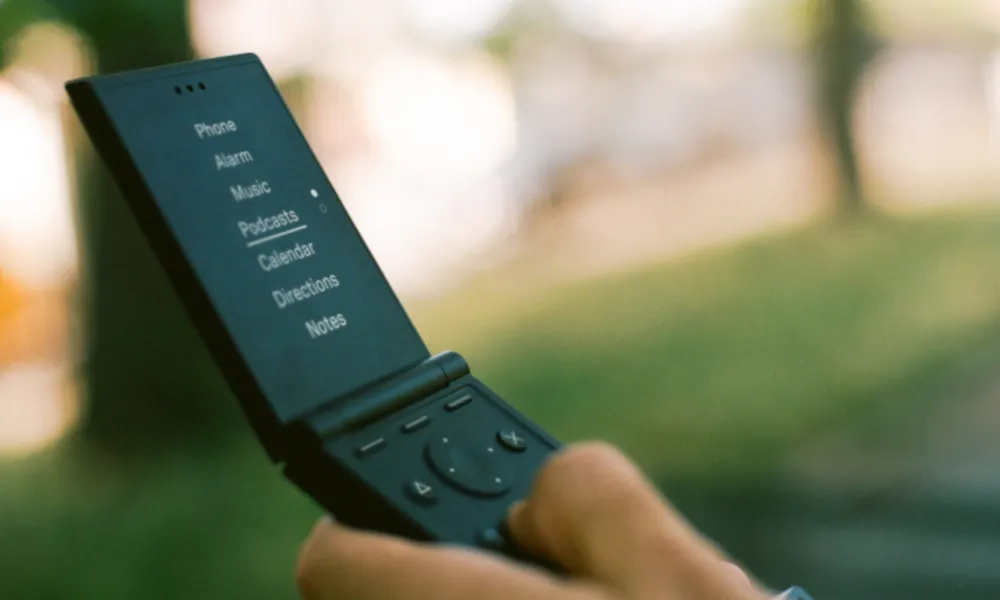

A wave of companies, from a scrappy Brooklyn startup to a resurrected 1980s computing brand, are betting that the smartphone has become too much phone. The result is a small but fast-growing market for devices that call, text and little else, aimed squarely at a generation that grew up with a smartphone in hand and, increasingly, wants to put it down.
A market moving faster than expected
Industry estimates vary, but the direction is consistent: analysts at Research and Markets project the global basic phone market will grow from around $39 billion in 2025 to nearly $50 billion by 2030. Nokia manufacturer HMD Global has said it sells tens of thousands of flip and feature phones every month in the US alone, with growth spread across age groups rather than confined to teenagers. Much of the visibility of the trend has come from social media itself, the very thing these phones are designed to help people avoid: HMD has pointed to the #bringbackflipphones hashtag on TikTok as a driver behind flip phone sales roughly doubling between 2022 and 2023.
Surveys of Gen Z paint a consistent picture of a generation uneasy with its own habits. Pew Research data shows nearly half of teenagers report being online almost constantly, and multiple industry surveys have found that a majority of Gen Z respondents describe themselves as addicted to their phones, even as they say they are actively trying to cut back. For a cohort that has never known life without a smartphone, the appeal of a device that simply cannot open Instagram has become, paradoxically, a selling point rather than a limitation.
Light Phone III and Light Flip: minimalism, refined
No company has done more to define this category than Light, the US start-up behind the Light Phone series. Its original 2017 device was a credit-card-sized phone that could only make calls. The Light Phone III, which began shipping in 2025, is a more capable evolution: a 3.92-inch AMOLED touchscreen that displays only in black and white, a 50-megapixel camera, fingerprint unlock, 5G connectivity and a physical scroll wheel, all built around Light's own operating system, LightOS. It deliberately excludes social media apps, a web browser and any way to install third-party software. It launched at $599, with the price later rising to $799.
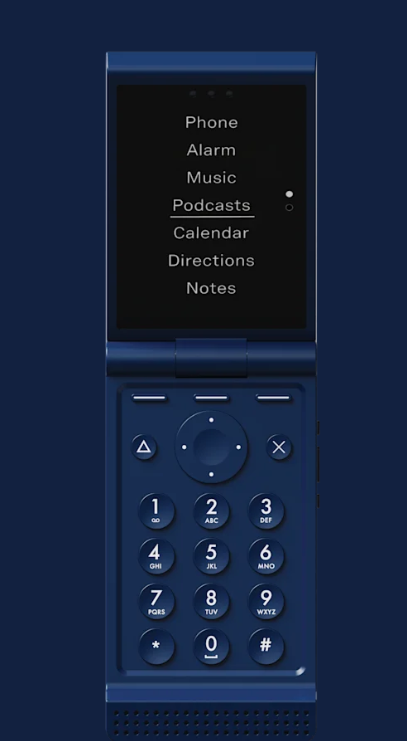
Earlier this year, Light went further with the Light Flip, a clamshell phone with a 2.8-inch non-touch display, a physical T9 keypad and no screen at all on the outside beyond a small notification light. Co-founders Joe Hollier and Kaiwei Tang have said the Flip is aimed less at older users nostalgic for their first mobile phone and more at 18- to 30-year-olds tired of being permanently online. Priced at $299 unlocked, or through a service plan starting at $39 a month, the Flip is intended to bring Light's minimalist philosophy to a lower price point than the touchscreen Light Phone III, and is expected to ship from April 2027.
Commodore's Callback: retro branding, modern ambitions
The most unexpected entrant is Commodore, the brand once synonymous with the Commodore 64, one of the best-selling home computers of all time. Revived under new leadership in 2025, with advisers including Leonard Tramiel, son of Commodore founder Jack Tramiel, the company announced the Callback 8020 in June 2026, a flip phone with no social media, no email and no web browser, but with 5G connectivity, a Sailfish-based operating system, FM radio and a physically disabled touchscreen designed to slow down casual use.
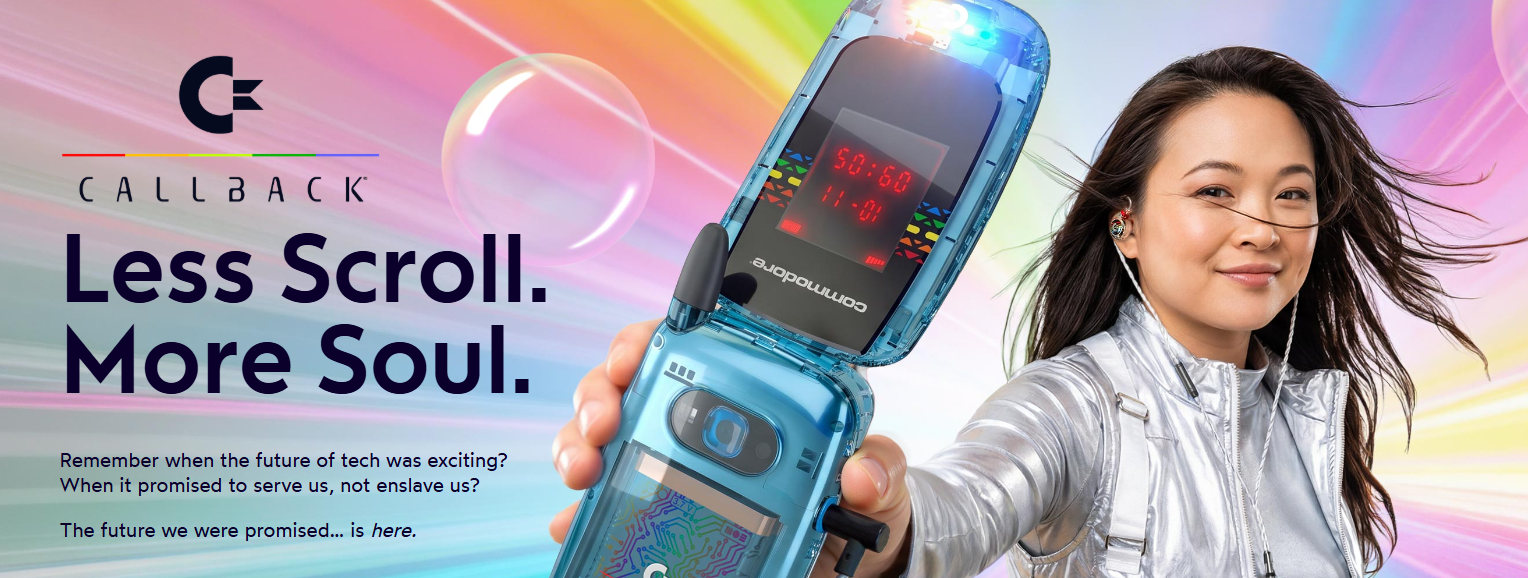
Commodore's chief executive, Peri Fractic, has framed the device in personal terms, saying he switched to a simpler phone after becoming a parent and found the minimalist options already on the market "too minimal." The Callback launched at $499 to some scepticism online, with Commodore later cutting the starting price of four of its five colour variants to $399 ahead of pre-orders. A gold-plated "Founders Edition" costs $640. Deliveries are expected in the final quarter of 2026.
Why now?
The renewed appetite for simpler phones is tangled up with a broader cultural mood: rising concern about social media's effect on mental health, a wave of school phone bans across dozens of US states, and growing use of lockable phone pouches in classrooms. Companies making these devices are explicit that they see themselves as part of that same shift. Commodore has described its device as "a speed bump for the mind," while Light frames its products around what it calls "going light," the idea that fewer features, not more, can restore a more intentional relationship with technology.
Whether any of this adds up to flip phones genuinely displacing smartphones, rather than existing alongside them as a deliberate second device, remains an open question. For now, most buyers appear to be keeping their smartphone in a drawer rather than throwing it away, reaching for a dumbphone on a night out or a weekend, and picking the smartphone back up on Monday. But for a growing number of companies, betting that people are tired of their phones has become a business model in itself.