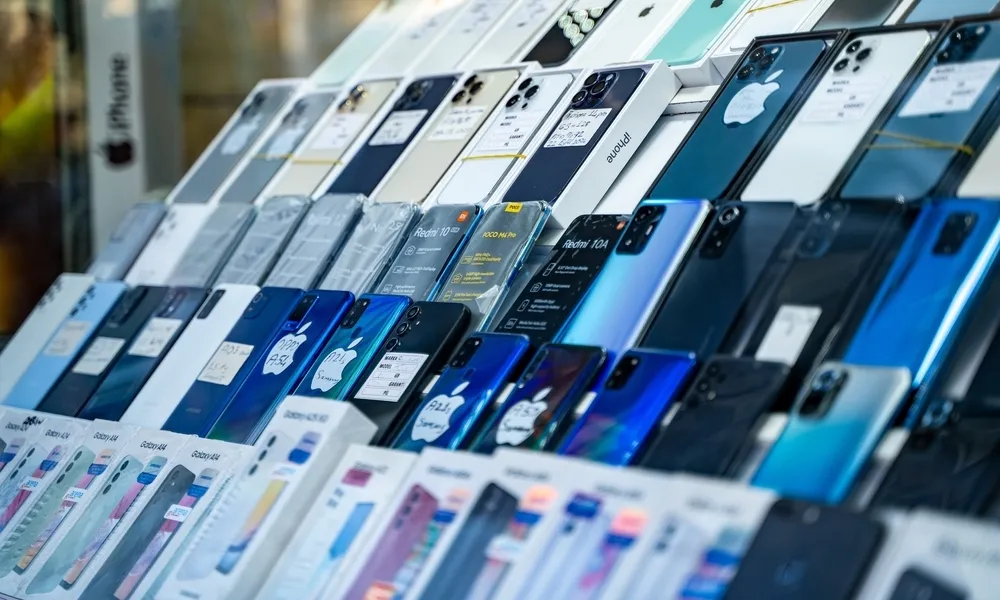

With consumer electronics prices climbing due to industry-wide shortages of memory components, refurbished devices are becoming an increasingly attractive option for buyers, according to the New York Times's lead consumer technology writer, Brian X. Chen.
Chen described buying a refurbished MacBook Air with an M4 chip directly from Apple, saving around $240 on the retail price, shortly after the company began taking orders for the newer M5 model. When the refurbished laptop arrived, he wrote, it came in Apple's standard packaging, with the screen still covered in protective plastic and the usual charger and cable included. Comparing it side by side with a brand-new model sent to him separately for work, he found the two indistinguishable, suggesting the refurbished unit was either an unused return or unsold new stock. According to the Times, Apple says its refurbished products go through a thorough refurbishment process intended to meet the same quality standards customers expect from new devices.
The secondhand electronics market is growing rapidly, with one industry estimate cited by the paper putting its value at around $153 billion this year. As memory shortages continue to push up prices for items such as games consoles, smartphones and computers, the Times suggested used devices are likely to become more appealing to budget-conscious buyers.
Chen, who said he largely stopped buying new electronics some years ago after concluding the savings outweighed the drawbacks, set out several lessons from his own experience of buying used Macs, iPads and a high-end iPhone.
Inspect the item thoroughly
When looking to replace an old iMac, Chen turned to Facebook Marketplace, where individual sellers were offering Mac Minis for around half the retail price. He arranged to meet a seller in person in San Francisco, who brought a display, keyboard and mouse to demonstrate the computer was working, walked him through the setup process to show it wasn't locked to a previous account, and let him test the apps, speakers and power button. The computer, he said, has worked reliably ever since.
Avoid buying certain items secondhand
Not every purchase went as smoothly. A pair of refurbished AirPods bought on Amazon for $80, listed as "like new," turned out to still be linked to the previous owner's account, meaning the "Find My" feature didn't work properly. Amazon issued a partial refund once the issue was raised. Chen said the experience taught him that a good price can sometimes lead to a poor decision, and that earbuds, given they're worn on the body, are not a product worth buying used.
Nathan Proctor, a director at the consumer advocacy group US PIRG, told the Times that other products best avoided secondhand include television screens, which are bulky and fragile, printers, which wear down over time, and smartwatches, whose bands can deteriorate from a previous owner's use.
Choose the seller carefully
For higher-priced items such as tablets and smartphones, Chen said he prefers buying from larger retailers that offer generous return policies. When the iPhone 17 launched, he bought a refurbished iPhone 16 Pro on Amazon for $800, a $300 discount, but found a scratch across the screen on arrival. Amazon sent a replacement the next day, which he described as flawless, with a battery history showing it had been charged only once, suggesting it was a barely used store return.
According to US PIRG's guide to buying used electronics, cited by the Times, resellers including Back Market and VIP Outlet also have good return policies. The safest option, the paper noted, remains buying refurbished products directly from the manufacturer, as Chen did with the MacBook Air from Apple's own refurbished store.
Check how long the device will last
To get the best value from a used device, Chen said buyers should consider how much longer it will be supported. Apple, Samsung and Google typically provide software updates for phones for up to seven years, so as a rule of thumb, buyers should look for devices no more than two years old, guaranteeing at least five years of remaining support.
On repairability, the Times noted that France now requires companies to publish repairability scores based on how easily a device can be taken apart and repaired, with the iPhone 16 Pro scoring 8.1 out of 10. Similar ratings are also published by third-party sites such as iFixit. For those who don't want to check these scores, Kyle Wiens, chief executive of iFixit, told the paper that simply searching online for the cost and process of replacing a device's battery before buying can be a useful shortcut. "That steers me toward one product or another, which can reduce some of the stress with buying something used," he said.
Source: The New York Times