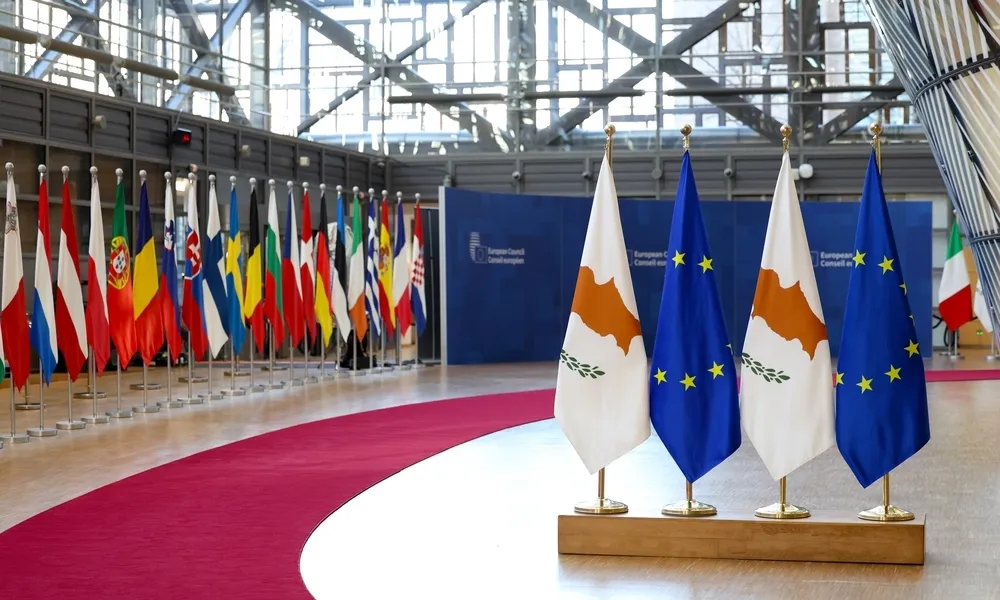

Cyprus is expected to rebuff pressure from wealthier northern EU member states to slash the bloc’s next seven‑year budget, as it prepares to present new figures ahead of a key leaders’ summit, POLITICO reported on Monday.
According to the report, Nicosia, which currently holds the rotating presidency of the Council of the EU, is set to reject demands led by Germany to cut agricultural subsidies and payments to poorer regions in the EU’s 2028-2034 budget framework.
Four EU diplomats told POLITICO that Cyprus is resisting calls from so‑called frugal countries, including Germany and the Netherlands, which argue they cannot afford higher contributions to the EU budget amid weak growth and strained national finances.
Cypriot diplomats have concluded weeks of bilateral consultations with EU ambassadors and are finalising the so‑called “negobox” – a negotiating document containing concrete spending figures and allocations – which is expected to be unveiled by June 10.
If Cyprus maintains its stance, the move would be welcomed by southern and eastern EU countries, which are pushing back against cuts to farm subsidies and regional cohesion funds. These two budget headings account for nearly half of total EU spending and are paid directly to national governments.
An opposing group of 16 member states – including Italy, Spain and Poland – is demanding increased funding for farmers, fishermen and less‑developed regions, POLITICO reported.
The disagreement is expected to dominate discussions at an EU summit on June 18 and 19, where leaders will assess Cyprus’ negotiating proposal.
Cyprus’ Deputy Minister for European Affairs Marilena Raouna told reporters last week that she saw “landing zones” on the most sensitive issues, without providing further details.
As EU Council President, Cyprus is tasked with adjusting the European Commission’s proposal, which foresees €1.8 trillion in spending between 2028 and 2034. Including repayments on pandemic‑era borrowing, total EU expenditure would approach €2 trillion, or 1.26% of the bloc’s combined gross national income – up from 1.1% under the current budget.
POLITICO noted that the Commission’s proposal shifts resources away from traditional policies such as agriculture and regional funding towards defence and competitiveness, prompting criticism from countries that benefit most from cohesion spending.
The report added that Cyprus has signalled it may propose limited cuts of around 2% to 3% to the European Competitiveness Fund and the Global Europe Fund, together worth more than €600 billion. This has drawn objections from frugal states, which favour deeper reductions to agricultural and regional funding.
“Cuts cannot fall disproportionately on headings 2 [competitiveness] and 3 [Global Europe Fund] alone,” one EU diplomat told POLITICO, adding: “If we all agree with Mr. Draghi that Europe has a competitiveness challenge, the next MFF (Multi-annual Financial Framework) should help close that gap, not deepen it.”
A spokesperson for the Cyprus embassy did not respond to POLITICO’s request for comment.
Source: POLITICO